
Vandaag of morgen in huis

Kwaliteit gegarandeerd

Welkomstaanbiedingen ontgrendelen: GRATIS bezorging | Tot 80% korting | Gratis 30 dagen JoyPlus-proefperiode
Download de app
Buying a coat seems simple, until you have to choose between a waterproof coat, an outdoor jacket, a winter coat, a raincoat or a parka. Marketing copy often emphasises terms such as ‘all-weather’ and ‘waterproof’, but important details like seams, lining, fit and care instructions are sometimes less clearly explained.
In the Netherlands, changeable weather, strong winds and regular cycling or walking are key considerations. Use these checks to avoid a disappointing purchase and compare men’s and women’s coats based on practical features.
A coat with a water-repellent coating may cause light rain to bead off for a while. That doesn’t automatically mean it’s suitable for prolonged or heavy rain. Check whether the product information mentions waterproof fabric, taped or sealed seams and an adjustable hood.
For a raincoat or walking jacket, these details matter more than the word ‘waterproof’ in the title alone. Some brands also state in their product descriptions that a DWR finish may need to be reactivated or maintained to preserve its water-repellent performance.
A padded coat or parka generally keeps you warm, but can become too hot when walking or cycling. A lightweight windproof jacket offers more freedom of movement, but may not provide enough insulation for cold winter days.
So think about how you’ll use it:
A size M can fit differently from one brand or style to another. Check the chest, waist, hip and sleeve measurements in the size guide. Remember to allow room for layers, too. If you want to wear a fleece or thick jumper underneath, you may need extra space.
For women’s coats, also consider how the chest measurement relates to the coat length. For men’s coats, shoulder width and sleeve length often make the biggest difference to comfort. A non-adjustable hood may be less practical in windy weather.
Look for specific information about the material and construction. A coat made from polyester, polyamide or nylon can have different properties depending on its coating and how its layers are constructed. A windproof jacket often has a densely woven outer layer, while a technical waterproof jacket usually consists of several layers.
Also check:
The North Face product descriptions for various styles mention DryVent fabric, sealed seams and a DWR finish. These are verifiable product specifications, although performance in practice may depend on use, care and weather conditions.
A winter coat with polyester filling is a practical choice for everyday wear. A down coat or one with a thicker layer of insulation may offer more warmth, but needs extra care when it comes to maintenance and moisture.
According to its product information, the Urban Classics Basic Puffer Jacket has a polyamide outer layer, polyester filling and a polyester lining. US Polo Assn. coats also feature polyester, along with an adjustable hood, elasticated cuffs and pockets. These details tell you about the construction, but don’t automatically indicate exactly how warm every wearer will find them.
A coat should give you enough room around the shoulders and arms without feeling unnecessarily loose. Check the fastening, pocket layout and adjustable features before ordering. Look at the care label, too. Some styles can only be hand-washed, while others can be machine-washed at a low temperature.
A coat with a DWR coating or technical membrane may have specific care instructions. Don’t use fabric softener if the manufacturer advises against it, and don’t tumble-dry the coat if the label says not to.
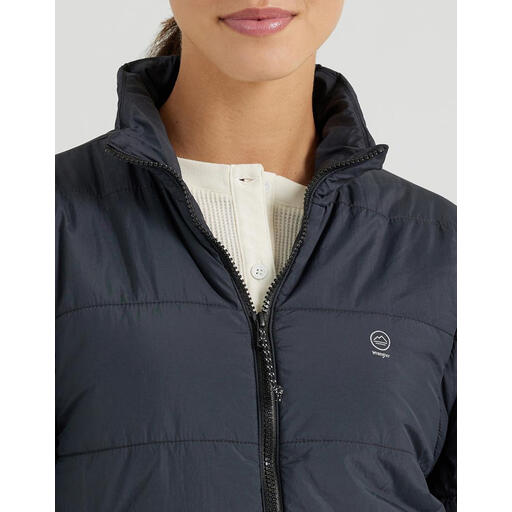
Why it suits this profile: A versatile coat for everyday wear, light outdoor activities and layering across different seasons. The hood and long sleeves are practical in changeable weather.
The product information mentions protection from wind and light rain, without presenting the coat as a fully-fledged raincoat. That makes its limitations clearer.
Polyester outer fabric and lining, a hood, long sleeves and a neutral style that’s easy to wear with everyday outfits.

Why it suits this profile: Designed for walking in changeable conditions. According to the product description, this women’s jacket has an adjustable hood, mesh lining and several adjustable features.
The listed features go beyond a water-repellent outer layer: the description mentions sealed seams, windproof fabric and an adjustable hem.
100% polyester DryVent fabric according to the product information, mesh lining, adjustable hood and zipped pockets.
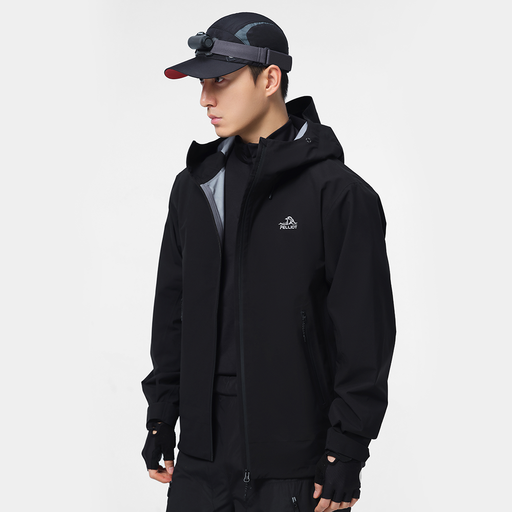
Why it suits this profile: A unisex hardshell for trekking, camping, travelling and commuting when protection from rain and wind is a priority.
The specifications include measurements in centimetres and recommend sizing up if you plan to wear thick layers underneath. That’s more helpful than relying on S, M or L alone.
According to the product description: waterproof and wind-resistant construction, breathable lining and hard-wearing fabric.
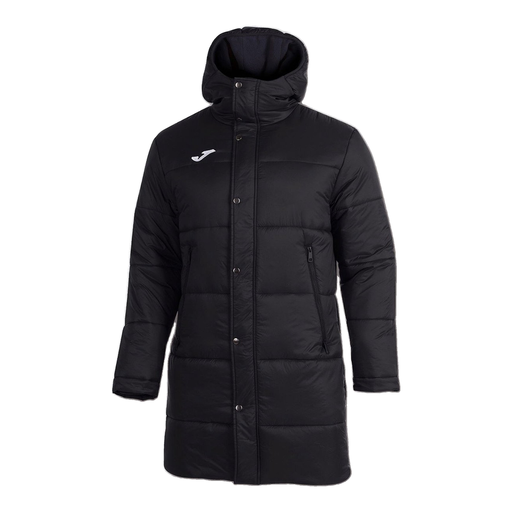
Why it suits this profile: A good choice if you’re looking for a longer men’s coat for cold days in the city, outdoor activities and everyday wear.
The product information specifically mentions the fleece lining, adjustable hood and cuffs. That gives you a clearer idea than a general claim about winter comfort.
Insulated construction, fleece lining, multiple pockets and, according to the product details, a waterproof outer layer.
We’ve put together a complete, up-to-date list of products that meet these strict selection criteria and the applicable European safety regulations.
For regular rain, a raincoat or waterproof outdoor jacket makes more sense than an ordinary windbreaker. Check whether the description mentions waterproof fabric, protected seams and an adjustable hood. For prolonged downpours, the quality of the zips and how well the hem is covered are also important.
A winter coat is a broad category of insulated coats. A parka is usually longer, giving you extra coverage around the hips and upper legs. However, warmth depends on the filling, lining, fit and how well the coat closes around the wrists and neck. So compare the material specifications rather than relying on the product name alone.
Its lifespan depends on how often you wear it, friction, washing and care. Always follow the care label, fasten the zips before washing and use suitable products for technical fabrics. Over time, pay particular attention to the seams, cuffs, zips and water-repellent finish.
