
Vandaag of morgen in huis

Kwaliteit gegarandeerd

Welkomstaanbiedingen ontgrendelen: GRATIS bezorging | Tot 80% korting | Gratis 30 dagen JoyPlus-proefperiode
Download de app
A coat can look warm and waterproof in product photos, yet disappoint in practice. When shopping for men’s winter coats, many buyers focus mainly on colour, brand and price. It’s often the less obvious details that determine whether a coat is right for a Dutch winter, a cycle to work or a walk in the rain.
Look out for these three common pitfalls:
For commuting in the Netherlands, a waterproof men’s coat isn’t automatically the only right choice. Check the hood, cuffs, hem and zip, too. These details affect how much rain and cold air can get in.
A water-repellent outer layer helps in light rain, but it’s not the same as a coat whose product information specifies a waterproof construction. For example, the Joma Iceland III is described in its product specifications as “waterproof” and “windproof”. The general description also mentions a water-repellent outer layer. Always check the latest product specifications and care label.
A windproof men’s coat with an adjustable hood and cuffs is particularly practical for cycling, walking along the coast and heading out in strong winds.
A warm men’s coat may have synthetic insulation, down or a fleece lining. Synthetic filling is generally practical for everyday wear and easy to care for. A fleece lining feels soft and can add comfort, but it doesn’t tell you on its own how well the coat keeps out the cold.
A men’s puffer jacket with polyester filling is often suitable for city wear and short journeys. For longer walks, a combination of insulation and ventilation is more important. A men’s fleece-lined coat can be a comfortable choice if you regularly move between indoors and outdoors.
Ideally, measure your chest while wearing a thin shirt and compare the measurement with the product’s size guide. Also check for:
With a men’s 3-in-1 coat, it’s especially important to check the measurements of both the outer and inner jackets. For example, PELLIOT models list separate measurements for the outer and inner jackets. This makes it easier to work out how much room you’ll have when wearing both layers together.
The choices below are based on the materials, features, sizing information and product descriptions provided. Brand performance claims are not presented as independently verified results. Where relevant, the information is based on the product description supplied by the brand or retailer.
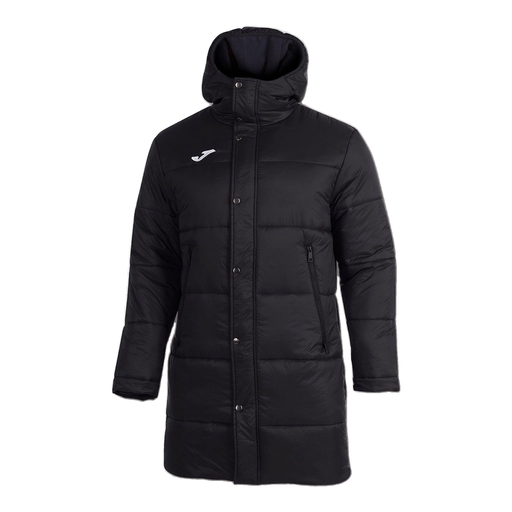
Why it suits this profile: This black parka has an insulated construction, an adjustable hood and cuffs, and multiple pockets. It’s a good fit for everyday city wear, commuting and short outdoor activities.
The listing specifies both wind resistance and water resistance, and mentions adjustable features. Check the exact product information and care label for your size.
Polyamide outer material, synthetic insulation, hood, cuffs and multiple pockets.

Why it suits this profile: This Triclimate 3-in-1 system is designed for changeable conditions. According to the product description, you can wear the outer layer and insulated inner jacket separately or together.
The separate layers mean you don’t need a different coat for every type of weather. Check the sizing and care instructions for the water-repellent outer layer before buying.
GORE-TEX outer material according to the product information, 550 fill power down insulation, taped seams, and an adjustable hood and hem.
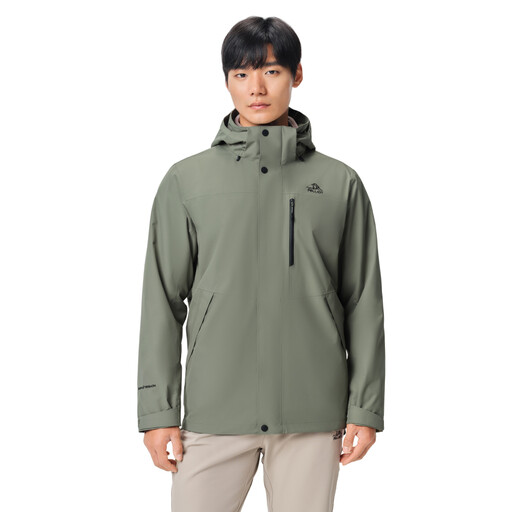
Why it suits this profile: This men’s outdoor jacket is designed for camping, trekking and travel. The retailer specifies a 3-in-1 design with a fleece-like inner layer and an adjustable hood, hem and cuffs.
The stated 35,900 mm hydrostatic head, breathability of 16,000 g/m²/24 hours and abrasion resistance of more than 40,000 rub cycles give you specific points for comparison. These are retailer claims, so check the conditions and certification.
Layers that can be worn separately, sizes from S to XXXL, and an outer layer described as suitable for heavy rain.
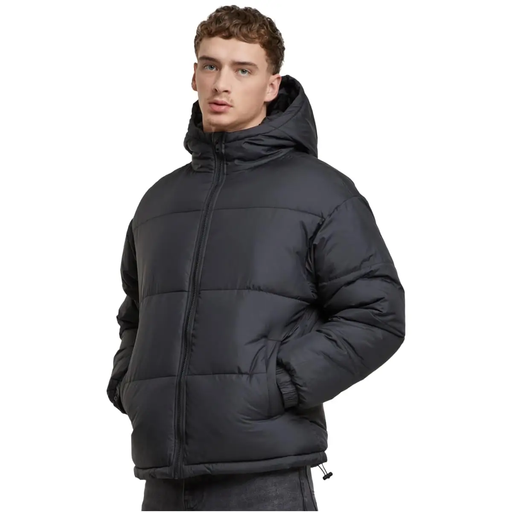
Why it suits this profile: This men’s puffer jacket is designed for cold days in the city. The hood, polyester filling and polyamide outer layer make it a practical choice for everyday wear.
The product specifications list the materials used for the outer layer, filling and lining. This makes it easier to compare the jacket with a parka or a men’s fleece-lined coat.
100% polyamide outer material, polyester filling, a hood and machine washable according to the stated care instructions.
We’ve put together a complete, up-to-date list of products that meet these strict selection criteria and the applicable European safety regulations.
A coat’s lifespan depends not only on the material, but also on how you wear and care for it. Always follow the label inside the coat. Many models can be machine washed at a low temperature, but shouldn’t be tumble dried. Fasten zips and hook-and-loop fastenings before washing, and use a mild detergent.
If your coat has a water-repellent coating, keep an eye on changes to the surface. If rain no longer beads on the fabric, you may need to reproof it according to the care instructions. Don’t use bleach, and avoid dry cleaning if the manufacturer advises against it.
Choose a model with an adjustable hood, a windproof fastening, a longer back and close-fitting cuffs. Ventilation is also important if you cycle regularly. A 3-in-1 coat can be useful when you want to adjust the insulation to suit the temperature.
Not necessarily. Warmth depends on the amount and type of insulation, the lining, the length and how well the coat keeps out the wind. A parka often provides more coverage around the hips and thighs, while a puffer jacket can be light and compact.
Measure your chest and compare it with the size guide for the specific model. Allow room for a jumper or fleece. Also check the shoulder width and sleeve length, as sizing can vary between brands and models.
