
Vandaag of morgen in huis

Kwaliteit gegarandeerd

Welkomstaanbiedingen ontgrendelen: GRATIS bezorging | Tot 80% korting | Gratis 30 dagen JoyPlus-proefperiode
Download de app
Wet paths, loose stones and long distances demand more from a boot than just a sturdy appearance. If you're looking for men's waterproof walking boots, there's more to consider than a well-known brand or a rugged outsole. The right choice depends on the terrain, fit, ankle support and protection from rain and mud.
Not every outdoor boot with a high-cut design is waterproof. Check whether the product description names a specific membrane, such as GORE-TEX, and pay attention to the construction around the tongue and seams. A water-repellent upper may keep out light rain for a while, but that isn't the same as a waterproof construction.
A deep tread may look suitable for mountain paths, but grip also depends on the rubber, the shape of the lugs and the surface underfoot. On Dutch woodland paths and hilly routes, mud, wet leaves and roots are often more important than a prominent tread alone. So check whether the outsole is described specifically, for example as Contagrip or Vibram.
Men's high-cut walking boots generally offer more coverage around the ankle than low-cut trail shoes. That doesn't automatically mean every high-cut boot will be more comfortable. A stiff collar can feel reassuring on uneven ground, but less flexible on everyday walks. Fit and freedom of movement still matter.
For walks in rainy weather, a membrane is worth considering. According to the product description, the Salomon X Ultra 4 Mid GTX uses a GORE-TEX membrane for water protection and has a textile lining. GORE-TEX is a registered trade mark; always assess how well a boot performs by checking the specific product information, fastening and condition of the boot.
Pay attention to fit, too. A boot that's too tight may leave less room for a walking sock, while one that's too loose can slip. This increases the chance of pressure points on long walks.
For walking boots for rugged terrain, two features are worth considering:
According to the product information, the Salomon X Ultra 4 Mid GTX has a Contagrip MA outsole for wet and dry surfaces. The PELLIOT models below list a Vibram outsole on certain versions. Check the selected size and product page to make sure the listed version matches your choice.
An EVA foam midsole is often used to help absorb impact while walking. The Salomon features EnergyCell EVA. This may appeal if you're looking for comfortable walking boots for long walks, but how it feels is personal and depends on your body weight, fit and walking style.
Choose a mid-cut model if you're looking for extra coverage and support around the ankle. For flat city walks, a lower, more flexible model may be more practical. For mountain treks, uneven woodland paths or carrying a heavy rucksack, men's mountain boots with a higher cut may offer more stability.
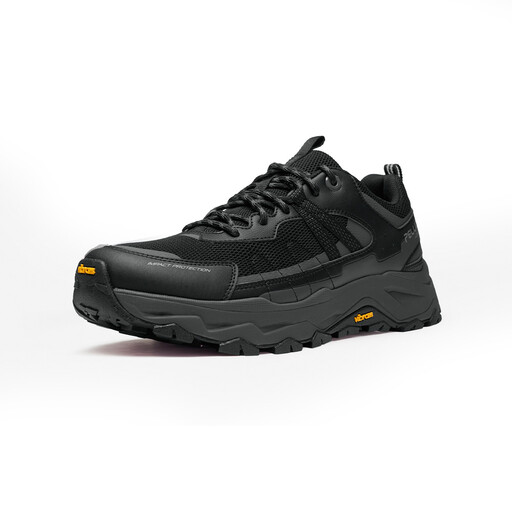
Why it suits this type of walker: A straightforward option if you want to try walking and light outdoor activities, and mainly want to check the right size and available product information first.
The product name and size are clearly displayed. Before buying, check the waterproofing, outsole and fit separately; these details aren't covered in depth in the description provided.
Black design; available in EU size 43; manufacturer and EU responsible person information is provided.
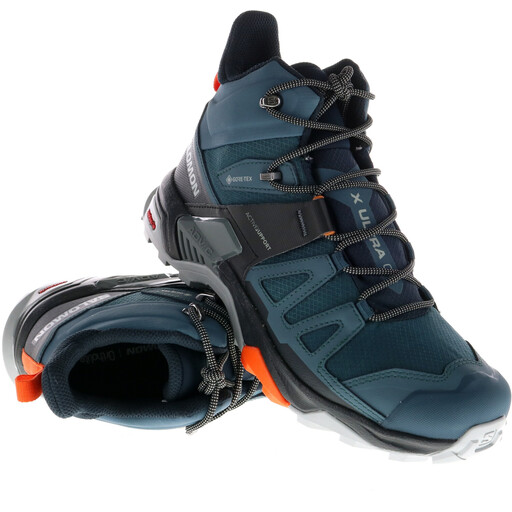
Why it suits this type of walker: Designed for walkers looking for a mid-cut model for changeable conditions, with a focus on water protection, cushioning and grip.
The product description explicitly mentions GORE-TEX, a mid-cut design and Contagrip MA, so you can check these key features in advance.
GORE-TEX membrane; Contagrip MA rubber outsole; EnergyCell EVA midsole; mid-cut collar.
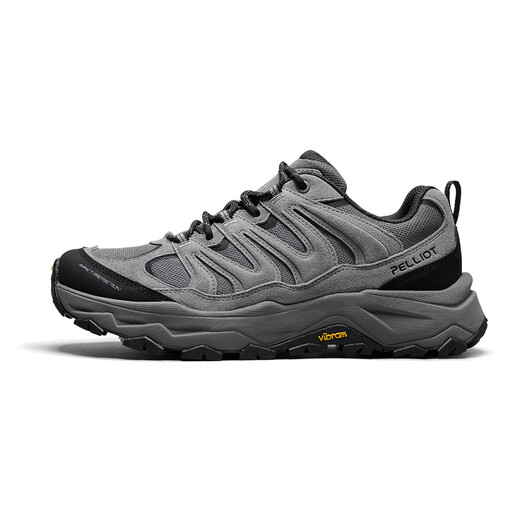
Why it suits this type of walker: The mention of a Vibram outsole makes this model relevant if you pay particular attention to outsole technology for walks and mountain treks.
The outsole technology is mentioned in the product name. Waterproofing and ankle support aren't confirmed in the available description, so you'll need to check these separately.
Vibram outsole according to the product name; dark grey design; intended for hiking and mountain climbing.
We've put together a complete, up-to-date list of products that meet these strict selection criteria and the applicable European safety regulations.
Measure your feet towards the end of the day, when they tend to be slightly larger. Wear the socks you plan to use on walks. Keep these points in mind:
Waterproof boots are only practical if the outer, seams and lining are properly cared for. Remove mud after use, let the boots dry at room temperature and don't place them directly on a radiator. Follow the manufacturer's instructions when using waterproofing products.
No. A high-cut design offers extra coverage around the ankle, but doesn't in itself indicate that a boot is waterproof. Look for a clearly named membrane or an explicit waterproof rating in the product information.
They can be, if the fit, cushioning and outsole suit your feet and the terrain. GORE-TEX refers to the membrane; it doesn't determine walking comfort on its own. Check the midsole, collar, ventilation and size, too.
Their lifespan depends on use, terrain, body weight, care and storage. Intensive walks on rocky ground wear down an outsole faster than use on paved paths. Replace your boots when the tread is badly worn, the sole starts to come away or the waterproof construction no longer works as it should.
