
Vandaag of morgen in huis

Kwaliteit gegarandeerd

Welkomstaanbiedingen ontgrendelen: GRATIS bezorging | Tot 80% korting | Gratis 30 dagen JoyPlus-proefperiode
Download de app
Men's walking trousers need to do more than just look outdoorsy. Whether you're walking in the hills, heading out on a rainy woodland trail or embarking on a longer trek, you'll soon notice if the fit is right. A waistband that's too tight, not enough room to move or fabric that soaks up rain can make a purchase impractical.
So don't focus only on colour or discounts. Below, you'll find the main pitfalls to avoid, the specifications to check and some PELLIOT options to suit different types of user.
Trousers may be marketed as outdoor trousers for men or men's hiking trousers, but give little information about the fabric, water repellency or fit. Without these details, it's difficult to judge whether they're suitable for everyday wear, a woodland walk or more demanding trekking.
Always check:
Water-repellent walking trousers may cause light drizzle to bead on the surface for a while. That doesn't automatically mean they'll keep out prolonged rain. Check whether the product information specifies a hydrostatic head rating, a membrane or a waterproof construction.
If it only says “water-repellent”, with no measurement, treat this as limited protection. In changeable British weather, you may want to take waterproof overtrousers with you.
An M or L can vary from one brand and style to another. For men's trekking trousers in particular, the proportions between the waist, hips and leg length matter. Trousers that fit well when you're standing may still feel restrictive when climbing or cycling.
Ideally, measure:
Compare these measurements with the size guide on the product page. Check the returns policy too before ordering multiple sizes.
Your knees and hips are constantly moving when you walk. Lightweight walking trousers with a straight or slightly relaxed fit can be comfortable on flat routes and for everyday wear. For climbing, scrambling or longer distances, stretch fabric is often more practical, as long as the fabric and composition are clearly stated.
Look for articulated knees, an adjustable waist and enough room in the crotch. These details often tell you more about practical comfort than a general term such as “performance”.
Lightweight synthetic fabric usually dries faster than heavy cotton. This can be useful for strenuous walks or changeable weather. Softshell walking trousers are generally a little thicker and can offer extra protection from the wind, but may feel less breathable in warm weather.
Look for:
A product claim should be understood in the context of the specifications provided by the brand. If no measurement is given, don't assume performance that can't be verified.
Zipped pockets can help stop your keys or phone falling out while you walk. Check that they're big enough for the things you carry, though. Black walking trousers tend to hide dirt better, while grey or khaki walking trousers have a lighter look and can work well for everyday wear.
The options below have been selected based on the available product names, style types and stated colour and size options. The product page is the definitive source for current fabric information, sizing and care instructions.
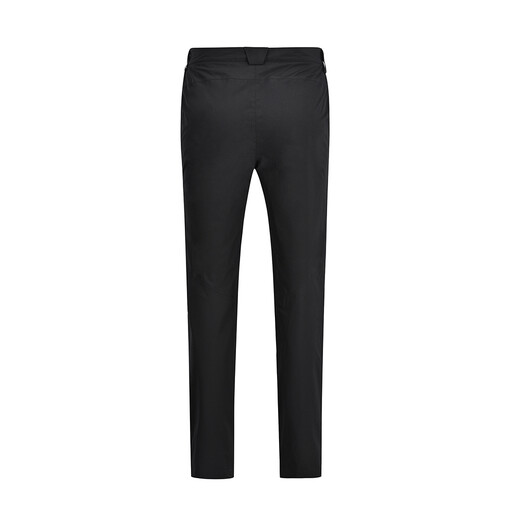
Why it suits this type of user: This single-layer style in black is a straightforward choice for short walks, everyday wear and anyone looking for a simple pair of men's outdoor trousers.
The product name makes it clear that these are single-layer walking trousers. Check the exact fabric and whether it has a water-repellent treatment before wearing them on wet walks.
Single-layer design; black; size M in this product variant.
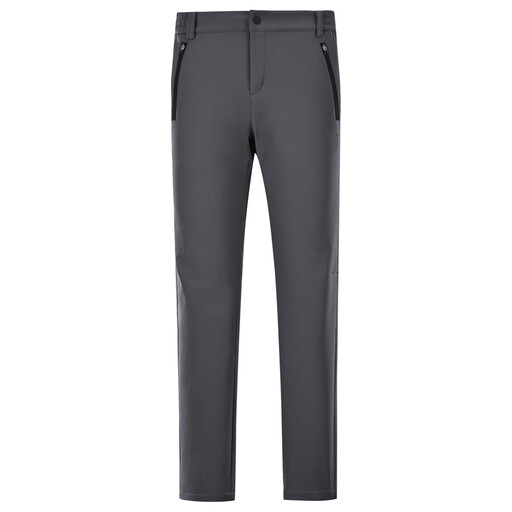
Why it suits this type of user: This dark grey softshell style is a good fit for walkers who pay particular attention to fabric type and protection in cooler or windier conditions.
Softshell is a specific style of garment, but it doesn't guarantee waterproofing. Check the product details for information about the membrane, seams and water-repellent properties.
Softshell construction; dark grey; size M in this variant.
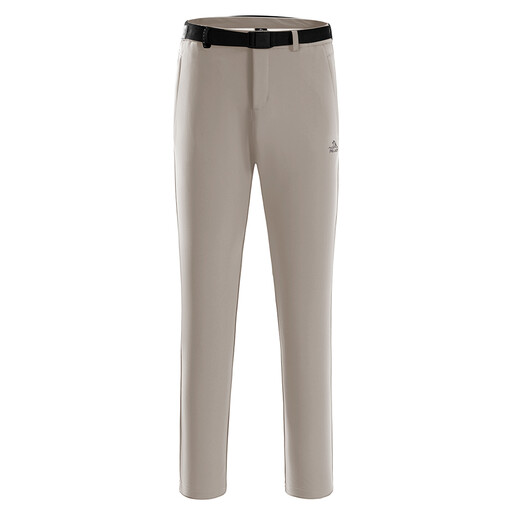
Why it suits this type of user: This khaki version suits anyone who wants to wear their men's trekking trousers beyond walking routes, for example when travelling or camping.
The softshell label gives you a clearer starting point than a generic outdoor claim. For regular, intensive use, also check the stretch, pockets, waistband finish and level of protection.
Softshell style; khaki; size M in this product variant.
We've put together a complete, up-to-date list of products that meet these strict selection criteria and the applicable European safety regulations.
Choose lightweight walking trousers in a thin, breathable fabric, with plenty of room to move. Check whether the manufacturer states the weight or fabric composition. A softshell style may be less comfortable in warm weather if it has a thick lining.
Their lifespan depends on how often you wear them, friction, washing and the fabric. A pair worn weekly on rough trails will wear more quickly around the knees, seat and pockets. Follow the care label, avoid unnecessarily high temperatures and check the zips and seams regularly.
Yes. Styles in black, grey or khaki are particularly easy to wear day to day. Think about the thickness, pocket layout and overall look, though. Technical men's hiking trousers can look warmer or sportier than a simple pair of men's outdoor trousers for the commute.
