
Vandaag of morgen in huis

Kwaliteit gegarandeerd

Welkomstaanbiedingen ontgrendelen: GRATIS bezorging | Tot 80% korting | Gratis 30 dagen JoyPlus-proefperiode
Download de app
Men's walking trousers need to do more than look sporty. Whether you're walking through the dunes, tackling a climbing route or cycling in the rain, you'll soon notice whether the waistband fits well, the fabric moves with you and the trousers can cope with the weather. Yet many buyers are swayed by terms such as “outdoor”, “waterproof” or “thermal” without checking what they actually mean in the product details.
In this guide, you'll find out what to look for in men's walking trousers, which common pitfalls to avoid and which type of trousers might suit the way you plan to use them.
A light coating can make raindrops bead off for a while. That doesn't always mean the trousers will keep you dry through a prolonged shower. Check whether the product description specifically mentions a membrane, taped seams or a waterproof rating. For men's waterproof ski trousers, details such as snow gaiters and ventilation zips are important too.
A relaxed cut may look comfortable, but it can get in the way when you're walking or climbing. Trousers that are too tight, on the other hand, can restrict your stride when taking big steps, crouching or bending your knees. Look for a gusseted crotch, articulated knees or stretch fabric if you're choosing men's climbing trousers or trekking trousers.
Sizing varies between brands and styles. Don't just go by S, M or L: compare the waist, hip and inside leg measurements with a pair of trousers that already fits you well. If you're buying winter trousers, remember to allow room for a base layer. Fleece-lined leggings or thermal layers need extra space around the hips and thighs.
For everyday walks, lightweight, single-layer walking trousers are often a practical choice. The PELLIOT Mountain Series Single-Layer Hiking Trousers Men's Gray L is a single-layer style designed for a simple walking outfit. Check the product page for available sizes and material details before placing your order.
For more demanding use, stretch fabric, a gusseted crotch and articulated knees are useful features to look for if you want greater freedom of movement. The product description for the THE North Face NF0A8B62 mentions comfort stretch fabric, a gusseted crotch and articulated knees. These features make the trousers suitable for walking, bouldering and technical climbing moves, but make sure the relaxed fit suits your preferences.
Softshell walking trousers are usually a middle-ground option: they offer more protection than lightweight trousers, but are often more flexible than a heavy hardshell. Check that the description actually mentions windproof or water-repellent properties. The product title for the PELLIOT Outdoor Soft Shell Hiking Trousers is clear, but few additional technical details are provided. So don't choose them based on the term “softshell” alone.
For skiing or prolonged exposure to rain and snow, construction details matter more than the name alone. The THE North Face NF0A8DTJ is described as featuring DryVent fabric, taped seams, an internal snow gaiter, ventilation zips and a DWR finish. According to the product description, these trousers are designed for snow sports and layering. Always check the latest sizing, care instructions and returns policy on the product page.
An adjustable waistband can be useful when you're wearing different layers. Also check:
Women's walking trousers often have a different waist-to-hip ratio from men's styles. So don't automatically choose a smaller or larger men's size. For everyday sportswear, high-waisted yoga leggings may offer enough freedom of movement, but they generally won't provide the same protection from branches, wind or rain as men's outdoor trousers.
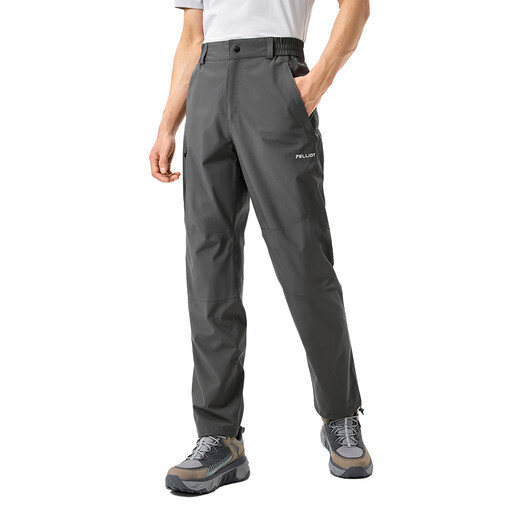
Why it suits this need: A single-layer style is a sensible choice for short walks, everyday wear and anyone buying men's walking trousers for the first time.
The product name makes it clear that these are single-layer trousers, so you won't mistake them for lined winter trousers or a fully waterproof style.
Single-layer design and a grey finish; check the size and material details before buying.

Why it suits this need: According to the product description, this style is designed with climbing in mind and includes features that allow for a wide range of movement.
The description mentions stretch fabric, a gusseted crotch and articulated knees, rather than relying on general outdoor claims alone.
Comfort stretch, gusseted crotch, articulated knees and multiple pockets, according to the product information.
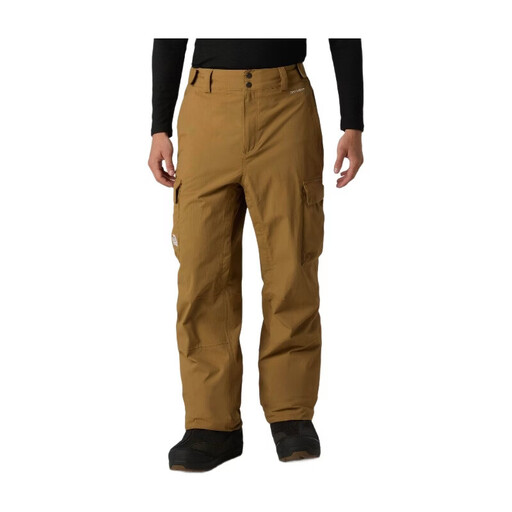
Why it suits this need: According to the product description, this style is designed for snow sports and situations where protection and layering matter.
The description includes specific construction details such as taped seams, ventilation zips and a snow gaiter.
DryVent fabric, a seam-sealed construction, an internal snow gaiter and vents, according to the product description.
We've put together a complete, up-to-date list of products that meet these strict selection criteria and comply with current European safety regulations.
How long your trousers last depends on the material, how often you wear them and how you care for them. Always follow the care label. Fasten zips and hook-and-loop fastenings before washing, use a suitable detergent and avoid tumble-drying at high temperatures unless the care instructions allow it. The water-repellent finish on trousers with DWR can wear off over time. According to the product information for the THE North Face style mentioned above, care or reproofing may be needed to maintain this feature.
After a walk, check the seams, zips and knees. Mud and salt residue can put extra strain on the fabric and fastenings. Lightweight trousers for woodland walks also need a different care routine from ski or softshell trousers.
Look for specific information about waterproof fabric, taped seams and a hydrostatic head rating, if one is provided. Softshell walking trousers may be suitable for wind and light rain, but they're not automatically fully waterproof. For prolonged rain, separate waterproof trousers may be more practical.
Layer up. Choose a base layer that isn't restrictive and make sure your outer trousers leave enough room. Fleece-lined leggings can provide extra warmth, while a roomier pair of trekking trousers leaves space for a thermal layer. Check that you can still move comfortably at the waist and knees.
It depends on the terrain, friction, washing and storage. Pay particular attention to wear around the seat, knees, crotch seam and pockets. Trousers used mainly for everyday walks may wear differently from men's climbing trousers or a style designed for skiing. Product information can offer useful guidance, but it can't give a fixed lifespan.
