
Vandaag of morgen in huis

Kwaliteit gegarandeerd

Welkomstaanbiedingen ontgrendelen: GRATIS bezorging | Tot 80% korting | Gratis 30 dagen JoyPlus-proefperiode
Download de app
Men’s walking trousers should feel comfortable on a short stroll, a brisk walk or a longer trek. Yet outdoor trousers for men can look more suitable on a product page than they are in practice. A great colour or technical term doesn’t always tell you how freely you can move, how well the trousers protect you from rain or how long they’ll last.
Use these checks to compare men’s hiking trousers based on verifiable information. Then explore some popular options for different activities.
Terms such as “outdoor”, “trekking” and “softshell” sound practical, but they don’t automatically tell you how trousers perform in wind or rain. Check whether the product information clearly states:
If the name only says “softshell”, don’t assume the trousers are fully waterproof. Look for a stated hydrostatic head rating, taped seams or a specific water-repellent finish. If these details aren’t provided, don’t rely on the trousers as a substitute for waterproof overtrousers.
A slim fit can work well for everyday wear, but tight trousers around the thighs and knees can restrict you when climbing, cycling or taking big strides. On the other hand, trekking trousers that are too loose can snag or feel unnecessarily warm.
Consider the combination of:
Black, grey or khaki walking trousers can look different from one model to another. Check the product colour shown and the available size separately. Some items are only available in one size, even if the product name suggests there are several options.
Check the waist measurement in centimetres, too. For example, the Adidas Trefoil Essentials Pants IY7361 Black XL are listed as fitting a waist of 91–96 cm. They have a slim fit, fleece made from 70% cotton and 30% recycled polyester, an elasticated waistband with a drawcord and side pockets. The product information makes these trousers a good option for casual wear and light activities, but not necessarily for wet mountain hikes.
For lightweight walking trousers, a thin synthetic fabric is often practical in warmer weather. Polyester and nylon generally dry faster than cotton, but the exact properties depend on the weave and finish. Cotton trousers can feel comfortable, but aren’t automatically suitable for prolonged rain.
When choosing water-repellent outdoor trousers, it’s important to distinguish between water-repellent and waterproof:
Treat a brand’s performance claims as statements made by that brand. For example, the brand’s own tests may suggest that a particular treatment improves water repellency; this isn’t a general guarantee for every use.
Men’s trekking trousers are only practical if you can walk, bend and sit comfortably. When trying them on, wear the underwear or base layer you use for walks. Check that:
For everyday wear, men’s sports trousers with a soft waistband may be enough. For longer walks, secure pockets, hard-wearing panels and suitable layering matter more than a sporty look alone.
How long trousers last depends on how they’re used, friction, washing and drying. Always follow the care label. Don’t wash them at a higher temperature than recommended, and avoid fabric softener if the manufacturer advises against it. Trousers used frequently on rough ground will wear more quickly around the knees, seat and pocket edges.
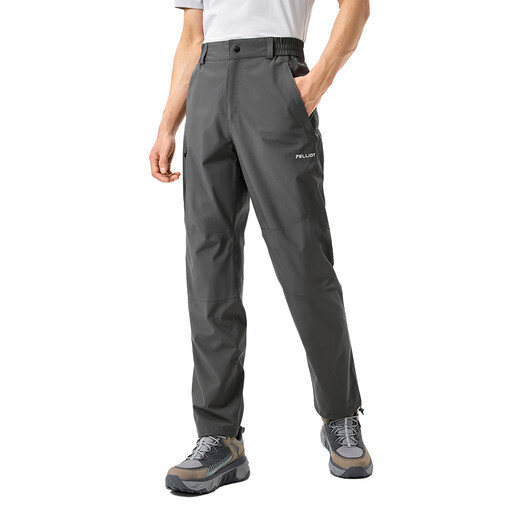
Why it suits this profile: The single layer and grey colour make this a straightforward choice for beginners who want to compare walking trousers without buying several layers straight away. Check the full size chart and fabric composition before buying.
The product name clearly says “single-layer”, so you don’t have to guess whether there’s a lining. Don’t assume the trousers are waterproof without further specifications.
Single layer; grey colour; size L listed in the product details.
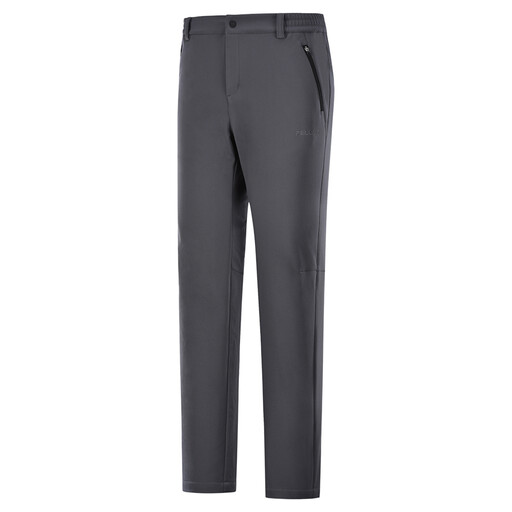
Why it suits this profile: These softshell walking trousers are aimed at buyers specifically looking for an outdoor style. The dark grey colour is easy to pair with a range of walking jackets and shoes.
The name tells you what type of fabric it is, without making an unsubstantiated claim about waterproofing. Check the technical product details before choosing it for wet conditions.
Softshell style; dark grey colour; size XL listed in the product details.
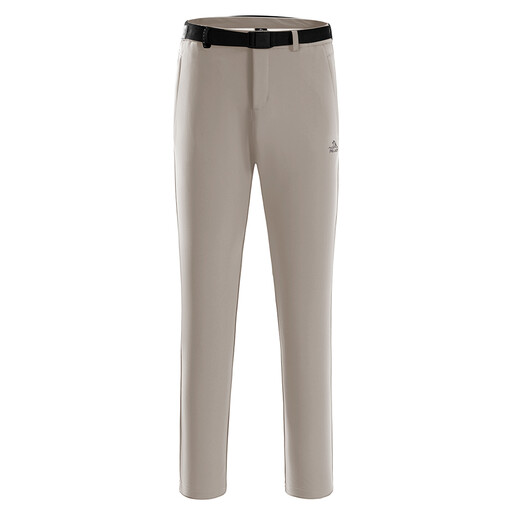
Why it suits this profile: The khaki colour works well with functional outdoor kit, while the softshell style suits walkers choosing trousers specifically for hiking and trekking.
The product variant lists the colour and size separately. Also check the fit, layering and care instructions before using the trousers on demanding walks.
Softshell style; khaki colour; size XL listed in the product details.
We’ve put together a complete, up-to-date list of products that meet these strict selection criteria and the applicable European safety regulations.
A regular fit usually gives you more room to move and space for an extra base layer. Slim fit can be comfortable for everyday wear, as long as the fabric doesn’t pull when you kneel or take big strides. Fit is personal, so use the waist and leg measurements as a guide.
Not necessarily. “Softshell” describes the type of garment, but on its own it doesn’t tell you how much rain the trousers will keep out. Check the stated hydrostatic head rating, coating, seams and care instructions. Without this information, a separate waterproof layer is a better choice in prolonged rain.
Follow the care label, and fasten zips and hook-and-loop fastenings before washing. Use the recommended temperature and avoid bleach unless it’s permitted. Air-dry the trousers if the product information advises this, and check over time whether the water-repellent finish needs to be reapplied.
