
Vandaag of morgen in huis

Kwaliteit gegarandeerd

Welkomstaanbiedingen ontgrendelen: GRATIS bezorging | Tot 80% korting | Gratis 30 dagen JoyPlus-proefperiode
Download de app
Men’s walking trousers need to do more than look sporty. Whether you’re walking in the Veluwe, on a cycling holiday in wet weather or hiking in the mountains, you’ll encounter changing temperatures, wind, mud and plenty of movement. Trousers that seem comfortable in the shop can disappoint once you’re out and about, due to restricted movement, poor ventilation or unclear sizing.
The main pitfalls aren’t always obvious. So don’t just look at colour and price: pay close attention to the material, fit and information on the product page.
The term water-repellent usually means that light rain or splashes will bead off the fabric for a while. That’s not the same as lasting protection in a downpour. Check whether the product information mentions a hydrostatic head rating, taped seams or a waterproof membrane.
If the product is described only as “water-repellent walking trousers”, with no technical details, assume they’re suitable for light rain and take waterproof overtrousers on longer walks.
Tight trousers may feel fine when you’re standing still, but can pull at the knees and hips when you’re climbing, cycling or taking long strides. Men’s softshell walking trousers are often more flexible than rigid men’s outdoor trousers, but fit still matters.
Check the size guide, the waistband design and whether the trousers are suitable for wearing over a base layer. Also check the inside leg measurement if it’s listed.
Words such as “windproof”, “breathable” and “four-way stretch” are only useful if the product page explains what they mean. For windproof walking trousers, for example, it’s worth checking whether the fabric is fully windproof or simply offers extra protection in certain panels.
A brand’s own research may indicate that a product has certain properties, but that claim isn’t automatically a universal guarantee. Compare the stated fabric composition, features and care instructions.
Lightweight walking trousers are useful for summer walks, travel and activities where you want to carry as little as possible. A single-layer style may be less bulky, while softshell trousers are often designed to offer extra protection and comfort in changeable conditions.
Look out for:
Thin trousers aren’t automatically cooler or more comfortable. Ventilation openings, the cut and breathability also play a part.
For walking in British weather, a combination of protection and ventilation is practical. A water-repellent outer layer may be enough for short walks in light rain. For a full day out in poor weather, it’s wiser to take additional waterproof clothing.
When choosing men’s trekking trousers or men’s mountain walking trousers, ask:
If this information isn’t available, it’s best to interpret the claims cautiously.
A good fit helps prevent chafing and stops the trousers from slipping down when you’re carrying a phone, keys or a walking map. Check whether the pockets have zips and whether the waistband is adjustable. Also read the care instructions. A coating may wear out more quickly if you wash the trousers at too high a temperature or use fabric softener.
A dark colour can be practical for everyday use. Grey, black and navy usually show dirt less readily than lighter colours. If you’re looking for one pair of trousers for both walking and leisure, you could also choose a less overtly outdoorsy style.
The selection below is based on the product name, available colour and size option, and the stated style type. Before buying, always check the latest size guide, stock availability, material information and specifications on the product page.
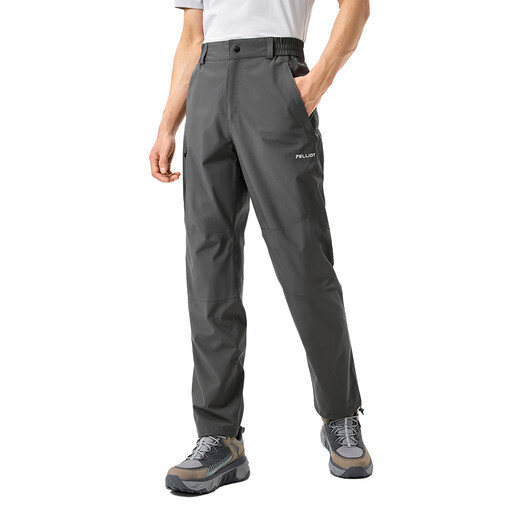
Why it suits this profile: This single-layer style in grey is a straightforward choice for walks, travel and everyday outdoor use. This product option is listed in size L.
The product name makes it clear that these are single-layer trousers. This makes it easier to compare them with lined or softshell styles and avoids any confusion about the construction.
Single-layer style; grey colour; size L listed as the product option.
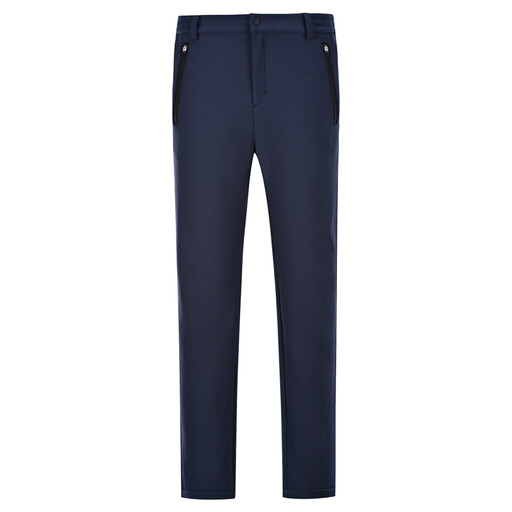
Why it suits this profile: This navy softshell style is a good fit for walkers looking for versatile trousers for cooler days and outdoor activities. This product option is available in size L.
The softshell name tells you about the type of layer, but not its exact level of water or wind resistance. Check these details before choosing the trousers for prolonged rain.
Softshell style; navy colour; size L listed as the product option.
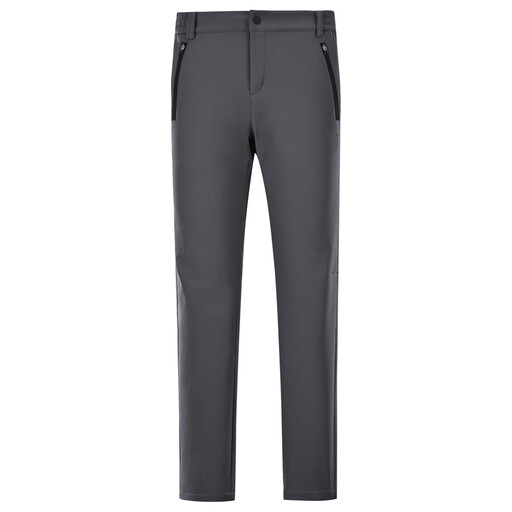
Why it suits this profile: The dark colour is practical for intensive outdoor use, and the XXL option is designed for a different build. The softshell style may appeal to those planning trekking and longer walks.
The size is clearly stated in the product name. Measure your waist and inside leg beforehand, and check that the sizing matches your measurements.
Softshell style; dark grey colour; size XXL listed as the product option.
We’ve put together a complete, up-to-date list of products that meet these strict selection criteria and the applicable European safety regulations.
For short walks, water-repellent walking trousers may be enough in light rain. For prolonged rainfall, you’ll need trousers with clear waterproofing information or a separate pair of waterproof overtrousers. Always check the seams, zips and care instructions.
The waist should sit comfortably without feeling tight. You should be able to sit down, bend over and take a long stride without feeling restricted at the knees or hips. If possible, try the trousers on with the clothing layer you plan to wear when walking.
Their lifespan depends on how often you wear them, friction, washing and storage. Trousers worn for daily walks will wear out more quickly than a pair used occasionally. Follow the care label, avoid unnecessarily high temperatures and don’t use fabric softener if the manufacturer advises against it. Over time, pay particular attention to the seams, zips and any water-repellent finish.
