
Vandaag of morgen in huis

Kwaliteit gegarandeerd

Welkomstaanbiedingen ontgrendelen: GRATIS bezorging | Tot 80% korting | Gratis 30 dagen JoyPlus-proefperiode
Download de app
Men’s walking trousers need to do more than look sporty. Whether you’re walking in the dunes, tackling the hills of Limburg or enjoying a mountain holiday, you’ll soon notice whether the fit is right, the fabric gives you enough freedom to move and the trousers suit the weather. The wrong choice can mean rubbing seams, restricted movement or trousers that get too warm as soon as you pick up the pace.
However, the product name doesn’t tell you everything. Terms such as “outdoor”, “hiking” and “softshell” can mean different things for different models. So focus on the verifiable product details, available sizes, colour and intended use.
Men’s softshell walking trousers sound suitable for outdoor use, but their composition, lining and construction determine how they feel in practice. A thicker fabric can be comfortable in cold weather, but less suitable for a summer’s day. A lightweight pair of men’s outdoor trousers may give you more freedom to move, but you might need an extra layer in lower temperatures.
Check whether the product page provides information about:
The term water-repellent walking trousers doesn’t automatically mean you’ll stay dry for long in heavy rain. Water-repellent may refer to a treatment or material that makes light rain bead off the fabric for a while. You may need separate waterproof trousers for prolonged rain.
Check whether the retailer lists a hydrostatic head rating, coating or other measurable specification. If this information isn’t on the product page, don’t assume the trousers are fully waterproof.
An M, L, XL or XXL isn’t identical across every brand. Trousers that fit well at the waist may still feel too tight around the thighs or knees. You’re most likely to notice this when climbing, cycling or taking big steps over uneven ground.
Ideally, measure your waist and inside leg, then compare your measurements with the size guide for the specific product. When choosing men’s hiking trousers, also consider what you plan to wear underneath.
For walking and hiking, you need a fit that lets you bend, stride and climb without the fabric pulling. Check the fit description and see whether the waistband is adjustable. An elasticated waistband or drawcord can be practical, but check the product page for details of the exact design.
Breathable walking trousers are particularly useful when you’re active for longer periods. “Breathable” doesn’t guarantee a specific level of comfort. Check whether the product page lists technical ratings or clearly specifies the material. In warm weather, ventilation zips or a lightweight single layer can be useful, but not every model has these features.
Men’s mountaineering trousers are often chosen for rougher terrain and changeable conditions. As well as checking the material, look for details such as a reinforced hem, fastenings and the option to wear an extra layer. If the manufacturer makes claims about performance or protection, treat them as claims made by the brand and check the supporting specifications. A brand’s own research shouldn’t be presented as an established result without a source.
The selection below is grouped by intended use. The names, colours and sizes are based on the product information provided. Always check the current price, stock, size guide, delivery time and product specifications before ordering.
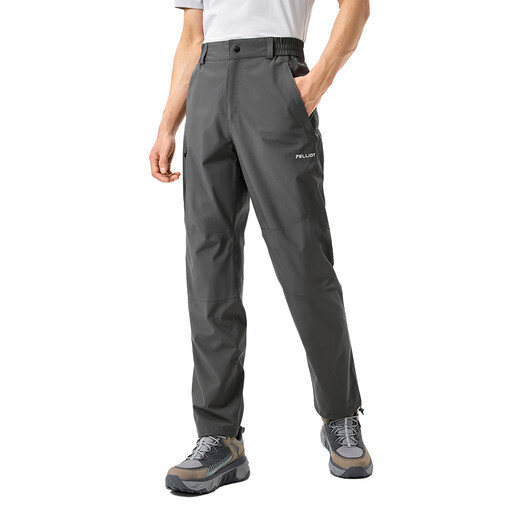
Why it suits this profile: The single-layer design and grey colour make these a good basic pair of trousers for walkers looking for something straightforward for everyday walks and easy hikes.
The product name clearly identifies the single-layer construction. This makes it easier to decide whether you’ll need an extra layer in colder conditions.
Single-layer design, grey colour and size L. Check the size guide and fabric details before ordering.
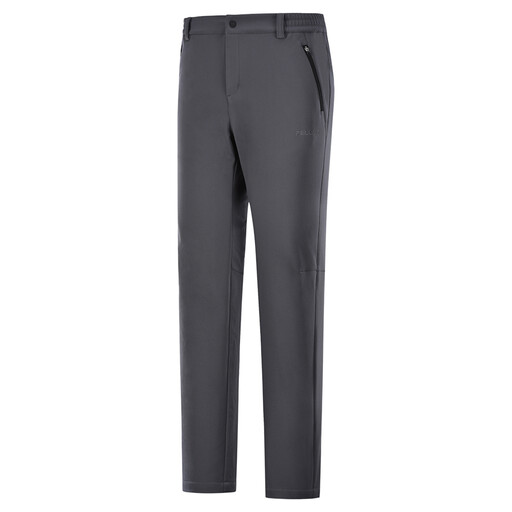
Why it suits this profile: This softshell model is a good choice for walkers looking for men’s outdoor trousers for changeable conditions, with a dark grey finish.
The softshell label gives you an idea of how the trousers are intended to be used, but don’t let it set unrealistic expectations. Check the information on water repellency, lining and breathability for yourself.
Softshell design, dark grey colour and size XL. Compare them with a single-layer pair.
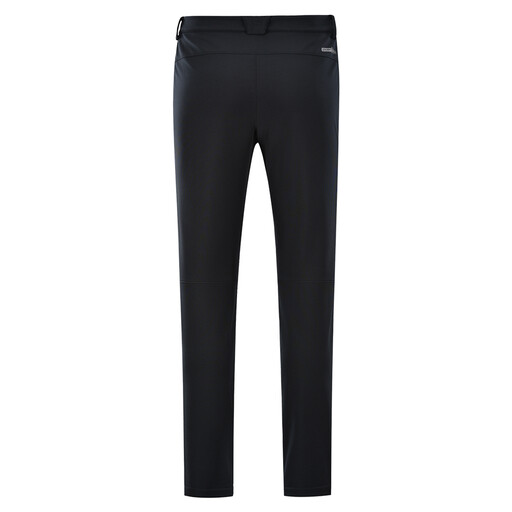
Why it suits this profile: The black finish is practical for frequent walks, outdoor activities and more intensive use, especially if you prefer a neutral colour.
The product clearly lists the size as M. Still, compare it with your measurements to avoid a fit that feels too tight when you’re moving.
Softshell design, black colour and size M. A practical option to compare for regular use.
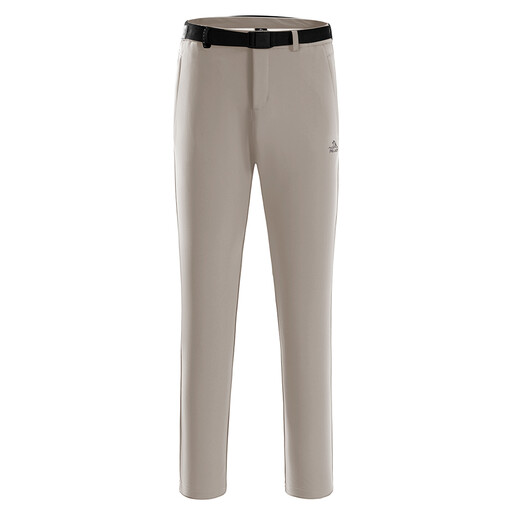
Why it suits this profile: This khaki pair is a good option if you’re looking for lighter-coloured walking trousers and want to compare an XL model from the same softshell range.
Assessing the colour and size separately helps you avoid choosing a model that only looks right for you in the photo.
Softshell design, khaki colour and size XL. Check the fabric and care information on the product page.
We’ve put together a complete, up-to-date list of products that meet these strict selection criteria and the applicable European safety regulations.
Measure your waist and inside leg, then compare these measurements with the size guide for your chosen model. Check the fit too, and allow for a base layer if you’ll be wearing one. A letter size alone isn’t enough to determine the right size.
It depends on the stated material properties. Softshell doesn’t automatically mean waterproof. Check whether the product page lists a water-repellent treatment, hydrostatic head rating or other information about rain protection. You may need separate waterproof trousers for prolonged rain.
Always follow the care label and the instructions on the product page. Don’t use harsh products if the manufacturer advises against them. Fasten zips and hook-and-loop fasteners before washing, and leave the trousers to dry as instructed. This helps minimise unnecessary wear to the fabric, seams and any coatings.
