
Vandaag of morgen in huis

Kwaliteit gegarandeerd

Welkomstaanbiedingen ontgrendelen: GRATIS bezorging | Tot 80% korting | Gratis 30 dagen JoyPlus-proefperiode
Download de app
Men’s walking trousers need to do more than look hard-wearing. Whether you’re walking in the Veluwe, exploring the hills of Limburg or heading out on a longer trek, you’ll soon notice whether the fit is right, the fabric moves comfortably and the trousers are suitable for the weather.
Many buyers focus mainly on colour and price. That can lead to trousers that pinch when you’re climbing, feel too warm when you’re working hard or don’t offer enough protection from rain and wind. Use the checks below to avoid a bad buy and compare men’s softshell walking trousers, lightweight men’s outdoor trousers and men’s trekking trousers more effectively.
Trousers may look roomy at first, but still pull across the knees or hips. So don’t just check the waist size. Pay attention to:
Trousers that are too big will slide around, causing chafing and potentially affecting how the pockets sit.
The term water-repellent walking trousers doesn’t automatically mean you’ll stay dry in a prolonged downpour. Water repellency may refer to a treatment or to the properties of the outer fabric. Check the product page for specific information about:
If this information isn’t provided, don’t assume the trousers are a fully waterproof alternative to waterproof overtrousers. In changeable weather, wearing a separate pair of waterproof trousers over your walking trousers may be more practical.
“Softshell” and “single-layer” give you an initial clue, but they don’t tell you everything about comfort. The thickness, stretch, waistband construction, ventilation and finish all affect how the trousers feel in practice.
A brand’s own research may suggest that certain materials offer benefits, but such claims aren’t a general guarantee. Look for verifiable product information and choose according to how you plan to use the trousers.
Compare your measurements with the size guide on the product page. A size L or XXL won’t be the same across every brand. Ideally, measure:
A straight or slightly shaped fit is often practical for walking. Very tight trousers can restrict your movement, while a loose fit is more likely to catch on branches.
Single-layer walking trousers may suit milder conditions or anyone looking for a lightweight pair. A softshell style may be a better option if you expect to need more protection from wind and cold. Always check the exact product specifications, though: the product name alone won’t tell you everything about warmth, stretch or water repellency.
The following details are also worth considering if you plan to wear the trousers more intensively:
Men’s black walking trousers are easy to pair with other outdoor clothing for men and are less likely to show minor colour variations caused by mud. Dark grey and navy are versatile options too. Khaki can work well for everyday wear and gentle walks.
Before buying, check whether the trousers are machine washable, the recommended temperature and whether they need reproofing. Don’t use fabric softener if the manufacturer says it could affect the performance of a coating.
The selection below is based on the product name, stated colour and size, and type of trousers. Before ordering, check the latest size guide, stock availability and full specifications on the product page.
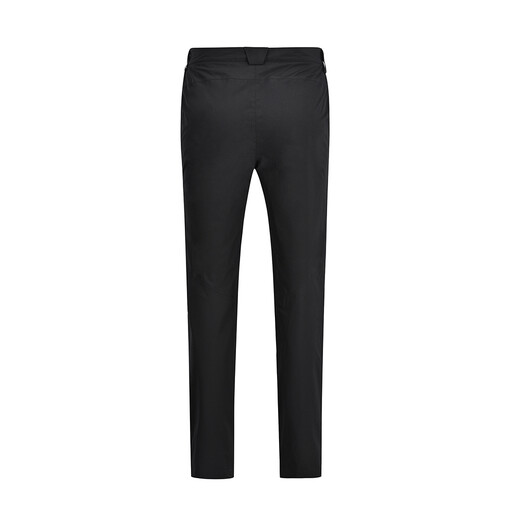
Why it suits this profile: This black, single-layer style in size L is a straightforward choice if you’re looking for walking trousers without needing multiple layers or a bold colour.
The product name clearly states the layering, colour and size. Also check the size guide and information about rain protection, as single-layer doesn’t automatically mean waterproof.
Black colour; single-layer design as stated in the product name; size L.
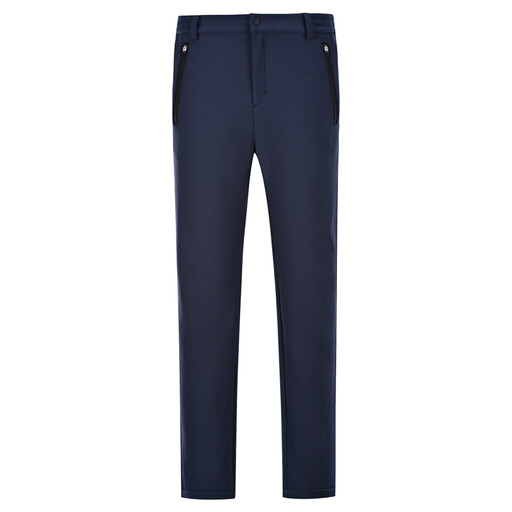
Why it suits this profile: The softshell label may appeal if you’re looking for men’s outdoor trousers for changeable conditions and need a medium size.
The product name distinguishes these from single-layer trousers. Before buying, still check the stated fabric, lining, stretch and water-repellent properties.
Softshell style according to the product name; navy blue; size M.
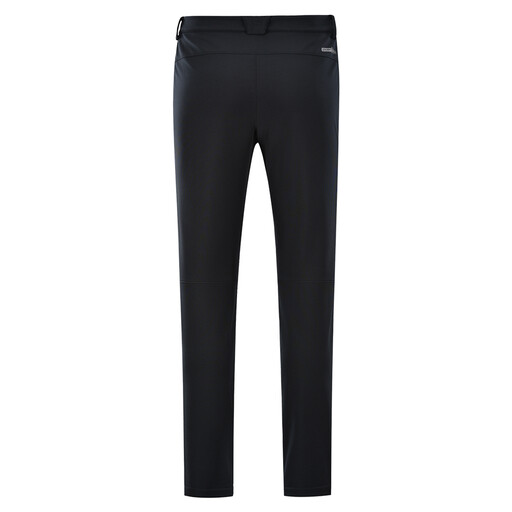
Why it suits this profile: This black softshell style in size L is a good fit for walkers looking for dark, versatile trousers for regular use.
The product name identifies the softshell style, but check the technical specifications rather than relying on the fabric name alone.
Softshell style; black colour; size L.
Before placing your order, make a quick comparison using these points:
If you mainly go on day walks, a lightweight pair of men’s trekking trousers may be enough. For colder or windier conditions, men’s softshell walking trousers may be a more suitable choice. In heavy rain, a separate waterproof layer is often still essential.
We’ve put together a complete, up-to-date list of products that meet these strict selection criteria and the applicable European safety regulations.
The trousers should sit comfortably at the waist without pinching. You should be able to sit, bend and take a long stride without feeling tension around your hips or knees. If possible, try them on with the clothes you’d normally wear for a walk.
Their lifespan depends on how often you wear and wash them, the amount of friction they’re exposed to, and the quality of the seams and zips. If you often walk over rocks, branches or rough ground, the fabric will take more wear. Follow the washing instructions and check the seams, waistband and fastenings regularly.
Black or dark grey walking trousers may show light marks less readily and go with a wide range of jackets and fleeces. A lighter colour may be more comfortable in warm weather, as it absorbs sunlight differently. The best choice depends on how much maintenance you want, the season and your personal preference.
