
Vandaag of morgen in huis

Kwaliteit gegarandeerd

Welkomstaanbiedingen ontgrendelen: GRATIS bezorging | Tot 80% korting | Gratis 30 dagen JoyPlus-proefperiode
Download de app
A pair of men's walking shoes needs to do more than look sturdy. In the Netherlands, tarmac, woodland paths, mud and wet heathland can follow one another in quick succession. If you also go hiking, trail running or walking in the mountains, one model won't necessarily suit every activity.
The biggest buying mistakes often stem from three misleading assumptions:
Don't just look at the name of the sole. Consider the combination of rubber compound, lug depth and tread direction. A versatile tread is often a practical choice for walking trails in the Netherlands. For shoes designed for rough terrain, stability and grip during sideways movement matter more.
Walking shoes with good grip often have a well-defined tread with different contact zones. A model with a Vibram sole may appeal if you value a recognisable sole technology, but the brand name alone doesn't guarantee the shoe will perform equally well on every surface. Check the product page and choose according to how you plan to use the shoes.
Trail running shoes are generally lighter and more flexible. According to the product information, the Salomon Pulsar Trail has a rubber outsole with 3,5 mm lugs, designed for speed and grip on relatively smooth terrain. This type of shoe is therefore better suited to firmer paths than deep mud or loose mountain ground.
If you often walk in the rain, through wet grass or in mud, you could consider waterproof men's walking shoes or Gore-Tex walking shoes. GORE-TEX describes its membrane as protection against water getting in. This is useful product information, but the result also depends on the tongue construction, seams, fit and how deep the water is.
According to Salomon's own product information, the XA Pro 3D v9 GTX has a GORE-TEX membrane. The Spikecross 6 GTX is also described as offering full GORE-TEX protection. Consider breathability too: a synthetic mesh upper may feel airier than a thick, heavy upper.
A good fit stops your heel from slipping and your toes from hitting the front of the shoe. Ideally, try walking shoes on with the socks you plan to wear. Leave a little room around your toes for descents, without letting your foot slide forwards.
Look out for these points:
The Salomon Pulsar Trail's product information mentions an Energy Foam midsole and Energy Blade technology. According to Salomon's own product information, these features are designed to provide cushioning, energy return and smooth transitions. Treat these as product specifications; how the shoe feels will vary depending on your foot and walking style.
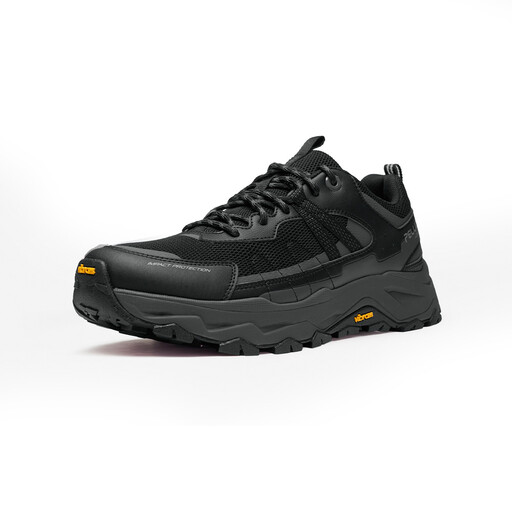
Why it suits this profile: An accessible option for walks, day trips and casual outdoor use if you're looking for a hiking shoe without needing a heavy-duty mountain boot.
The recommendation is based on its stated use as a hiking shoe, not just its rugged look. Before buying, check the size, sole tread and current product specifications.
A hiking shoe for everyday outdoor use; available in several EU sizes in this product range.

Why it suits this profile: For walkers and trail users looking to combine water protection, stability and a sturdy construction.
The product information specifically lists a GORE-TEX membrane, 3D Advanced Chassis and Contagrip sole. This lets you check the features rather than relying on marketing language alone.
GORE-TEX according to the product information; Quicklace fastening; Contagrip outsole and reinforced heel and toe areas.
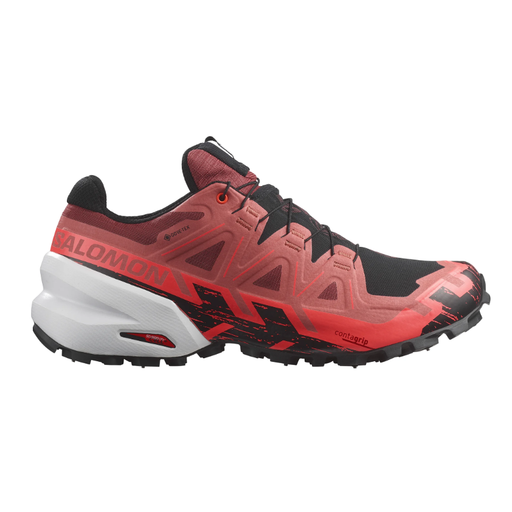
Why it suits this profile: Designed for winter trail running and outdoor activities where snow, ice and wet conditions are part of the experience.
This shoe isn't presented as an all-purpose model: the product information specifically mentions winter terrain. That helps you avoid choosing a spiked shoe for ordinary tarmac or dry summer walks.
According to Salomon's own product information: GORE-TEX protection and 12 tungsten carbide spikes for grip on soft snow and ice.
We've put together a complete, up-to-date list of products that meet these strict selection criteria and comply with the applicable European safety regulations.
It depends on the terrain, distance and your preferences. Men's trail running shoes are often light and flexible, which can make them comfortable on well-maintained paths. For a heavy pack, rocky ground or extra ankle support, a hiking or mountain boot may be a better choice.
Their lifespan depends on distance walked, body weight, terrain, care and storage. Check the sole, seams, heel lining and cushioning regularly. After a wet walk, let your shoes dry at room temperature and avoid direct heat. Replace them when the soles become visibly smooth or the support noticeably decreases.
Not always. They can be practical for wet walks, rain and mud. In warm weather or on dry paths, a well-ventilated model may feel more comfortable. Choose according to how you plan to use them, not just because they have a waterproof label.
