
Vandaag of morgen in huis

Kwaliteit gegarandeerd

Welkomstaanbiedingen ontgrendelen: GRATIS bezorging | Tot 80% korting | Gratis 30 dagen JoyPlus-proefperiode
Download de app
A pair of men’s walking shoes should suit the route, weather and the way you walk. A lightweight shoe for a city walk performs differently from sturdy men’s trekking shoes on rocks, mud or loose ground. Yet many models are promoted using the same marketing terms. As a result, you may sometimes pay for features you do not need, or find that you lack the support you actually require.
The following pitfalls are common:
For walks in the Netherlands, waterproof men’s walking shoes are practical in rain, wet grass and muddy conditions. Pay attention to the difference between:
A waterproof membrane may allow heat and moisture to escape less quickly than open mesh. For intensive walking or trail running, a breathable, non-waterproof shoe may therefore be more comfortable in dry weather. According to the product information, the Salomon XA Pro 3D v9 GTX and Salomon X Ultra models use a GORE-TEX membrane. The Nike Manoa is described as water-repellent; that is a different claim from being waterproof.
Anyone looking for walking shoes with good grip should look beyond the model name. Check:
According to the product details, the Salomon models in this selection use Contagrip rubber. The Salomon Pulsar Trail has a tread depth of 3.5 mm and is designed for speed on relatively smooth terrain. This makes it more interesting for trail running than for heavy trekking with a rucksack. For mud, loose stones and rugged paths, a more aggressive tread is often the more logical choice, as with the PELLIOT Hiking Boots.
No sole performs identically in every condition. Even a highly grippy tread may offer less security on wet wooden boardwalks or slippery tiles. Walk carefully and adjust your pace to the surface.
A good fit prevents pressure points and your foot from sliding inside the shoe. Measure your feet at the end of the day, when they often take up slightly more space. Allow for walking socks and check that your toes do not touch the front when walking downhill.
Choose according to the terrain:
A mid-cut shaft is no guarantee against ankle sprains. Fit, lacing and the way you walk remain important. Product information about a 3D chassis, reinforced heel or toe cap is therefore best assessed together with the sole and shaft height.
The selection below is based on verifiable product details such as membrane type, sole material, shaft height, fastening and intended use. Descriptions of comfort or performance come from the product information provided by the brands and should not be interpreted as a guarantee for every user.
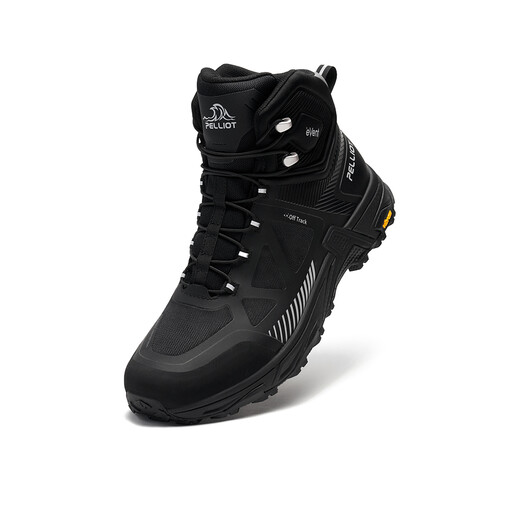
Why it suits this profile: These higher hiking boots for men are designed for camping, trekking and paths with mud, stones or undergrowth. The size chart lists EU 42 through to EU 45.
The product description mentions a waterproof, breathable lining, protective toe cap and a sole with a specialised tread. This clearly sets out the key features.
Hard-wearing synthetic upper, protective toe area and Fitgo Quick-Lace system according to the product details.

Why it suits this profile: A low-cut shoe for walkers who also enjoy trail running and want stability on technical paths without choosing a heavy boot.
The product details mention both a GORE-TEX membrane and a 3D Advanced Chassis and Contagrip outsole. Water protection, stability and grip are therefore specified separately.
Quicklace fastening, reinforced toe and heel, plus a combination of mesh and textile according to the product specification.
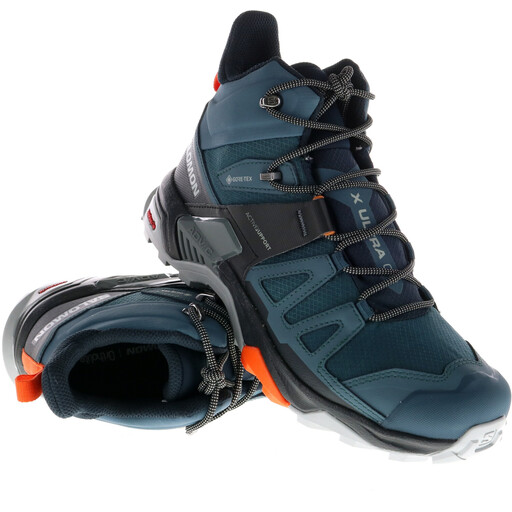
Why it suits this profile: For long walks, trekking and varied terrain where ankle coverage, water protection and cushioning are important.
The mid-cut shaft, GORE-TEX membrane and Contagrip MA sole are listed separately in the product information. This makes it easier to assess whether the additional construction suits your route.
EnergyCell EVA midsole, mid-cut design and reinforced protection according to the product specifications.
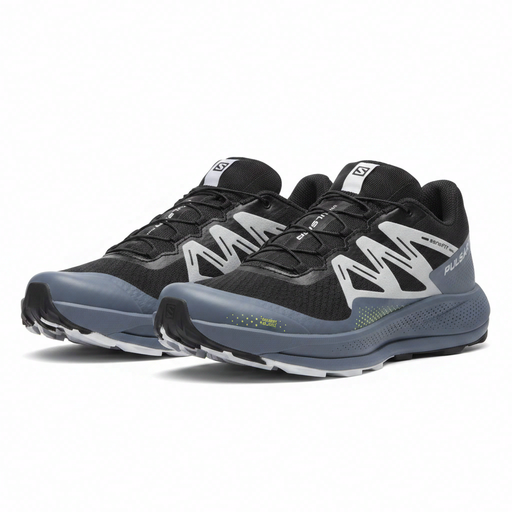
Why it suits this profile: This low-cut trail model is designed for runners looking for a lightweight, neutral shoe for training and routes on smooth terrain.
The shoe is not presented as a heavy trekking boot. Instead, the product details specify a weight of 10 oz per shoe, neutral support and a 3.5 mm tread.
Energy Foam midsole, Energy Blade technology and breathable mesh according to the product description.
We have compiled a complete, up-to-date list of products that fully meet these strict selection criteria and the applicable European safety regulations.
Use this quick checklist before ordering:
They can be, particularly for walks in rainy weather and on wet cycle paths. According to the product information, a GORE-TEX membrane is intended to provide waterproof protection, but the shoe may feel warmer than a fully open mesh model. For everyday use in dry weather, a lightweight trail or walking shoe may be more practical.
Their lifespan depends on mileage, body weight, surface, care and storage. Regularly check the tread blocks, seams, heel lining and cushioning. Allow wet shoes to dry at room temperature and do not use a radiator or hairdryer. When the sole becomes visibly smooth or the fit changes, replacing the shoes is wiser than judging them solely by their appearance.
Often, yes, for short walks and easy paths. Men’s trail running shoes are generally lightweight and flexible, but they do not always offer the same ankle coverage, toe protection or load-bearing structure as men’s trekking shoes. If you are carrying a heavy rucksack or walking over rugged terrain, carefully compare the sole, shaft and reinforcements before ordering.
