
Vandaag of morgen in huis

Kwaliteit gegarandeerd

Welkomstaanbiedingen ontgrendelen: GRATIS bezorging | Tot 80% korting | Gratis 30 dagen JoyPlus-proefperiode
Download de app
The right men’s walking boots can make all the difference on a stroll around town, a long woodland route or a multi-day trek. But it’s easy to pay too much for a pair that doesn’t suit the way you walk. Lightweight trail shoes, for example, are comfortable on flat paths but may not offer enough protection on loose stones. High-cut mountain boots, on the other hand, can be unnecessarily heavy for casual walks in the Netherlands.
Joybuy Product Recommendation Officer helps you weigh up the key differences without simply taking marketing claims at face value.
Waterproof walking boots for men are useful in rain, wet grass and mud. A membrane such as GORE-TEX may offer protection from water, according to the product description, but this also depends on the boot’s construction, seams, tongue and the condition of the materials. Water can also get in over the top of the boot.
A waterproof boot also usually breathes differently from a shoe with fully open mesh. For warm, dry walks, non-waterproof hiking shoes for men may therefore feel more comfortable.
A deep sole may seem appealing for walking boots for rough terrain, but on tarmac or hard cycle paths, a chunky tread can feel less flexible and wear down more quickly. Men’s trail running shoes are designed with speed and freedom of movement in mind. They aren’t automatically suitable for carrying a heavy pack or providing long-term ankle support.
As well as the tread, pay attention to the sole rubber, lug depth and midsole stability.
Thick walking socks, swelling on long walks and downhill stretches all call for extra room around your toes. A boot that fits snugly in the shop may pinch on a multi-day trek. Too much room, on the other hand, can cause your feet to slide and lead to blisters.
Measure both feet at the end of the day and compare their length with the product’s size chart. Check the width and fit, too. An EU size can vary between brands.
Men’s GORE-TEX walking boots feature a GORE-TEX membrane, according to the relevant product description. This can be a practical choice in changeable British weather. Check whether the model also has a well-sealed tongue, a reinforced toe and a sufficiently high cuff.
Look out for the following:
Treat a brand’s waterproofing claim as information from the manufacturer’s product description, not as a guarantee that your feet will stay dry in all conditions.
A rubber sole with a tread is useful on wet leaves, mud and loose stones. According to Salomon’s product information, models with a Contagrip sole are designed to provide grip on different surfaces. The same applies to walking boots with a Vibram sole: the brand name tells you something about the sole technology used, but how suitable the boots are also depends on the tread, compound and construction.
Use this guide as a starting point:
A mid- or high-cut boot covers more of the ankle. According to the product description, this can provide extra support and stability, but may restrict freedom of movement. Ankle support is no substitute for good walking technique, and it doesn’t automatically make a boot suitable for mountaineering.
Also consider:
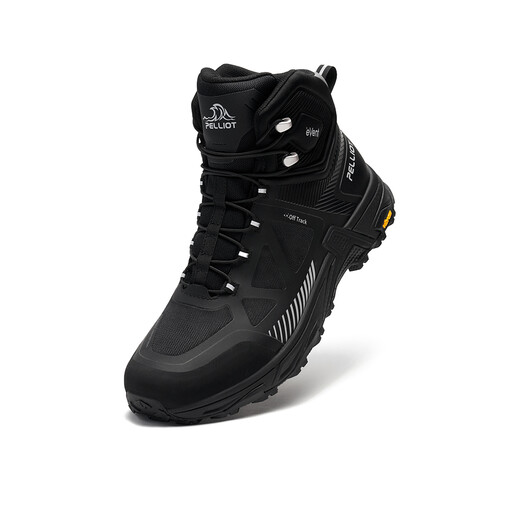
Why it suits this type of walker: The product information mentions a waterproof, breathable membrane, a protective toe and a treaded sole for walking, camping and rougher terrain.
The size chart lists foot lengths from 245 to 275 mm. Check it before you buy rather than relying on your usual EU size.
Waterproof membrane according to the product description, protective toe and quick-lace system.
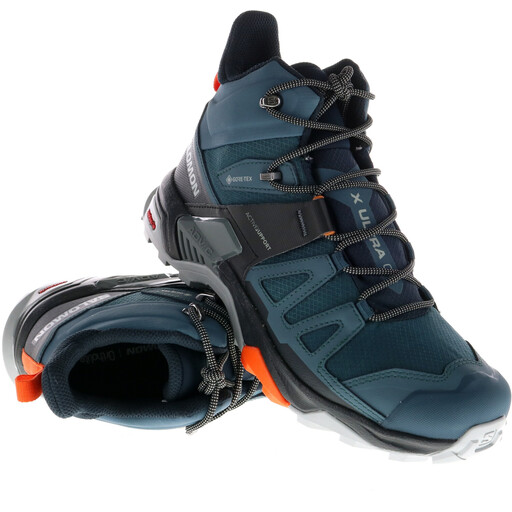
Why it suits this type of walker: According to the product description, this mid-cut model is designed for walking on uneven ground. It features GORE-TEX, EnergyCell cushioning and a Contagrip MA sole.
The combination of a mid-cut design, membrane and rubber tread makes it clear what conditions this boot is intended for. Be sure to check that it fits your foot well.
GORE-TEX membrane according to the product information, mid-cut construction and EnergyCell EVA midsole.
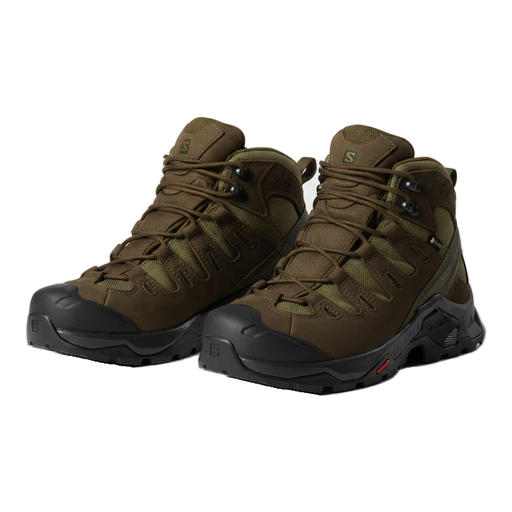
Why it suits this type of walker: According to the product description, the higher cuff, wide fit, GORE-TEX membrane and stable construction are designed for multi-day routes and backpacking.
The higher construction and stable chassis are clearly better suited to demanding use than a low-cut trail shoe. Try them on beforehand to check ankle mobility and weight.
High cuff, wide fit according to the product information and rubber sole for mixed terrain.
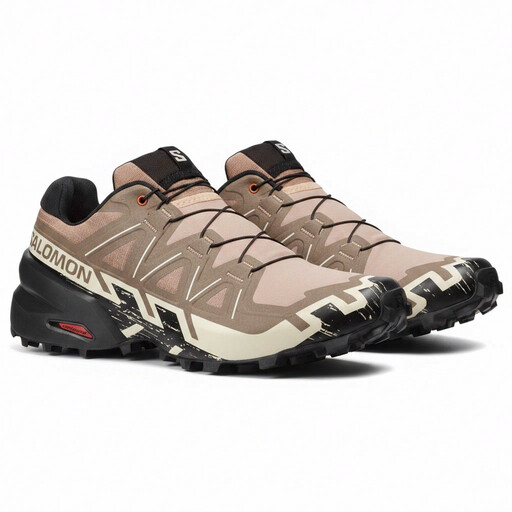
Why it suits this type of walker: The product description mentions an aggressive Contagrip tread, lightweight mesh and EnergyCell cushioning for technical trails.
This shoe is clearly described as a trail model. Don’t use it as a substitute for high-cut men’s mountain boots if you’re carrying a heavy pack or need long-term ankle support.
Aggressive Contagrip tread and lightweight synthetic mesh, according to the product details.
We’ve put together a complete, up-to-date list of products that meet these strict selection criteria and the applicable European safety regulations.
Their lifespan depends on walking distance, body weight, terrain, care and storage. Pay particular attention to the tread, seams, heel counter and cushioning. Worn tread or a collapsed midsole can reduce stability, even if the upper still looks in good condition.
They can be, especially for walks in rainy weather. In warm, dry conditions, a breathable, non-waterproof model may feel cooler. Choose based on the weather, route and likelihood of wet ground.
Generally, not as an all-purpose alternative. Trail running shoes are lightweight and flexible, but often provide less ankle support and protection than men’s mountain boots. For technical routes, snow, a heavy pack or scrambling, check the construction, sole and instructions for the specific model.
According to the product information, all the models listed come with a minimum two-year legal guarantee under European consumer law. Keep your proof of purchase and check the current returns and guarantee terms before ordering.
