
Vandaag of morgen in huis

Kwaliteit gegarandeerd

Welkomstaanbiedingen ontgrendelen: GRATIS bezorging | Tot 80% korting | Gratis 30 dagen JoyPlus-proefperiode
Download de app
Choosing a new men’s T-shirt might seem straightforward, but small differences determine whether you’ll wear it often or leave it at the back of the wardrobe. A cotton men’s T-shirt can feel lovely against the skin, while a sports men’s T-shirt is better suited to movement and sweat. Colour, cut and sizing also vary from brand to brand.
As Joybuy Product Recommendation Officer, I filter the most important information from product descriptions so you can compare marketing claims against verifiable specifications.
The word “breathable” doesn’t tell you much on its own. Always check the material composition. A shirt made from 100% cotton generally feels soft and is known as a natural material. A polyester shirt, on the other hand, can be lightweight and, according to the brand’s product description, wick moisture away from the skin.
Also pay attention to the fabric weight. A T-shirt of 160 g/m² is very different from a heavy model of 240 g/m². A heavier fabric can drape more firmly, but it isn’t automatically better for warm days.
A slim fit T-shirt sits closer around the chest and waist. That can work well under a blazer or overshirt, but it may feel less comfortable when you want plenty of room to move. A regular fit usually offers more space, while an oversized T-shirt is deliberately roomier and longer.
Don’t just look at S, M or L. Where available, also check chest width, body measurements and length. A medium from adidas won’t necessarily have the same dimensions as a medium from Nike or The North Face.
A black men’s T-shirt is easy to style, but dark colours can show visible fluff or colour differences. A white men’s T-shirt goes with many outfits, but stains are more noticeable. Always wash according to the label and look out for instructions such as maximum 30 or 40 °C, do not bleach and do not tumble dry.
A print, embroidery or logo needs extra attention. With the adidas Adicolor Classics 3-Stripes Tee, for example, it’s recommended to wash the shirt inside out and not to iron directly over the print.
Always check the composition on the current product page. A brand’s claim about comfort, moisture transport or durability is not a universal guarantee for every wearer.
Use your chest measurement as your first reference point. Measure with a soft tape measure around the widest part of your chest, without pulling the tape tight. Then compare with the size chart for the specific shirt.
If you’re unsure between two sizes, the desired look is important. Nike states with the Sportswear Club T-Shirt that you can choose the smaller size for a tighter fit and the larger size for more room.
A round neck is versatile and works well under a gilet, jacket or shirt. A V-neck gives a different look and is less suitable if you’re after a classic crewneck. Short sleeves suit summer and sport; long sleeves can be used as a base layer under a jacket.
For a sports men’s T-shirt, freedom of movement, weight and the ratio of cotton to polyester are more important than just the logo. For everyday wear, it’s comfort, colour, care and how the shirt falls under other clothing that really count.
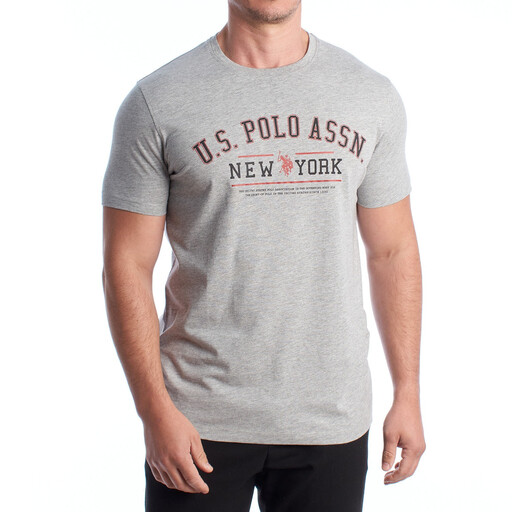
Why this fits the profile: A grey men’s shirt with a round neck, short sleeves and a comfortable fit for jeans, chinos or shorts.
The product information clearly states 100% cotton, breathable material and washing advice at a maximum of 30 °C.
100% cotton; round neck with ribbed collar; suitable for wearing under a jacket or gilet.
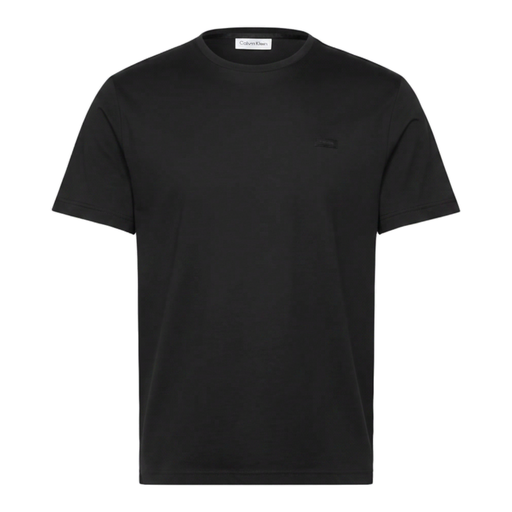
Why this fits the profile: A minimalist black men’s T-shirt for anyone looking for a calm base that also works under a blazer or overshirt.
The description doesn’t make vague technical promises, but specifies a round neck, short sleeves and 100% cotton.
100% cotton; neutral black colour; easy to pair with jeans, shorts and jackets.

Why this fits the profile: Designed for football, training and active days where freedom of movement and moisture wicking matter more than a fully cotton feel.
The material specification makes the difference clear: 57% cotton and 43% polyester, with a regular fit and short sleeves.
Dri-FIT technology according to Nike; regular fit; suitable for sport and casual combinations.
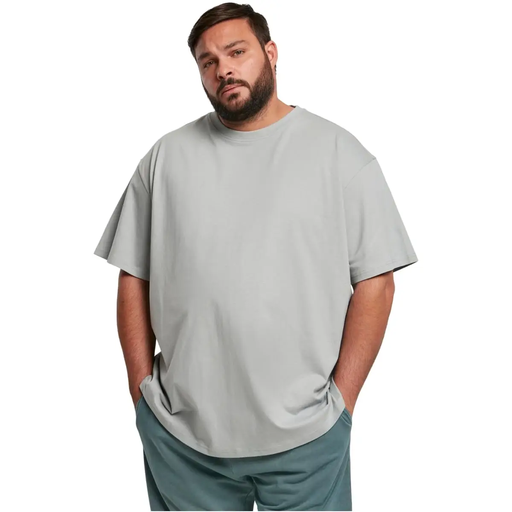
Why this fits the profile: For a streetwear look, warm days or a loose-fitting shirt to wear with jeans, cargo trousers or shorts.
The term “oversized” is backed up by an explicit oversized fit and a fabric weight of 240 g/m².
100% cotton; oversized fit; 240 g/m² single jersey according to the product information.
We’ve put together a full, up-to-date list of products that fully meet these strict selection criteria and current European safety regulations.
For everyday wear, 100% cotton is a practical choice if you value a soft fabric and a classic casual look. For sport, a cotton-polyester mix or polyester shirt may be more logical. Check the exact composition and don’t take “breathable” as your only buying criterion.
Measure your chest circumference and compare it with the size chart on the product page. Also pay attention to the fit: slim fit is tighter, regular fit offers more room to move, and oversized is deliberately roomy. Don’t automatically use the same size across different brands.
Follow the washing label, wash dark colours with similar colours and don’t use bleach when it’s not allowed. Preferably air-dry shirts when the product information advises against tumble drying. Turn shirts with a print inside out and don’t iron directly over the design.
