
Vandaag of morgen in huis

Kwaliteit gegarandeerd

Welkomstaanbiedingen ontgrendelen: GRATIS bezorging | Tot 80% korting | Gratis 30 dagen JoyPlus-proefperiode
Download de app
A men’s trimmer might seem simple at first: choose a model with plenty of attachments, charge it and get started. In practice, electric trimmers can vary widely in how they work, how they’re maintained and what they’re suited to. A beard trimmer that works well for short stubble isn’t automatically suitable for trimming your hair or body hair.
Keep an eye out for these common pitfalls:
For a short beard, increments of around 0.5 to 1 millimetre are often practical. If you maintain a longer beard, you’ll benefit from a range of up to 20 millimetres or more. Check:
According to the product information, the Philips Beard Trimmer 7000 has 40 settings from 0.4 to 20 millimetres, in 0.2-millimetre increments. This is particularly handy if you regularly switch between short stubble and a longer beard. Philips says its BeardSense technology scans beard density 125 times per second and adjusts the trimmer’s power accordingly. Treat this as a claim from the brand, not a guaranteed result for every user.
A cordless trimmer is easier to use at the bathroom sink or when travelling. As well as the maximum runtime, check:
Long battery life isn’t always essential for everyday use. A nose and ear hair trimmer used for one minute a week has different requirements from a men’s multi-groomer that also trims head and body hair. The Sparoma TC-021 and TC-016 models state that they have a 600 mAh battery and offer up to 120 minutes of runtime. Actual runtime depends on the conditions of use and the settings selected.
A waterproof trimmer can make maintenance easier, but always check which parts can be rinsed under water. On some models, only the detachable head is washable. Other devices are described as suitable for wet and dry use.
An IPX7 rating generally means that a device can be temporarily immersed in water under certain conditions. It doesn’t replace the instruction manual. Only charge a wet trimmer once the casing and charging port are dry. For example, the Remington HG2000 states that its water resistance applies only when used cordless.
Start by thinking about what you’ll use it for most. If you only need to maintain your beard, a beard trimmer with plenty of length settings usually makes more sense than a kit with ten different heads. For nose and ear hair, a narrow head and a rounded, protective design matter more than long battery life. If you also want to trim your head hair, look for wider combs and a suitable cutting range.
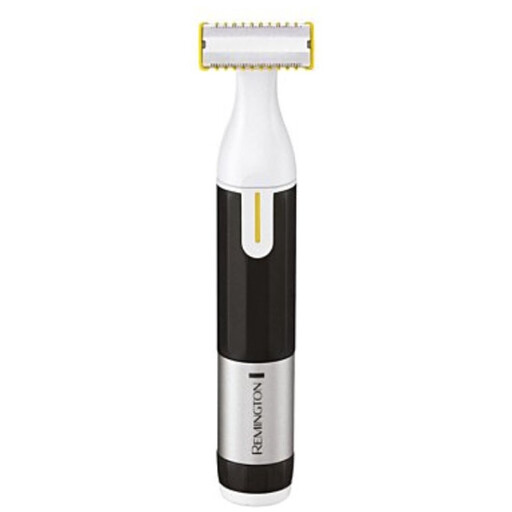
Why it suits this profile: A straightforward electric trimmer for anyone who mainly wants to tidy facial hair and short beards without needing a large kit.
The product information lists seven comb attachments, a range of 1 to 5 mm and up to 40 minutes of cordless use. This makes its key features clear.
Water-resistant according to the product description, with LED indicators and seven combs for shorter lengths.
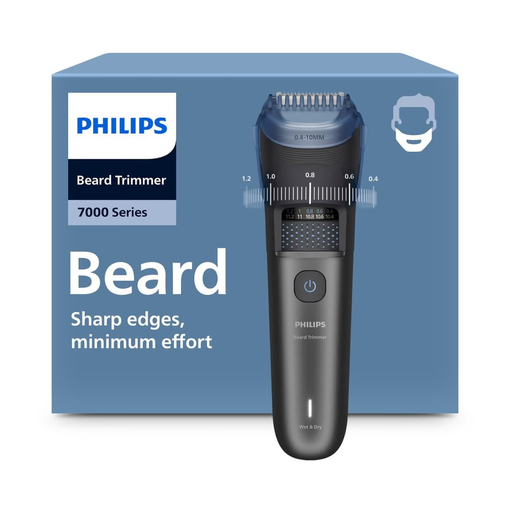
Why it suits this profile: A good choice for anyone who wants precise control over beard length and fewer loose hairs around the sink.
The number of settings, trimming range and cleaning instructions are clearly specified. The hair collection chamber is also a clearly described feature, rather than a vague promise.
40 length settings in 0.2 mm increments, 100% water-resistant according to the product information, and a charging stand included.
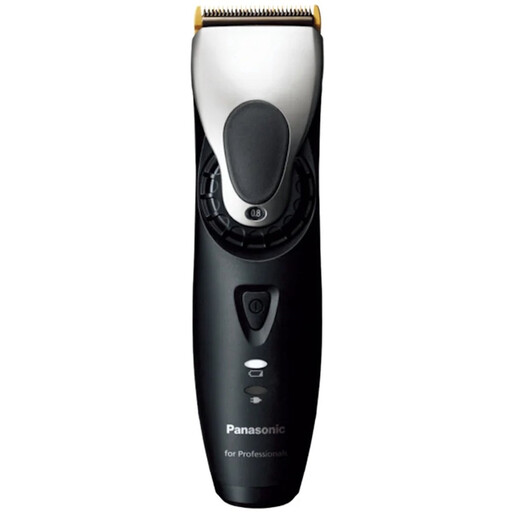
Why it suits this profile: A good fit if you regularly trim your head hair as well as your facial hair and want a model that works both corded and cordless.
The specifications state a runtime of 50 minutes, a charging time of 1 hour and an adjustable range of 0.8 to 2.0 mm. No water resistance is specified, so you can take this into account.
10,000 rpm according to the product information, corded or cordless use, and a weight of 250 grams.
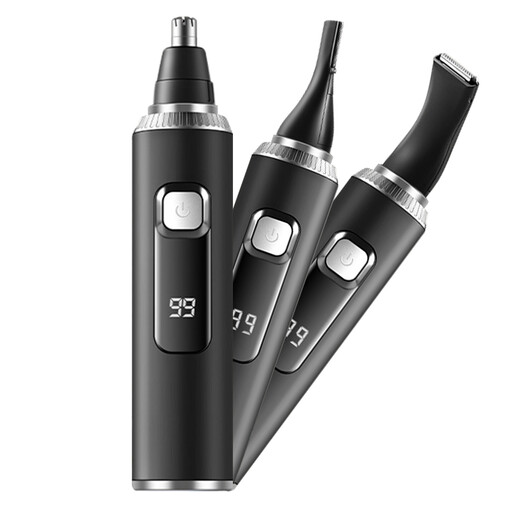
Why it suits this profile: Handy if you want one compact device for nose and ear hair, eyebrows and sideburns.
The set lists three specific heads and a detachable head for cleaning. The IPX7 rating is more informative than simply calling it “waterproof”.
8,500 rpm according to the product information, Type-C charging, an LED battery display and up to 120 minutes of runtime.
We’ve put together a complete, up-to-date list of products that meet these strict selection criteria and the applicable European safety regulations.
Remove hairs from your electric trimmer after every use. Only rinse parts that the instructions say are washable, and dry them before storing the device or connecting it to the charger. If your model needs lubricating oil, apply a small amount to the blades from time to time.
Store the comb attachments with the device so you don’t lose any parts. Replace damaged blades or heads, and don’t use a trimmer on irritated or broken skin. A rechargeable trimmer will generally be easier to maintain if you avoid storing its battery completely flat for long periods.
That depends on the stated IP rating and the instructions. Check whether only the head or the entire casing is water-resistant. Never use a trimmer while it’s connected to the charger in or near water.
Battery life per charge varies considerably. For example, stated runtimes in the range vary from 40 to 180 minutes. The device’s overall lifespan also depends on cleaning, charging habits, blade wear and whether replacement parts are available.
After purchase, running costs are usually limited to electricity and, if needed, replacement blades, foils or attachments. Before you buy, check which parts are available and whether the manufacturer recommends specific maintenance intervals.
