
Vandaag of morgen in huis

Kwaliteit gegarandeerd

Welkomstaanbiedingen ontgrendelen: GRATIS bezorging | Tot 80% korting | Gratis 30 dagen JoyPlus-proefperiode
Download de app
A pair of men’s trainers may seem simple to choose, but small differences can determine whether they stay comfortable throughout a working day, a walk or a training session. A low price says little about the fit, while a familiar brand name doesn’t automatically mean the style is right for your feet or how you plan to use it.
Look out for these three common pitfalls:
For everyday wear, a flexible rubber outsole and even cushioning are practical features. If you mainly walk on tarmac, your needs will usually differ from those of someone who heads out on woodland paths or wet ground.
For men’s sports shoes and training styles, a sturdy, grippy sole is important. For running, you should also consider the weight, flexibility and construction of the midsole. A walking shoe doesn’t need to be the same as a running shoe: stability and grip may matter more than keeping the weight very low.
According to the product descriptions, the PELLIOT styles in this selection use an EVA midsole and a ROCKYTEC rubber outsole. The manufacturer describes this sole as suitable for providing grip on surfaces including wet rocks, mud and sand. Treat this as a product specification, not a guarantee for every surface or personal experience.
An upper made from mesh or textile may feel more breathable than one made entirely from synthetic material. This is particularly relevant if you’re looking for lightweight trainers for commuting, walking or sport. Synthetic leather, on the other hand, may be easier to wipe clean and has a more closed-off look.
Check the lining, too. Some styles have a textile lining, while other running shoes are unlined according to the product information. This can affect airflow, but may also feel different if you have sensitive feet or wear thin socks.
Care is also worth considering with black men’s trainers. Black synthetic material often hides light marks better, while dirt may show up more quickly on textile. Always follow the specific washing instructions. A style described as machine washable may still lose its shape if washed at too high a temperature or put in the tumble dryer.
Laces let you adjust the shoe around your instep. Slip-ons are quicker to put on, but offer fewer ways to adjust the fit yourself. Check whether the product page describes the fit as standard, regular or wide.
If you’re looking for trainers in sizes 42 to 47, it’s best not to search by size alone. The styles in this selection range from EU 37 to 47.5. The PELLIOT size guide, for example, gives foot lengths in millimetres, while several Skechers styles are described as a regular fit. Measure your foot at the end of the day and compare it with the size guide for the specific style.
A fixed insole can be comfortable, but offers less flexibility if you use your own insoles. Check whether the insole can be removed. The insoles in several styles in this selection are not removable.
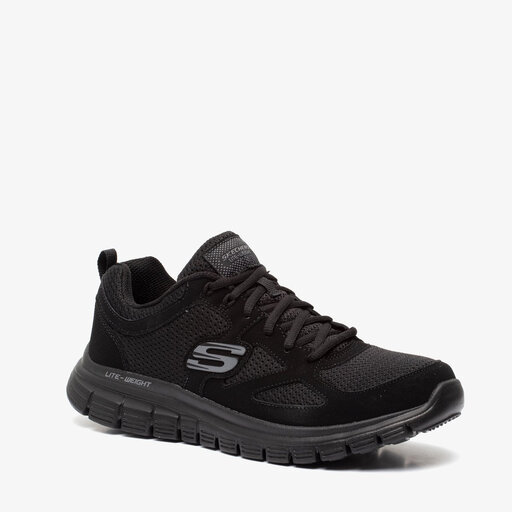
Why it suits this profile: This black style combines a synthetic leather and mesh upper with laces and a heel loop. That makes it suitable for everyday wear and casual outfits.
The product information lists specific materials, a rubber sole and a regular fit. So you don’t have to rely on the general description “comfortable” alone.
Mesh panels, a Memory Foam insole according to the product description, and a rubber outsole. The insole is not removable.
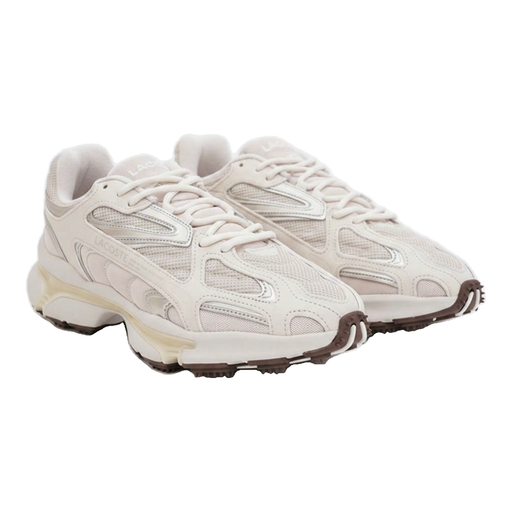
Why it suits this profile: A smart choice if you want to pair sporty details with a polished everyday style. This design has a regular fit and a light colour scheme.
The specifications list an EVA midsole, TPU stabiliser, textile with synthetic overlays and a rubber outsole.
Lightweight EVA midsole, TPU stabiliser, lace fastening and a textured rubber outsole.

Why it suits this profile: This style is designed for running and use on different surfaces. The size guide lists a standard fit for the EU 44 version.
The product page gives foot lengths, material details and care instructions. This makes it easier to check the size and intended use than relying on a general comfort claim alone.
Sandwich mesh and woven upper, EVA midsole and ROCKYTEC rubber outsole according to the product specifications. Hand washing and air drying are recommended.
We’ve put together a complete, up-to-date list of products that meet these strict selection criteria and the current European safety regulations.
Their lifespan depends on how often you wear them, the surface you walk on, your body weight, how well you care for them and the type of shoe. Check the sole for smooth patches, cracks or sections coming away. An insole that has become permanently compressed may also be a reason to replace a pair. Let wet trainers air dry naturally and don’t use direct heat unless the manufacturer says it’s safe.
They can be, but it depends on their construction and how you plan to use them. A running shoe is often lightweight and flexible, while a casual trainer is designed mainly around appearance and everyday comfort. A running style can be practical for short walks and commuting. For intensive training, it’s better to choose a style with a sole and fit clearly suited to that activity.
Measure both feet on a sheet of paper, preferably wearing the socks you usually wear. Use the longer foot as your guide and compare its length with the size chart for the style. Also consider the shoe width and the shape of the toe box. If you’re between sizes, the returns policy and stated fit may help you decide.
