
Vandaag of morgen in huis

Kwaliteit gegarandeerd

Welkomstaanbiedingen ontgrendelen: GRATIS bezorging | Tot 80% korting | Gratis 30 dagen JoyPlus-proefperiode
Download de app
A pair of men’s trainers can seem like a quick choice online. In practice, however, an appealing model may disappoint. An incorrect fit, slippery sole or material that does not cope well with rain often only becomes noticeable after a few walks. So if you are searching for men’s trainers, casual men’s trainers or men’s sports shoes, it is worth looking beyond colour and brand.
PUMA men’s trainers, New Balance men’s trainers, Lacoste men’s trainers, Converse men’s trainers, Skechers men’s trainers and Vans men’s trainers all come in different models. A trainer designed for everyday use is not automatically suitable for running or intensive training. Check the product description for details such as the midsole, tread, fastening and recommended use.
A lifestyle trainer may be comfortable for commuting, but it may lack the stability or cushioning you need for longer runs.
Marketing copy often uses words such as comfortable, lightweight and supportive without providing the details. Instead, look at the material construction, the shape of the toe box, the width and the insole. A model with a textile upper may feel more breathable, while suede and synthetic overlays provide more structure.
Also check size charts in centimetres. EU sizes can vary between brands and models. A stated foot length or insole length gives you more to go on than simply “take your usual size”.
For Dutch conditions, trainers with rubber soles are often practical. Rubber can provide grip and durability, but the tread pattern and composition remain important. A flat sole suits casual use, while a defined tread is better suited to walks on wet pavements or uneven ground.
No sole makes a trainer suitable for every surface. So check the tread and avoid making assumptions based solely on the colour or thickness.
Measure your foot at the end of the day while wearing the socks you normally use. Compare the measurement with the size chart for the specific product. Pay attention to:
With models that have a fixed or thick insole, the available space may feel different from that of a thin casual trainer.
Textile and mesh are often chosen for their lower weight and ventilation. Suede creates a different look and can provide more structure, but it requires different care and protection from prolonged moisture. Synthetic overlays can reinforce the upper.
Always check the washing instructions. Many men’s trainers should not be put in the washing machine. A soft brush or damp cloth is often the recommended method. Allow shoes to air-dry away from direct heat. This helps limit deformation and damage to the glue or material.
The midsole affects how a trainer feels while walking. Product information may mention EVA, foam, IMEVA or ENCAP. These terms describe material constructions, but on their own they do not indicate how a shoe will feel for every wearer.
Also look at the outsole. Rubber is used in many models because it combines grip with durability. For training or light sporting activities, stability, tread and fastening are also important. A shoe described as suitable for running still depends on your running style and the intensity of use.
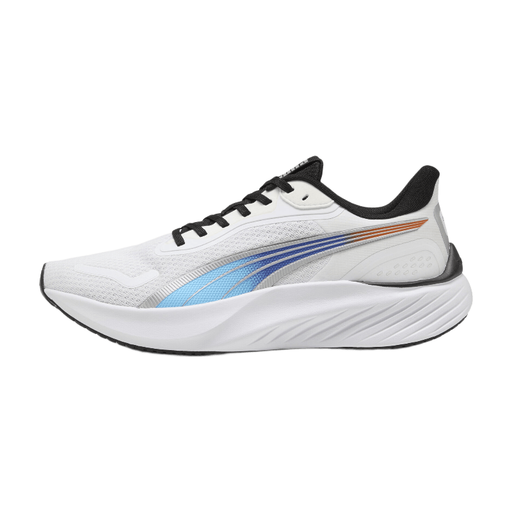
Why it suits this profile: This model combines a sporty look with a textile upper and rubber outsole. According to the product description, the trainer is designed for running, training and everyday use.
The product information mentions a lightweight foam construction, lace fastening and PROTREAD rubber sole. However, check the insole length before ordering.
Textile and synthetic upper; outsole made from 100% rubber according to the product details.
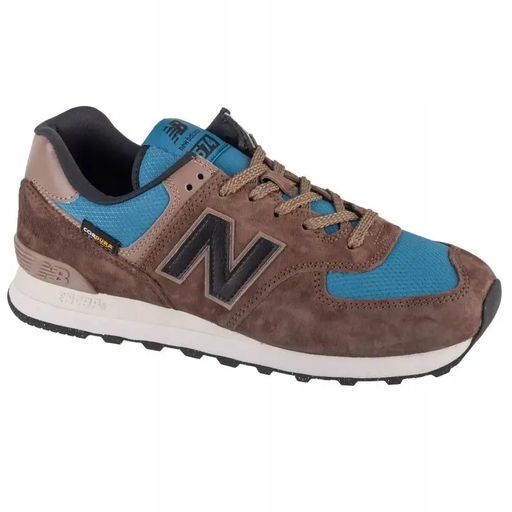
Why it suits this profile: The retro shape works well with casual outfits and everyday city wear. Suede and mesh give this model its distinctive lifestyle look.
The specifications list a combination of suede, breathable mesh, a cushioned midsole and rubber outsole. Suede does require careful maintenance, however.
574 silhouette; rubber outsole for grip according to the product description.
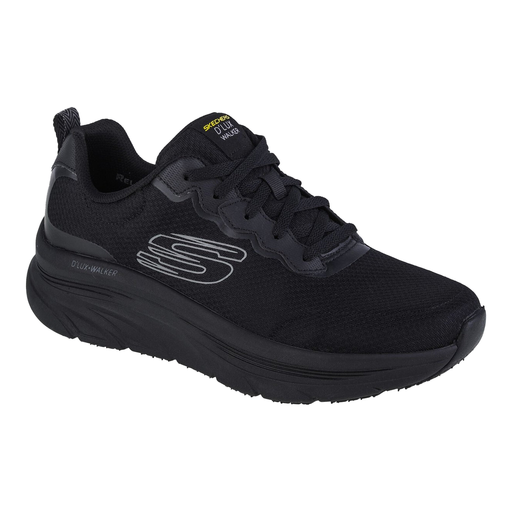
Why it suits this profile: This black low-top trainer has a regular fit, lace fastening and textile upper. That makes it suitable for everyday use and walking.
The product details specify a D shoe width and a rubber sole. This allows you to compare the fit and sole construction in advance rather than relying solely on appearance.
Regular fit; textile upper and rubber sole according to the product specifications.
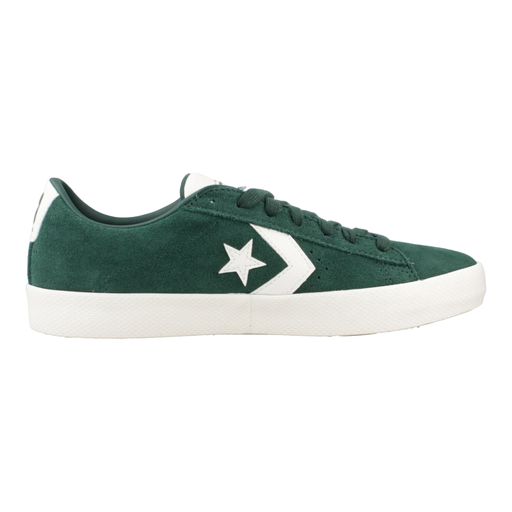
Why it suits this profile: The low profile and green colour with white details work well with casual outfits and everyday wear. The style also suits anyone looking for a skate-inspired trainer.
The description mentions a contoured rubber sole, a low-cut shape and a padded insole. Check the detailed Converse size chart, as it uses US, UK and EU sizes.
Suede upper; vulcanised rubber sole according to the product details.
We have put together a complete, up-to-date list of products that fully meet these strict selection criteria and the applicable European safety regulations.
It varies by brand and model. Measure your foot in centimetres and compare the result with the specific size chart. Some models, such as Converse, show several sizing systems side by side. Do not automatically choose the same size as you would in another brand.
Their lifespan depends on use, body weight, surface, care and material. A pair worn outdoors every day will wear differently from a pair used alternately as lifestyle trainers. Pay particular attention to wear on the rubber tread and the shape of the midsole.
Some models are marketed for running according to their product descriptions, such as a lightweight PUMA model with foam and a PROTREAD outsole. Casual men’s trainers and retro trainers are generally intended for everyday use. For regular or intensive running, fit, stability and tread pattern are more important than appearance alone.
