
Vandaag of morgen in huis

Kwaliteit gegarandeerd

Welkomstaanbiedingen ontgrendelen: GRATIS bezorging | Tot 80% korting | Gratis 30 dagen JoyPlus-proefperiode
Download de app
Searching online for men’s trainers seems simple, until you have to choose between casual styles, men’s sports shoes and technical men’s running shoes. An attractive appearance says little about fit, grip or ventilation. Popular names such as Vans Old Skool, Lacoste trainers and Puma trainers are not automatically suitable for every activity.
Joybuy’s Product Recommendation Officer therefore filters products using verifiable details: materials, sole construction, fit, sizing and intended use. This helps you avoid buying a pair that feels too warm, too narrow or insufficiently stable after just a few weeks.
Many casual trainers have a dynamic shape, but are not designed for repeated running. Check whether the product information mentions a running category, cushioning midsole, suitable outsole and clear sizing details. A trainer for everyday wear is not the same as a racing or training shoe.
An EU size is not identical across every brand. The width of the last, the shape of the toe box and the thickness of the lining all affect the fit. If you are unsure, check your foot length in millimetres or the stated insole length. Some models specify a standard fit, while others have a narrow or wider forefoot.
A brand may describe a shoe as breathable, but practical ventilation depends on the material and construction. Mesh and textile generally allow more air through than a mostly closed synthetic upper. Suede, overlays and a padded tongue can improve durability, but they do not automatically make a shoe suitable for warm weather or long walks.
Measure your foot at the end of the day, when feet often take up slightly more room. Compare the measurement with the size chart for the specific model. Pay attention to:
A shoe that pinches straight away will usually not become comfortable simply by wearing it for longer. Too much room can instead cause your heel to slip.
For everyday use, textile, mesh, canvas and synthetic overlays are common materials. A combination of mesh and suede, as found on certain Lacoste models, can offer a balance between ventilation and support. Canvas models such as the Vans Old Skool have a distinctive casual look, but according to the product information they are not intended to be waterproof shoes.
If you are mainly looking for comfortable trainers for commuting, walking or use around town, look for a padded collar, a soft insole and a flexible sole. On warm days, breathable sports shoes with an open mesh structure are often a more logical choice than fully enclosed models.
The midsole largely determines how the shoe feels. EVA is often used to create a lightweight, responsive feel. Some models combine EVA with TPU for additional structure. A rubber outsole can be useful for everyday wear because of its grip and durability, but the tread remains important on wet pavements and unpaved paths.
Also consider the intended use:
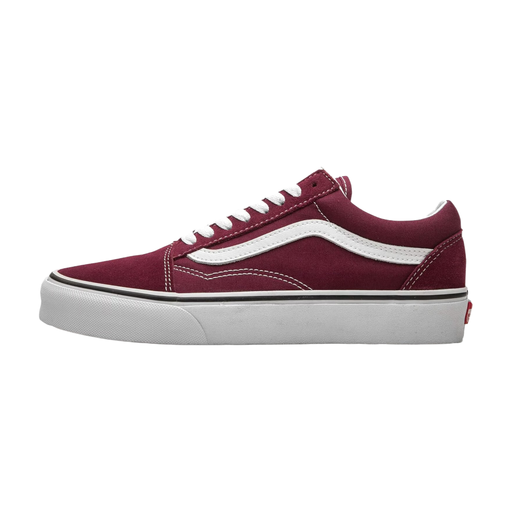
Why it suits this profile: A recognisable casual style for everyday wear, walking and streetwear. The low-cut design and lace fastening make it easy to adjust the fit.
The product information describes the model as suitable for everyday use and lists textile and rubber for the upper, lining and sole. So expect a casual trainer, not a running shoe.
Textile upper, rubber sole and classic low-cut shape. Available in a specific size option.
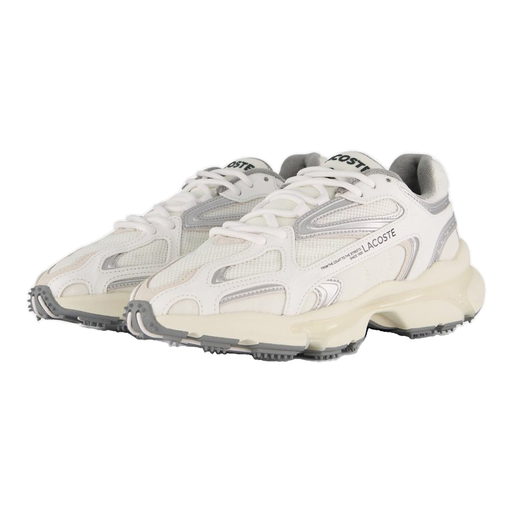
Why it suits this profile: A lifestyle model for anyone who values materials and details as much as appearance. The product description lists mesh, suede, synthetic overlays, an EVA midsole and an OrthoLite insole.
The construction is clearly specified. This means you can assess ventilation, reinforcement and cushioning without relying on marketing language alone.
Mesh and suede with synthetic overlays; EVA midsole, OrthoLite insole and rubber outsole.
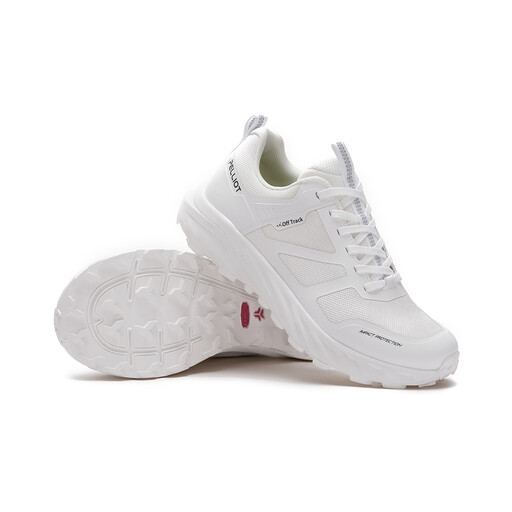
Why it suits this profile: Designed for users who alternate between tarmac, paths and outdoor activities. The product information lists sandwich mesh, an EVA midsole and a ROCKYTEC outsole.
The model specifies both the fit and foot lengths in the size chart. This makes it easier to compare a standard or narrower option more accurately.
Lightweight mesh and woven upper; EVA midsole and rubber outsole for use on different surfaces.
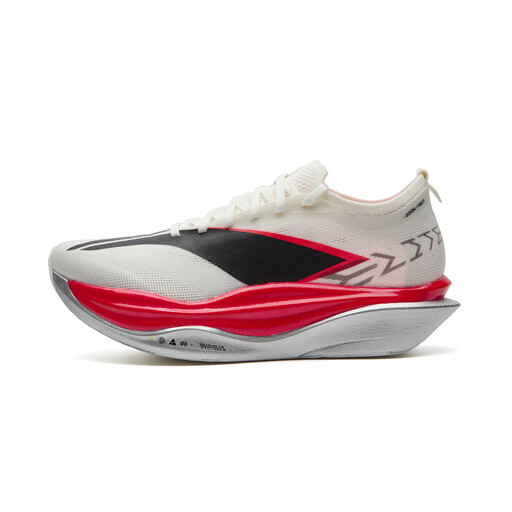
Why it suits this profile: Intended for road races and users specifically looking for a racing running shoe. According to the product description, the model has a carbon plate, BOOM midsole and close-fitting design.
The product page makes clear that this is a performance model with a snug racing fit. This prevents you from confusing it with a wide casual trainer.
BOOM FIBER upper, carbon plate, GCU outsole and a stated racing-oriented fit.
We have compiled a complete, up-to-date list of products that fully meet these strict selection criteria and the applicable European safety regulations.
The lifespan of trainers depends on use, the surface and maintenance. After a wet walk, allow your shoes to dry at room temperature and do not use direct heat. Clean them according to the care label; several of the models mentioned recommend hand cleaning and advise against using a washing machine.
Rotate your shoes if you wear them every day. This allows the inside to dry and helps the shoes retain their shape for longer. Also check the sole, seams and heel lining regularly. If there is clear wear or the fit has changed, replacing the shoes is more sensible than judging them solely by their appearance.
Casual trainers with a rubber sole, an adjustable lace fastening and a suitable upper are generally practical for work, shopping and use around town. Vans Old Skool, Lacoste trainers and Puma trainers fall into this category, but check the size and material for each model.
Look for a suitable racing or training category, cushioning, weight, grip and fit. A shoe with a carbon plate or a very close-fitting last is not automatically suitable for every runner. Use the size chart and choose a model that matches your running experience and training goals.
First remove dry dirt with a soft brush. Then clean them with a slightly damp cloth and a mild product suitable for the material. Do not use bleach and avoid high temperatures. Suede, leather and textile may each require different care instructions.
