
Vandaag of morgen in huis

Kwaliteit gegarandeerd

Welkomstaanbiedingen ontgrendelen: GRATIS bezorging | Tot 80% korting | Gratis 30 dagen JoyPlus-proefperiode
Download de app
If you’re looking for men’s trainers in size 40, you’ll soon come across dozens of similar-looking models. However, trainers for everyday wear differ considerably from men’s running shoes, men’s walking shoes and men’s basketball shoes. A low price or recognisable logo tells you little about the fit, grip and durability you actually need.
This practical guide will help you avoid buying a pair that feels tight after a few weeks, provides too little support or turns out to be unsuitable for your activity.
An EU size is not exactly the same for every brand. The shape of the last, the room for your toes and the width also affect the fit. Always check the foot length in centimetres or the size chart for the specific model. On some models, size 40 corresponds to an inner length of around 25.5 cm, but this is not a universal rule.
Do you wear thicker sports socks or have a wider forefoot? If available, going up half a size may feel more comfortable.
Men’s casual trainers are designed for everyday wear, school, work or light walks. They do not automatically provide the cushioning, torsional rigidity or grip you need for running, training or field sports. A flat rubber sole may feel comfortable on the street, but it does not always offer enough traction on grass, gravel or a sports court.
So choose the use case first, and only then decide on the colour or brand. This prevents you from using a fashionable trainer for an activity it was not designed for.
Terms such as “extra comfortable”, “lightweight” or “durable” are only useful when you can link them to product information. Look at the upper material, sole construction, fastening type and care instructions.
According to PUMA’s own product description, the uppers of the Pounce Lite models contain at least 30% recycled materials. This tells you something about the choice of materials, but it does not automatically indicate the shoe’s lifespan or performance.
For men’s trainers in size 40, the combination of EU size, inner length and foot width matters more than the number on the label. Pay attention to the following:
Skechers lists size 40 with a D width and regular fit for various models. This is verifiable information, but the experience may differ from one foot to another.
The outsole determines how suitable a shoe is for a particular surface. Rubber generally offers durability and grip, but the tread pattern and compound are at least as important.
For everyday wear, a flatter tread is often sufficient. For men’s walking shoes and men’s trail running shoes, a deeper or varied tread is more practical. For field sports, pay attention to the specific sole type. According to the product description, the Nike Huarache 9 Varsity Lax has an FG stud configuration for natural grass. This makes it a more targeted choice for lacrosse than an ordinary trainer.
For walking or standing for long periods, a padded insole can be comfortable. For running, cushioning, weight, flexibility and a firm heel area are also important. For basketball, stability during lateral movements and grip on an indoor court are key.
The material affects care requirements:
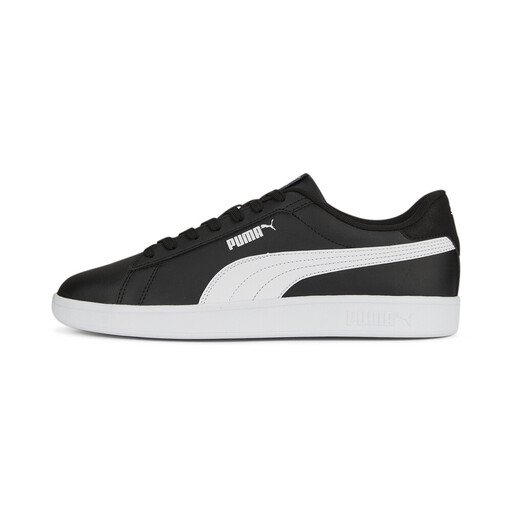
Why it suits this profile: A versatile model for everyday wear, shopping and casual outfits. The regular fit and lace-up fastening make it easy to adjust.
The product description lists a regular fit, round toe and rubber outsole. This makes the shoe’s intended use clearer: everyday wear rather than intensive running training.
SOFTFOAM+ insole with an extra-thick heel; upper made from 54.75% leather, 42.46% synthetic material and 2.79% textile.
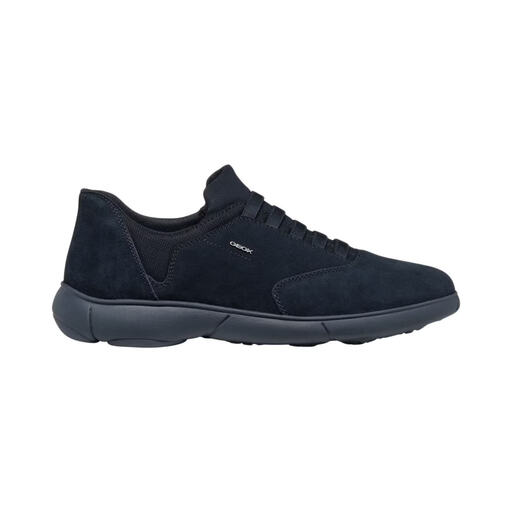
Why it suits this profile: Suitable for anyone looking for a smart, sporty trainer for the office, city wear and longer days on the move.
The material composition is specified: 62% calf suede and 38% textile mesh. The shoe is therefore not entirely synthetic; bear the specific care requirements in mind.
Perforated sole according to the product description; combination of suede, mesh and a rubber outsole.
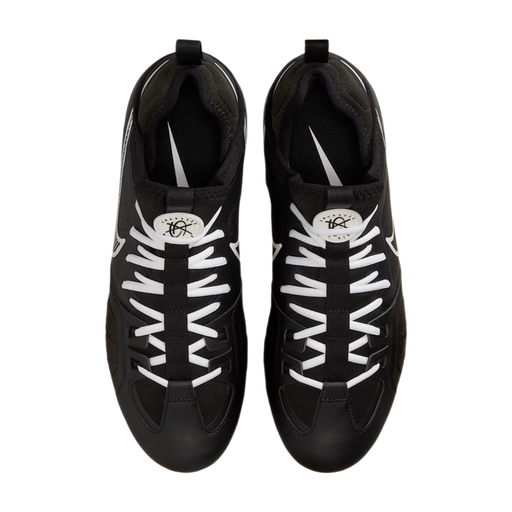
Why it suits this profile: For lacrosse on natural grass, where grip, a secure fit and quick changes of direction are important.
The FG studs are specifically listed for natural grass. This makes the intended use clearer than with a general trainer featuring a flat sole.
Synthetic upper; foam midsole; rubber outsole and lace-up fastening for a secure fit.
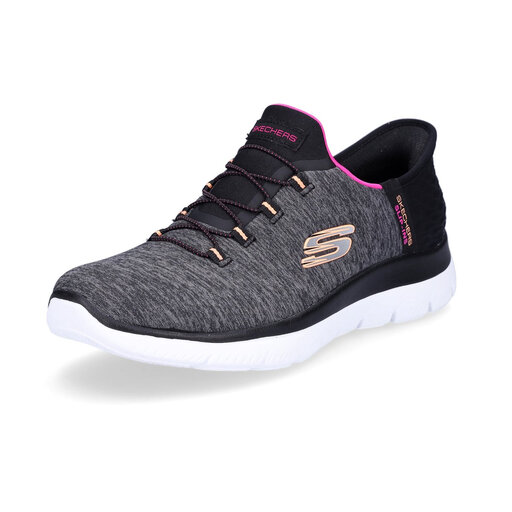
Why it suits this profile: A practical option for everyday walking, travel and light training. The slip-on design is convenient when you want to put your shoes on quickly.
The product information mentions a regular fit, integrated stretch laces and a flexible outsole. This allows you to weigh up the features against your own needs.
Textile upper; rubber outsole; removable insole and, according to the product description, a machine-washable design.
For running on tarmac, look for models with a lightweight construction, foam midsole and outsole with sufficient tread. The PUMA Pounce Lite in size 40 lists a PROTREAD outsole, textile lining and an upper made from textile and synthetic material. If you mainly run on unpaved paths, men’s trail running shoes with a pronounced off-road tread will be more suitable.
For walking in wet conditions, you could consider the Salomon XA Pro 3D v9 GTX. According to Salomon’s product description, this model features a GORE-TEX membrane, 3D Advanced Chassis, Quicklace and a Contagrip rubber outsole. Please note: the available model is size 41 1/3, so it is not included in this selection of size 40 shoes.
For basketball, Li-Ning models with a dedicated basketball sole, cushioning and stability construction are more relevant than ordinary men’s trainers in size 40. Check the available size, as the Way of Wade 12 version mentioned is EU45.
Lifespan depends on use, body weight, surface and care. Do not use running shoes for everyday walking for months if the midsole has visibly collapsed. Allow wet shoes to dry at room temperature and avoid radiator heat. Clean suede with a suitable brush and treat textile materials according to the care label.
Store shoes in a dry place and, if possible, alternate between two pairs. This gives the materials more time to dry and helps the shoes retain their fit for longer.
We’ve compiled a complete, up-to-date list of products that fully meet these strict selection criteria and the applicable European safety regulations.
Check the model’s size chart and inner length. Your toes should not touch the front, and your heel should remain largely in place as you walk. Ideally, try shoes on with the socks you normally wear.
That depends on the model. For running, choose men’s running shoes with suitable cushioning, a flexible construction and an outsole suited to tarmac, track or trail. Men’s casual trainers are not automatically suitable for repeated running loads.
There is no fixed timeframe. Look for visible wear, a tread that has become smooth, cracks in the upper and reduced cushioning. With intensive sports use, men’s sports shoes generally wear out faster than trainers worn only for everyday use.
