
Vandaag of morgen in huis

Kwaliteit gegarandeerd

Welkomstaanbiedingen ontgrendelen: GRATIS bezorging | Tot 80% korting | Gratis 30 dagen JoyPlus-proefperiode
Download de app
When buying men's trainers and running shoes, most people look at colour, brand and discount first. That's understandable, but it tells you very little about how a shoe will perform during a long day at work, a quick run or a walk on wet paths. A bit of careful checking beforehand can save you from a bad purchase.
A lifestyle model such as black trainers for men, the Adidas Samba OG or the Adidas Gazelle Indoor can look great with a casual outfit. However, these shoes aren't automatically suitable for running. A flat rubber cup sole, limited cushioning and a less breathable lining are fine for everyday wear, but they're not ideal for repeated running impact.
A soft insole doesn't automatically mean the whole shoe is right for your needs. You should also check the midsole, heel construction and outsole. A model with memory foam might feel comfortable when you try it on, but a running shoe needs to suit the surface, distance and level of stability you require.
Sizes vary between brands and models. A EU size 44 isn't exactly the same length in every shoe. So measure both feet at the end of the day and compare your foot length with the product's size guide. Also pay attention to width: a standard fit can feel tight on a wide forefoot, while a roomy men's trail running shoe might not hold a narrow foot securely.
First, make a distinction between:
An Adidas Samba OG or Gazelle Indoor, for example, suits an urban wardrobe. For running, models like the Adidas Adizero Boston 13, Supernova Ease or Ultrarun 5 are more logical choices to compare.
Look at the material used, not just the marketing terms. In the product information you'll find, for example:
According to adidas's product description, these constructions are designed for a specific running experience. Treat this as the brand's product information, not a guarantee of a particular result. Fit, running style and surface remain the deciding factors.
A mesh upper can improve air circulation, while leather or synthetic leather usually gives a more closed construction. Also check the outsole:
Also think about care. Many models should be cleaned with a damp cloth and left to air dry. A washing machine can damage glue, foam and shape.
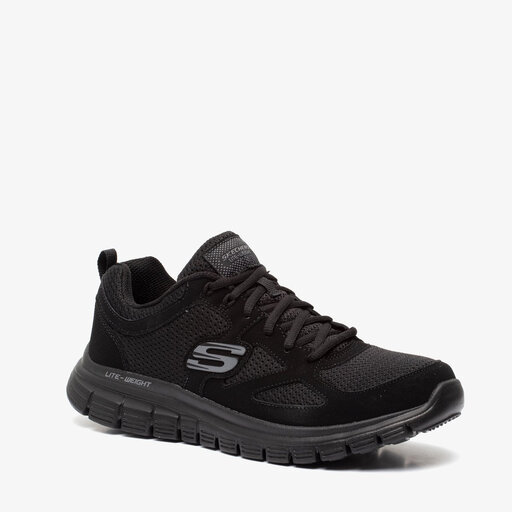
Why this fits the profile: A practical black trainer for daily wear, with a standard width and lace-up closure for adjustment.
The product information mentions mesh inserts for ventilation and a flexible rubber sole. So you can see exactly what you're buying, rather than just a comfort claim.
Memory Foam insole, synthetic leather with mesh and rubber outsole.
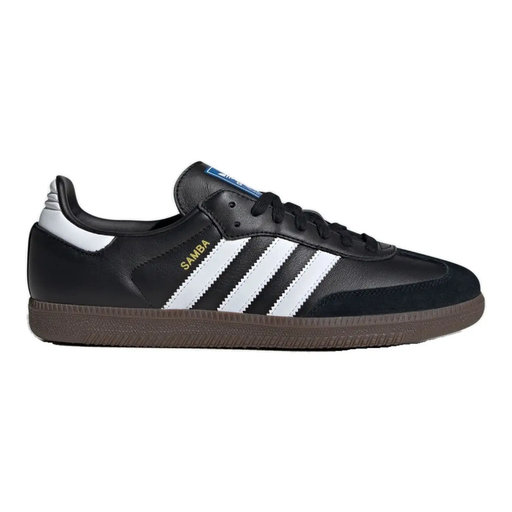
Why this fits the profile: For those who value materials, recognisable design and a versatile black finish for everyday outfits.
The specifications list the leather upper, suede overlays, textile lining and rubber cup sole. This makes it clear that it's a lifestyle model, not a running shoe.
Leather upper with suede details, adjustable lace closure and rubber cup sole.
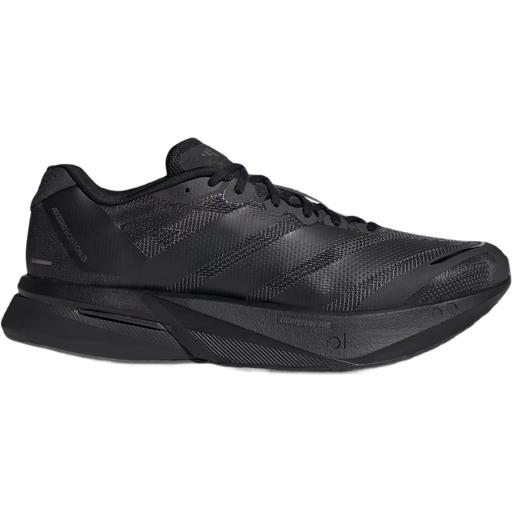
Why this fits the profile: Aimed at runners looking for a lightweight training shoe for intensive sessions and pace-building.
The shoe is clearly described as a running model, not a general trainer. The product description mentions a mesh upper, Lightstrike Pro and ENERGYRODS.
Textile upper, Lightstrike Pro midsole and Lighttraxion outsole with Continental Rubber according to the product specifications.

Why this fits the profile: For users who switch between tarmac, park paths and uneven terrain, and therefore need ventilation and a treaded sole.
The product information explicitly mentions a trail-focused rubber sole, mesh and different fits. Just check that the version you choose has the stated sole variant.
Lightweight mesh, EVA midsole and ROCKYTEC rubber according to the product description; available in multiple sizes.
We've put together a full, up-to-date list of products that fully meet these strict selection criteria and current European safety regulations.
For a daily running routine, the Adidas Supernova Ease is worth a look thanks to its mesh upper, full Dreamstrike midsole and rubber studs. The Adidas Ultrarun 5 combines mesh, Bounce 2.0 and an Adiwear rubber outsole, according to the product information. If you're mainly after an entry-level model with a simple silhouette, you could check out the Adidas Run 70s 2.0.
For easy on-and-off, Skechers men's shoes like the Slip-Ins Summits are an option. This model has a textile upper, Air-Cooled Memory Foam and a treaded outsole. With any choice, check whether “memory foam” gives you enough support; it's still an insole material, not a replacement for a proper running construction.
The lifespan depends on how often you use them, your body weight, running style, surface and how well you look after them. Regularly check the tread for wear, the upper for tears and the midsole for distortion. A trainer worn every day will wear out differently from a pair used only for short walks.
You can, but it's not always practical. Running shoes often have a sportier look and softer or more specifically shaped cushioning. For the office, cycling and errands, casual models are sometimes more suitable. Use a running shoe mainly for what it's built for, and rotate pairs if you walk a lot.
Measure both feet barefoot on a sheet of paper, preferably at the end of the day. Take the longest measurement and compare it with the product's size guide. For running, leave a bit of room at the toes, but make sure your heel doesn't slip. As well as length, also look at the stated width and fit.
