
Vandaag of morgen in huis

Kwaliteit gegarandeerd

Welkomstaanbiedingen ontgrendelen: GRATIS bezorging | Tot 80% korting | Gratis 30 dagen JoyPlus-proefperiode
Download de app
Buying a new pair of shoes seems straightforward, until you have to choose between cushioning, grip, fit and style. Marketing terms such as “lightweight”, “breathable” and “all-terrain” sound appealing, but they don’t always tell you enough about how a shoe will perform day to day. This guide helps you compare men’s trainers and running shoes using features you can check, so you’re less likely to pay for things that don’t suit the way you’ll use them.
Running shoes are designed around cushioning, flexibility and movement. That doesn’t automatically make them suitable for standing for long periods, working in an office or walking along wet city streets. Conversely, a casual style often offers less support for repeated running. So first decide whether you’ll mainly be walking, going to the gym, running or looking for shoes to complete an outfit.
A mesh upper can feel light and airy, but the sole also affects grip, cushioning and durability. A trainer with a thick sole isn’t necessarily more comfortable. Check the connection between the upper and sole, the tread pattern and how flexible the forefoot is, too.
Sizing varies by brand, model and fit. Check your foot length in centimetres and compare it with the size guide for the specific product. For running, a little extra room at the toes is often useful, while a low-profile retro trainer can usually fit more closely around the foot. So when searching for size 42 trainers or size 44 trainers, don’t rely on the European size number alone.
Measure both feet at the end of the day, wearing the socks you’d normally use. Use the longer foot as your guide. Check the width as well as the length. According to the product information, PELLIOT models are available in standard and slim-fit options. This is useful if you have a regular or narrower foot, respectively.
An adjustable lace fastening helps you adapt the fit around your instep. A shoe that fits well around the heel but pinches your toes isn’t a good choice, even if the length is right.
The midsole affects how a shoe feels when walking and running. Adidas lists a full-length Dreamstrike midsole with soft cushioning for the Supernova Ease. The Ultrarun 5 is listed with Bounce 2.0. These are brand names for specific foam materials; how they feel in practice still depends on your body weight, running style and personal preference.
A lightweight midsole can feel comfortable for everyday use. For trail running, stability and grip are just as important as cushioning. A soft sole isn’t automatically suitable for loose surfaces.
If you’re looking for breathable running shoes, check for mesh, sandwich mesh and a textile lining. These materials can help improve airflow, but they wear and get dirty differently from leather or synthetic leather. So check the care instructions, too.
Many models in this selection aren’t suitable for machine washing. According to the product information, shoes such as the adidas Run 70s 2.0 and adidas Supernova models should be cleaned with a damp cloth and left to air-dry. This helps prevent damage from heat or harsh cleaning products.
For asphalt, paving and shopping streets, a rubber outsole with a relatively flat tread is often enough. A more pronounced tread is useful for woodland paths, mud or wet stones. PELLIOT trail running shoes are listed with a ROCKYTEC rubber sole. Some versions are also said to feature Vibram Megagrip in the product description; always check this for the specific version you’re considering.
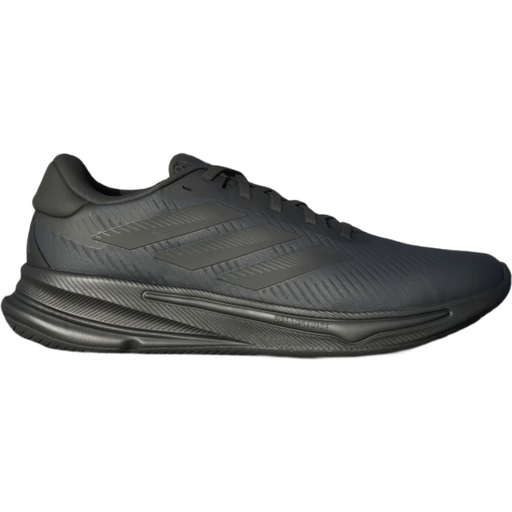
Why it suits this type of user: A model for anyone new to running who wants an everyday running shoe for short to medium distances.
The size information gives the foot length and describes the fit as regular. The mesh upper and lace fastening make the key fit details clear.
Dreamstrike midsole, breathable mesh and rubber studded outsole, according to the product description.
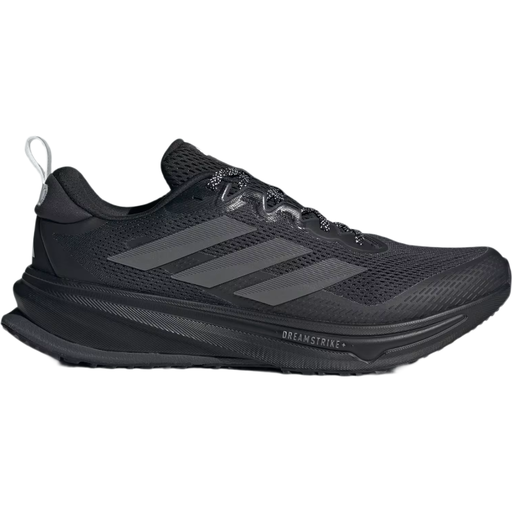
Why it suits this type of user: For anyone looking for an adidas Supernova running shoe with a sporty look and features suited to a range of everyday activities.
The ATR construction, adjustable laces and material composition are all clearly listed, so you don’t have to judge it by its appearance alone.
Textile and synthetic materials, a rubber outsole and a padded insole, according to the product specifications.
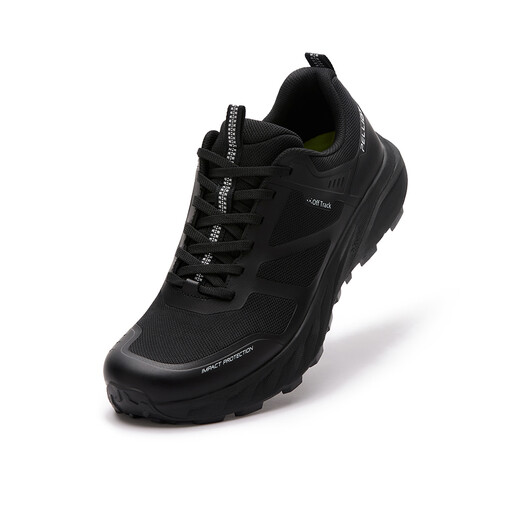
Why it suits this type of user: Designed for runners who combine road running with off-road trails and want a pair of lightweight trail running shoes.
The product information lists foot lengths, standard and slim-fit options, and a specific rubber sole. Do check whether your chosen version has the sole type mentioned.
Sandwich mesh, an EVA midsole and ROCKYTEC rubber, according to the product description; designed for a range of surfaces.
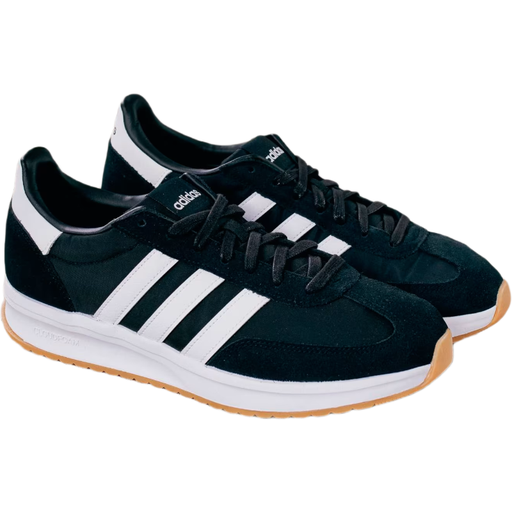
Why it suits this type of user: A practical choice for men looking for retro trainers to wear with jeans, chinos and for everyday use around town.
This model is intended as a casual trainer rather than a specialist running shoe. The size information lists a foot length of 28 cm.
Synthetic leather with textile, a flexible rubber sole and a 1970s-inspired design, according to the product information.
We’ve put together a complete, up-to-date list of products that meet these strict selection criteria and the applicable European safety regulations.
That depends on the model. According to the product information, the Supernova Ease and Supernova Rise are designed for running and offer features such as a mesh upper and cushioning. If you’ll only be wearing them day to day, a casual model such as the adidas Run 70s 2.0 may be more practical. Choose based on the surfaces and activities you’ll use the shoes for most often.
Their lifespan depends on how often you run, your body weight, the surfaces you run on, how well you care for them and how much the sole has worn down. Look for a smoother tread, cracks in the upper or a compressed midsole. There’s no set lifespan that applies to every pair. After intensive use, don’t replace your shoes just because a certain date has passed; check their visible condition and how they feel instead.
A lighter shoe can feel good over longer distances, while comfort is mainly down to fit, cushioning and stability. Lightweight running shoes aren’t automatically more comfortable. Fit should always come first: a well-fitting shoe that’s a little heavier may suit you better than an ultra-light model that pinches or doesn’t offer enough grip.
