
Vandaag of morgen in huis

Kwaliteit gegarandeerd

Welkomstaanbiedingen ontgrendelen: GRATIS bezorging | Tot 80% korting | Gratis 30 dagen JoyPlus-proefperiode
Download de app
Choosing a new pair of men's trainers seems straightforward, until you start comparing different soles, fits and terms such as “extra cushioning” or “lightweight”. A casual trainer for your commute has different requirements from men's running shoes or trail running shoes.
Most disappointing purchases come down to three common pitfalls:
A standard fit, often labelled D for men's models, suits many feet. If you have wider feet or want to wear thicker sports socks, check whether the model has a roomy toe box or comes in a wider fit.
Measure your feet at the end of the day. Stand on a piece of paper, measure from your heel to your longest toe, then compare the larger measurement with the product's size chart. A little extra toe room is useful in running shoes, as your feet can swell during longer runs. Don't automatically size up: a loose heel can cause rubbing.
For comfortable trainers for everyday wear, a soft insole may be enough. Models with Memory Foam are described as offering extra comfort in the insole, but that doesn't automatically mean the whole shoe is suitable for running.
When choosing lightweight running shoes, pay particular attention to:
According to adidas' own information, the Supernova models feature Dreamstrike or Dreamstrike+ foam. That's a product specification, not a guarantee that every wearer will have the same experience. For recreational running, choose a model with a stable, comfortable base. A more responsive model may be a better fit for speed training, but it may feel less forgiving when you're walking at an easy pace.
For Dutch streets, cycle paths and gyms, a rubber outsole with a moderate tread is often enough. If you'll be running on unpaved paths, in mud or over wet stones, look for a pronounced tread and a sole designed for mixed terrain.
Check the care instructions too. Many performance models aren't machine washable. A damp cloth, mild soap and air-drying at room temperature are generally safer for mesh, synthetic materials and glued seams. Always follow the care label or the manufacturer's instructions.
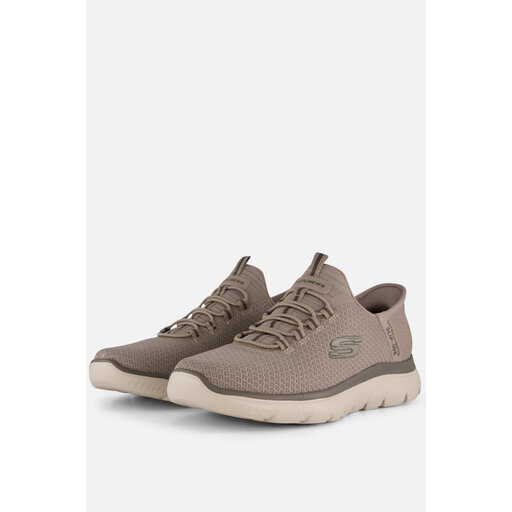
Why it suits this need: An easy-to-wear option for everyday use, shopping and light walks. The slip-on design is handy if you don't want to keep tying laces.
The product details specify a standard fit, a treaded sole and a breathable upper. This makes it clearer what the model is designed for: casual wear, not intensive running sessions.
Slip-on design, synthetic upper, rubber sole and a treaded outsole.
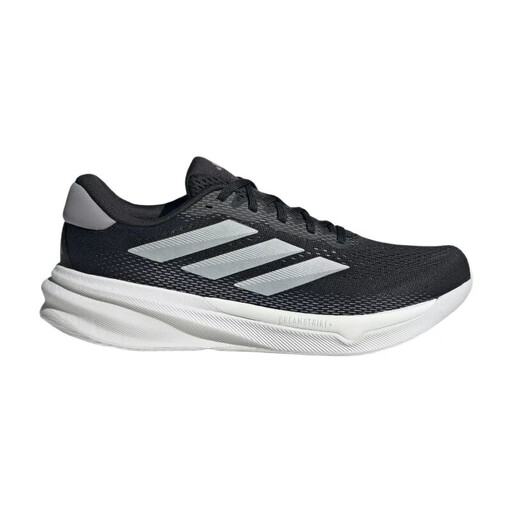
Why it suits this need: Designed for runners looking to build up their training and who value a breathable upper, cushioning and a rubber outsole.
The description specifies a Dreamstrike+ and EVA midsole, mesh and an Adiwear rubber outsole. This lets you compare the cushioning and grip by their components, rather than relying on vague marketing terms.
Breathable mesh, hybrid midsole, Adiwear rubber and a construction designed for training.
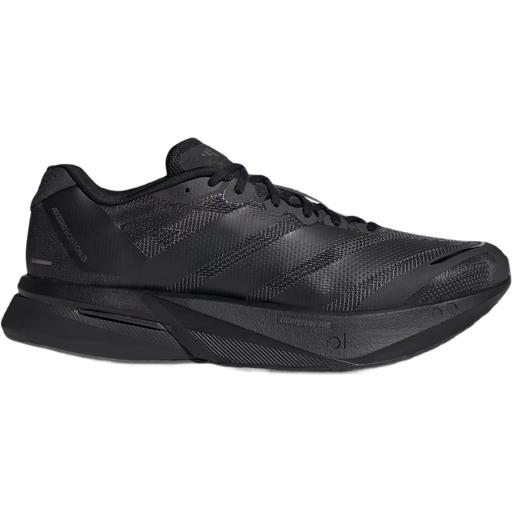
Why it suits this need: For runners who prioritise speed training and race preparation, and are looking for a lightweight running shoe with a close fit.
The model is specifically described as being for intensive training. That makes its intended use clearer than it is with general casual trainers.
Lightstrike Pro midsole, ENERGYRODS, breathable textile and Lighttraxion with Continental Rubber, according to the product information.
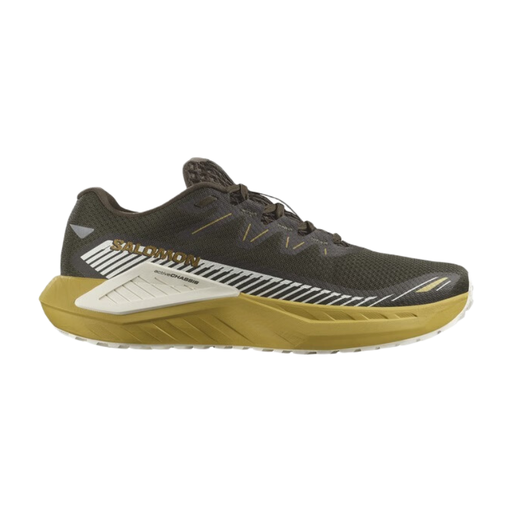
Why it suits this need: A good choice for gravel paths, walks and trail running, where grip and stability matter more than a smooth city sole.
The product description specifically mentions gravel and mixed terrain. So you won't be choosing this model based on the look of a sports shoe alone.
Active Chassis, Energy Foam and an All Terrain Contagrip sole, according to the product information.
We've put together a complete, up-to-date list of products that meet these strict selection criteria and the applicable European safety regulations.
Their lifespan depends on how you use them, the surface, your body weight, how well you care for them and whether you rotate between multiple pairs. Look out for wear on the tread, tears in the upper and compressed cushioning. Intensive running can mean you'll need to replace them sooner than you would with a pair worn for your daily commute.
Only if they're designed for it. Check the midsole, flexibility, fit and outsole. Casual men's trainers with Memory Foam can feel comfortable for walking, but they aren't automatically suitable for the repeated impact of running.
Measure your feet first, check the specific size chart and read the returns policy. Consider care requirements too: a model that can only be cleaned by hand needs more attention than one with an easy-to-wipe upper. That way, you're comparing more than just the purchase price: you'll also know what to expect from everyday use over the longer term.
