
Vandaag of morgen in huis

Kwaliteit gegarandeerd

Welkomstaanbiedingen ontgrendelen: GRATIS bezorging | Tot 80% korting | Gratis 30 dagen JoyPlus-proefperiode
Download de app
A pair of men’s trainers may look comfortable and versatile in a product photo, but that doesn’t automatically mean they’re right for how you plan to use them. A soft sole for everyday wear, for example, isn’t the same as a shoe with grip for muddy woodland paths. Size, fit and materials can also become more noticeable after a few hours than during a quick try-on.
If you’re buying men’s trainers online, it’s worth looking beyond the brand or appearance. Pay particular attention to how you’ll use them, the sole, the upper material and the sizes available.
Many models are described as suitable for sport, leisure and outdoor use. In practice, each activity has different requirements:
So first consider where you’ll usually wear your shoes. A compromise can work well for outdoor and everyday use, but for more intensive activities, a specialist model often makes more sense.
Words such as “comfortable”, “durable” and “waterproof” don’t tell you much without technical details. Look for specific product information:
Don’t treat performance claims as guaranteed results. For example, the product description for the Salomon XA Pro 3D v9 GTX lists a GORE-TEX membrane and Contagrip sole. These are verifiable product features, but your experience will also depend on the terrain, care and fit.
A size 44 trainer won’t fit identically across every brand or model. Even when a product is described as “true to size”, the toe room can feel different depending on the last, lining or width.
If you’re unsure, measure both feet at the end of the day and compare the results with the product’s size chart. Wear the socks you’ll use for walking or running when you measure. If you have a wider forefoot, you may need extra room, but shoes that are too big can slide around when you’re walking downhill.
A rubber outsole may be suitable for tarmac, the gym and everyday wear. For woodland or rocky paths, the tread and material are just as important. A deeper tread may give you more grip on loose ground, while a flatter tread is often more comfortable on pavements.
Bear in mind that grip doesn’t mean complete slip resistance in every condition. Wet leaves, smooth tiles and mud can still be hazardous.
For longer walks or trails, cushioning isn’t the only thing that matters. A sturdy heel construction, secure lacing and a stable midsole can help keep your foot in place. For example, the Salomon XA Pro 3D v9 GTX product specifications list a 3D Advanced Chassis and Quicklace system.
For relaxed everyday wear, a more flexible shoe may feel more comfortable. Choose more support if you often walk on uneven paths or carry a full rucksack.
Textile can be breathable, but it isn’t automatically waterproof. Look for a clearly specified membrane or another waterproof construction. Also check the seams, tongue and shoe height. Waterproof men’s walking shoes may not keep rain out if water runs in over the ankle.
A waterproof membrane may also feel warmer than an open mesh upper. For summer walks in town, ventilation may therefore matter more than maximum rain protection.
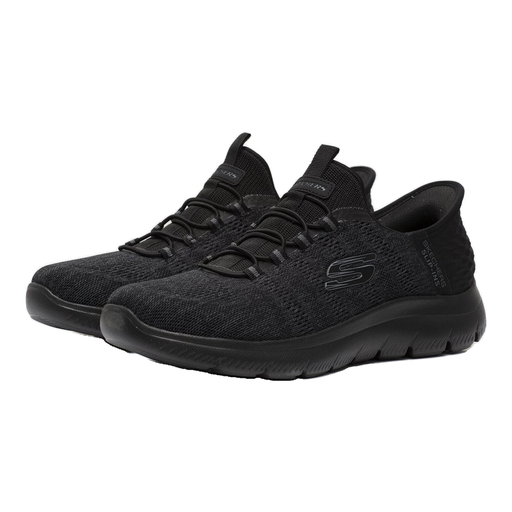
Why it suits this profile: A slip-on model for everyday wear, light gym sessions and casual outfits. The fixed insole and regular fit make it a straightforward choice if convenience is your priority.
The product information clearly specifies a textile upper, rubber outsole and size 44 in a regular fit. This helps you avoid mistaking a casual model for a technical trail shoe.
Air-Cooled Memory Foam insole, according to the product description, slip-in design and rubber outsole with a tread pattern.

Why it suits this profile: Designed for walkers and trail runners who regularly tackle wet, uneven or technical paths and value specific construction features.
The product page specifies the GORE-TEX membrane, 3D Advanced Chassis, Contagrip sole and Quicklace system, rather than relying on general comfort claims.
GORE-TEX waterproof membrane according to the product description, technical stability construction and rubber Contagrip outsole.
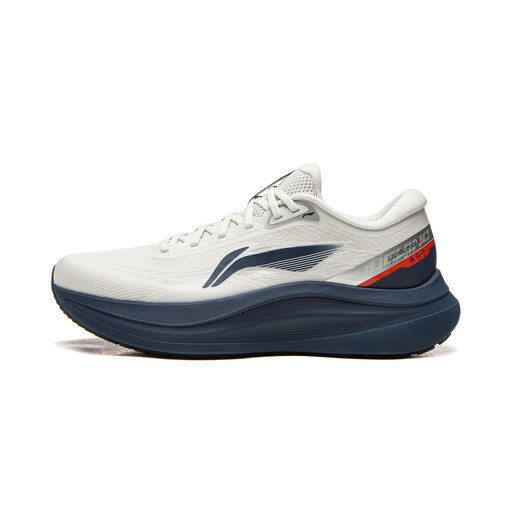
Why it suits this profile: An option for runners looking for extra room in the toe area and a structured running shoe. The stated size is EU44 1/3.
The product description specifies a wide toe box, rubber outsole and a fit designed for those who want more room around the toes. Always check this against your own foot measurements.
Tempo Bounce midsole according to the product information, PROBAR LOC support and a wider toe box.
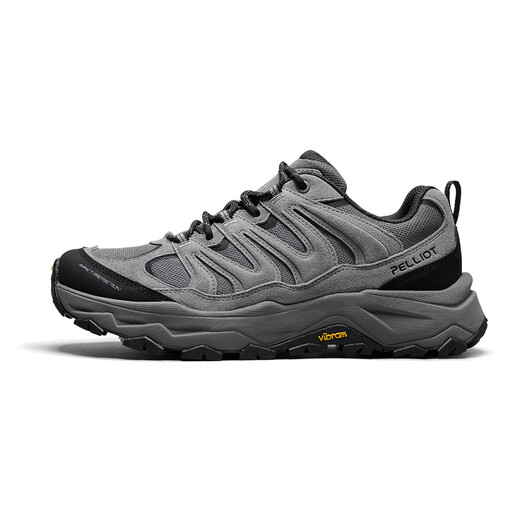
Why it suits this profile: Designed for walking and mountain terrain, in EU44 for those looking for a sturdier outdoor shoe.
The product name specifies a Vibram outsole and use for hiking and mountaineering. Check the full size and material information before buying.
Vibram outsole according to the product name, outdoor design and EU44 size available.
We’ve put together a complete, up-to-date list of products that meet these strict selection criteria and the applicable European safety regulations.
Check these points before you pay:
It depends on how often you wear them, your body weight, the terrain, care and storage. A pair worn every day will wear out faster than shoes used for occasional walks. Replace them when the sole becomes visibly smooth, the heel structure is misshapen or the fit no longer feels stable.
Sometimes, but not always. A running shoe may feel comfortable on tarmac, while a walking shoe offers more protection and tread. For regular trail use, men’s trail shoes are usually more suitable than general-purpose trainers. Check the sole, stability and stated intended use.
Brush off mud once it has dried, using a soft brush or damp cloth, then leave your shoes to dry at room temperature. Avoid direct heat. Always follow the manufacturer’s care instructions, as textiles, synthetic materials and leather may react differently.
