
Vandaag of morgen in huis

Kwaliteit gegarandeerd

Welkomstaanbiedingen ontgrendelen: GRATIS bezorging | Tot 80% korting | Gratis 30 dagen JoyPlus-proefperiode
Download de app
Men’s trainers are suitable for commuting, leisure, training, running and walks. Yet many models look more alike at first glance than they are in use. A casual trainer may feel comfortable during a walk around town, but offer insufficient grip on wet paths. A running shoe may feel lightweight, but be less suitable for everyday wear because of its softer sole construction.
The right choice therefore starts not with colour or brand, but with how you plan to use the shoes. Also watch out for these common purchasing pitfalls:
A good fit does not mean the shoe should feel tight. Your toes need enough room to move naturally, while your heel should not lift as you walk. As well as the EU size, check:
For models with a standard fit, such as various men’s Skechers trainers, it is often recommended that you order your usual size. This remains product guidance, not a guarantee for every foot. Ideally, measure your foot at the end of the day while wearing the socks you normally use.
For tarmac and sports pitches, a flat or lightly treaded rubber sole is often sufficient. Men’s walking shoes and men’s trail-running shoes generally need a more pronounced tread for mud, gravel or uneven paths. Look out for information about:
According to adidas’s product description, the Adizero Boston 13 has a Lightstrike Pro midsole, ENERGYRODS and a Lighttraxion outsole with Continental Rubber. The brand associates this combination with speed training and race preparation. Treat this primarily as an indication of the shoe’s intended use, rather than a universal promise.
A mesh or textile upper generally offers different breathability from leather or synthetic material. For everyday use in changeable Dutch weather, a combination of materials can be practical, but no material is completely maintenance-free.
That is why you should check the washing and cleaning instructions. According to the product information, the PUMA Rickie has an upper made from 58.39% textile and 41.61% synthetic material. The PUMA Speedcat OG is described as having an upper made from 97% leather and 3% textile. These are clear differences in appearance, flexibility and care requirements.
Claims about recycled materials should also be read in the right context. According to the product description, at least 30% of the PUMA Rickie’s upper is made from recycled materials. The New Balance 574 models mention recycled polyester or recycled rubber. Always check which part of the shoe the claim applies to.
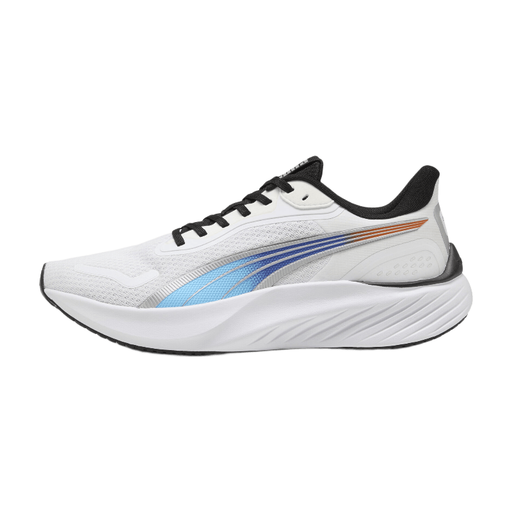
Why it suits this profile: A lightweight model for anyone looking for one pair for easy running, training and everyday wear. The lace fastening makes it easy to adjust the fit.
The product information mentions a low weight, a rubber PROTREAD outsole and size guidance based on insole length. This means you can look beyond appearance alone.
Lightweight foam, textile lining and rubber outsole. According to the product description, the upper contains at least 30% recycled materials.
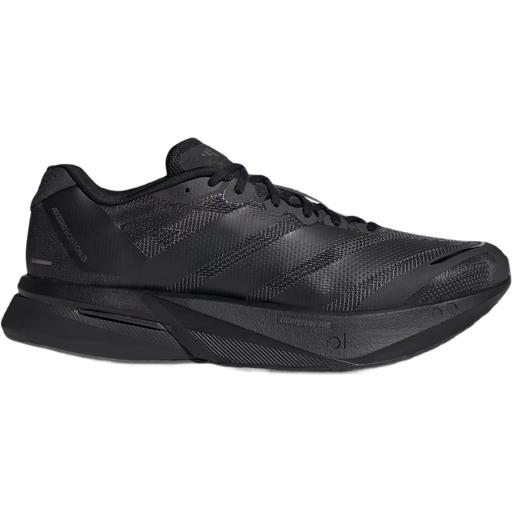
Why it suits this profile: Designed for intensive running training and race preparation. Its technical sole construction is better suited to faster paces than to a casual outfit.
The product description specifies the midsole, ENERGYRODS and outsole. This makes the model’s intended use clearer than a shoe described simply as ‘sporty’.
Lightweight textile upper, Lightstrike Pro midsole and Continental Rubber at the forefoot according to the product specifications.

Why it suits this profile: For runners who switch between paved roads, woodland trails and uneven paths. The model is available in different sizes and fits.
The product information mentions a ROCKYTEC rubber outsole, a mesh and woven upper, and a standard or narrow version. However, check which sole variant is supplied.
EVA midsole, durable upper and size selection based on foot length. According to the product description, a variant with Vibram Megagrip is only available in certain versions.
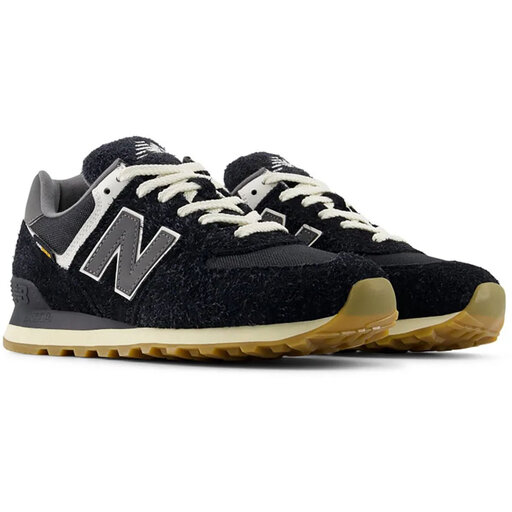
Why it suits this profile: A retro-inspired model for everyday wear, the office and informal occasions. The combination of suede and mesh works well with a sporty yet understated wardrobe.
The description mentions not only the appearance, but also the materials, rubber outsole and suitability for everyday and sporty use.
Suede and mesh upper, rubber sole and an ENCAP midsole according to the product information.
A brand name can help you filter models, but it does not say enough about suitability. Adidas running shoes, for example, are designed for different running goals. Men’s PUMA trainers range from lightweight sports shoes to lifestyle models such as the Speedcat OG. Several men’s Skechers trainers focus on a Memory Foam or Air-Cooled Memory Foam insole. Men’s New Balance trainers, men’s Vans Old Skool and similar casual models are particularly appealing when style and everyday comfort matter more than technical running performance.
Also pay attention to the product variant and size. A Vans Old Skool may have a flat sole, while a trail-running model uses a more aggressive tread. These two shoes are not automatically interchangeable.
We have put together a complete, up-to-date list of products that fully meet these strict selection criteria and the applicable European safety regulations.
For everyday use, choose a model with a standard fit, enough room for your toes, a rubber outsole and an upper that suits how much maintenance you are prepared to do. Men’s casual trainers such as the New Balance 574 models are designed for versatile use. Models with a Memory Foam insole, such as certain men’s Skechers trainers, may feel comfortable, but fit is still a personal matter.
Their lifespan depends on running distance, body weight, the surface, alternating between multiple pairs and how well they are maintained. Regularly check the outsole for wear, the upper for cracks and the midsole for deformation. For intensive running, having a separate set of men’s running shoes may be more practical than using the same pair for both everyday wear and sport.
Measure both feet on a sheet of paper and use the longer foot as your reference. Compare the measurement with the size chart for the specific model. Also consider width and sock thickness. Some PUMA and PELLIOT models explicitly refer to foot length or insole length; use this information alongside your usual EU size.
