
Vandaag of morgen in huis

Kwaliteit gegarandeerd

Welkomstaanbiedingen ontgrendelen: GRATIS bezorging | Tot 80% korting | Gratis 30 dagen JoyPlus-proefperiode
Download de app
A pair of men’s trainers often has to fulfil several roles in the Netherlands: commuting, walking around town, doing the shopping and completing a casual outfit. Yet an attractive pair can disappoint as soon as you walk across cobblestones, wet cycle paths or long distances.
The main pitfalls are usually not about appearance, but about fit, the sole and the materials. Use these checkpoints to compare men’s trainers based on practical features rather than just the brand name or marketing copy.
A thick or soft sockliner feels comfortable when trying the shoes on. That does not automatically mean the shoe is suitable for a full working day or a long walk. Also look at the midsole, the shape of the footbed and the level of support around the heel.
Product descriptions sometimes use terms such as “all-day comfort”. Treat this as information from the brand or seller, not as a guarantee for every foot. A comfortable shoe should also provide enough room around the toes without pinching across the instep.
A heavily treaded sole is not automatically suitable for every surface. Check the material, flexibility and how the sole is attached to the upper. Trainers with rubber soles are practical for everyday use, but suede, mesh and textile require different levels of care.
It is also important to check whether the shoe was designed for sporting activities. Men’s casual trainers may be suitable for walking and everyday use, but they are not automatically an alternative to men’s running shoes.
Sizes can vary between brands and models. An EU size 42 does not have exactly the same internal length in every shoe. Therefore, check the foot length in centimetres or millimetres whenever this information is available. Measure both feet at the end of the day and use the longer foot as your reference.
Also pay attention to width. A regular fit may feel tight on a wide foot, while a roomy shoe may feel less stable on a narrow foot. If you are looking for men’s shoes in sizes 37 to 47, always check that your preferred size is actually available for the model you have chosen.
First decide what you need the shoes for:
Textile and mesh are often lightweight and can feel breathable. However, they are more susceptible to rain and dirt. Suede creates a softer, classic look, but requires careful maintenance and is less suitable for prolonged exposure to water. Synthetic overlays can provide extra structure and support, but may sometimes feel less flexible.
Stains show up more quickly on white men’s trainers. Black men’s trainers are easier to pair with dark clothing and make light dirt less noticeable. Retro trainers, such as models from the New Balance 574 range, combine a recognisable silhouette with materials such as suede and mesh.
An EVA midsole is often used to keep weight down and provide cushioning. A rubber outsole is important for grip and durability, but the tread and firmness determine how the shoe performs on different surfaces.
Also check whether the shoe is intended for neutral everyday use or a specific sport. Men’s running shoes require different features from a casual model for the office.
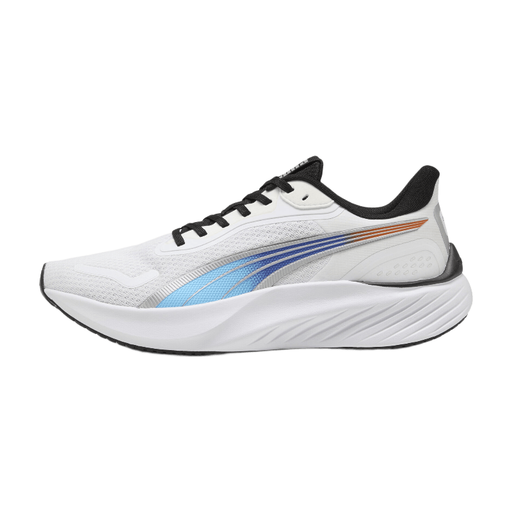
Why it suits this profile: This lightweight model is designed for everyday use, light training and a sporty look. The white base with blue and orange details stands out, without requiring you to buy separate sports and casual shoes.
The product information lists a foam construction, a PROTREAD rubber outsole and a lace-up fastening with moulded details. Before buying, still check the internal length and fit.
Textile and synthetic upper; rubber outsole; according to the product information, the upper consists of at least 30% recycled materials.
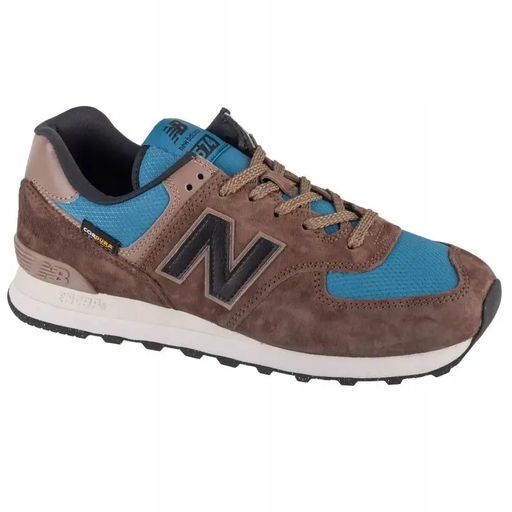
Why it suits this profile: The classic 574 shape works well with casual outfits and sporty combinations. Suede and mesh give this model a retro look, while the rubber sole makes it suitable for everyday use.
The combination of suede and mesh makes it clear that care is important. The product information recommends a soft brush or damp cloth and warns against prolonged exposure to water.
Suede and breathable mesh; cushioned midsole; rubber outsole; suitable for casual and sporty occasions according to the product description.
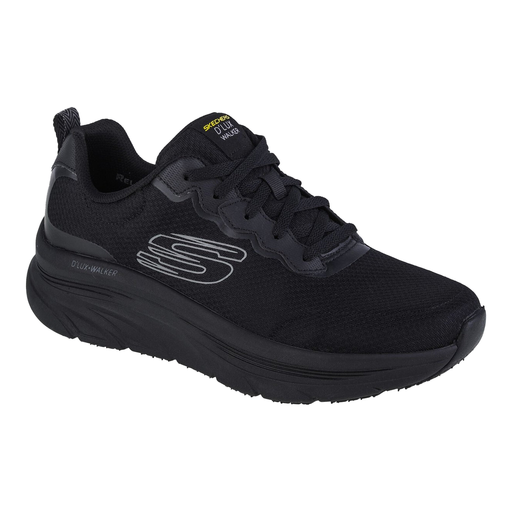
Why it suits this profile: This black model is designed for walking and everyday use. The neutral colour is easy to style, and the regular fit suits anyone looking for a practical pair.
The description specifies width D, a regular fit and a lace-up fastening. This helps when assessing stability, but trying the shoes on remains important if your feet are wider or narrower.
Textile upper; rubber sole; black colour; product size 45 with a regular fit according to the available product specifications.
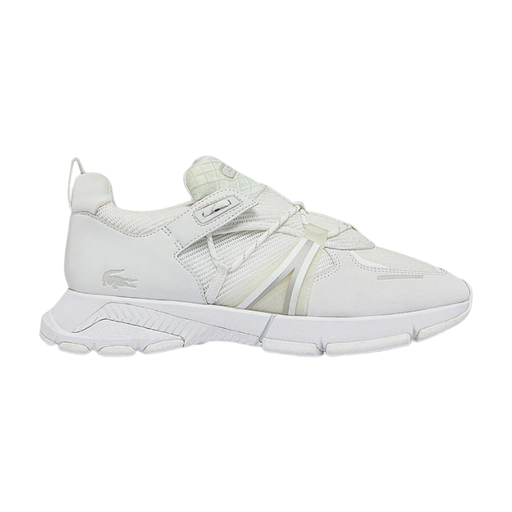
Why it suits this profile: The white version works well with denim, chinos and sporty clothing. The combination of polyester mesh, synthetic reinforcements and an EVA midsole is designed for everyday use in the city.
The specifications list not only a soft insole, but also an EVA midsole and rubber outsole. The white colour does require regular hand cleaning.
Polyester mesh with synthetic overlays; EVA midsole; PU insole; rubber outsole; size 46 in the version offered.
We have put together a complete, up-to-date list of products that fully meet these strict selection criteria and the applicable European safety regulations.
The lifespan of men’s trainers depends on use, the surface and maintenance. Do not wear sports shoes continuously in wet conditions if the upper was not designed for them. Allow damp shoes to dry at room temperature, away from direct heat.
Practical rules:
Look for a secure-fitting heel, enough room around the toes, a cushioned midsole and a rubber outsole with a suitable tread. A model such as the Skechers D’Lux Walker is designed for everyday use according to the product description, but the right choice depends on your foot shape and walking distance.
This varies by brand and model. Use the official size chart and compare the stated foot length with your own measurement. If you are between two sizes, the internal length is often more useful than the EU size alone.
First remove dry dirt with a soft brush. Then spot-clean with a damp cloth and mild cleaning product. Avoid prolonged soaking, bleach and direct heat. Always check the care advice for the specific material.
