
Vandaag of morgen in huis

Kwaliteit gegarandeerd

Welkomstaanbiedingen ontgrendelen: GRATIS bezorging | Tot 80% korting | Gratis 30 dagen JoyPlus-proefperiode
Download de app
A pair of men’s trainers often has to do it all in the Netherlands. You wear them to work, for a stroll around town, in the gym or for a short run. Even so, one style isn’t automatically right for every purpose. A soft sole that’s lovely for day-to-day use can feel less stable during more intense training.
Product pages can be confusing too. Terms like “lightweight”, “breathable” and “Memory Foam” only tell you something once you look at the materials, fit and sole construction. With this practical checklist you’ll focus on the features that actually appear in the product description.
A soft insole feels great when you try them on, but it doesn’t tell you how the shoe behaves on longer walks or while running. Also check the midsole, flexibility and the tread of the outsole. A shoe with Memory Foam isn’t automatically a running shoe.
Mesh inserts can improve ventilation, but a synthetic leather upper releases heat differently to a full textile one. Look at the balance between mesh, textile and synthetic materials. For warm days and training, breathable trainers usually make more sense than a largely closed upper.
The wrong size causes toe pressure or heel slippage more quickly. Pay attention to the stated EU size, fit and shoe width. Many models in this selection come in width D, which generally corresponds to a standard fit. If you have a broad forefoot, look for a model with a specifically roomier toe box, such as certain LI-NING styles.
Measure your foot preferably at the end of the day, when it takes up a little more space. Wear the socks you’ll normally use with the trainers. Then compare your foot length with the brand’s size chart. A style described as “true to size” is a hint, not a guarantee: foot shapes vary from person to person.
For larger feet, trainers in sizes 42 to 47.5 are relevant. In the product selection you’ll find models in sizes 42, 43, 44, 46 and 47.5 among others. Always check the product page to see if your specific size and colour are available.
For everyday wear and walking, a flexible rubber outsole and a comfortable insole are practical features. According to the product information, the Skechers Burns 52635 has a non-removable Memory Foam insole and a light, flexible sole with shock-absorbing properties.
For running, a suitable midsole, sufficient heel hold and grip are also important. The adidas Supernova Ease M, according to the description, uses a full Dreamstrike midsole, a mesh upper and a rubber outsole with lugs. That makes this type of shoe more geared towards run training than purely casual use.
A mesh upper generally helps with air circulation, while synthetic leather can be easier to wipe clean. Neither material is maintenance-free. Follow the instructions on the product page: some shoes can be cleaned with a damp cloth, while machine washing is only allowed when explicitly stated.
Also watch for a non-removable insole. That can work perfectly well, but it limits the option to swap in another insole later. If you switch quickly between work, walking and training, you may benefit from a model whose internal volume and fit are spot on from the start.
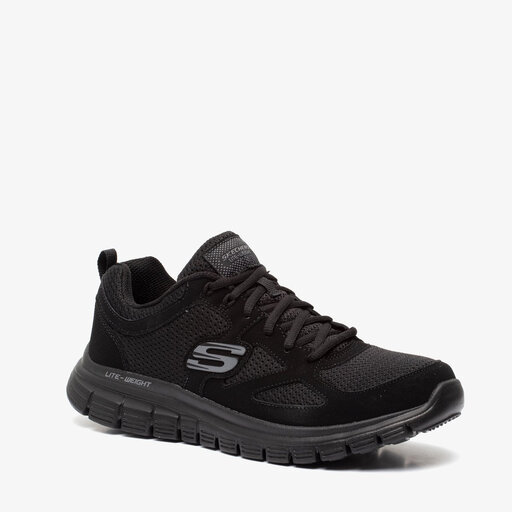
Why this suits the profile: A low-cut black trainer for everyday wear, with laces and a standard D fit.
The product information mentions both mesh inserts and synthetic leather, so you can weigh up ventilation and care instead of relying only on the word “breathable”.
Textile Memory Foam insole, rubber outsole, mesh inserts and a heel pull loop.
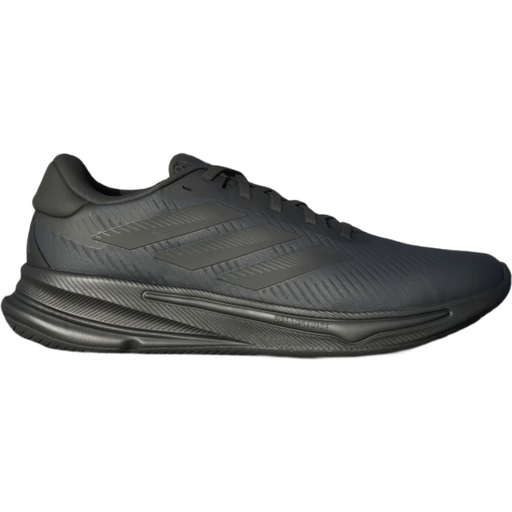
Why this suits the profile: Designed for short to mid-distance run training and ideal if you want a dedicated men’s running shoe.
The description explicitly lists a mesh upper, Dreamstrike midsole and rubber lugged outsole. That makes the intended use clearer than with a general lifestyle trainer.
Full Dreamstrike midsole, breathable mesh, regular fit and rubber lugs for grip.
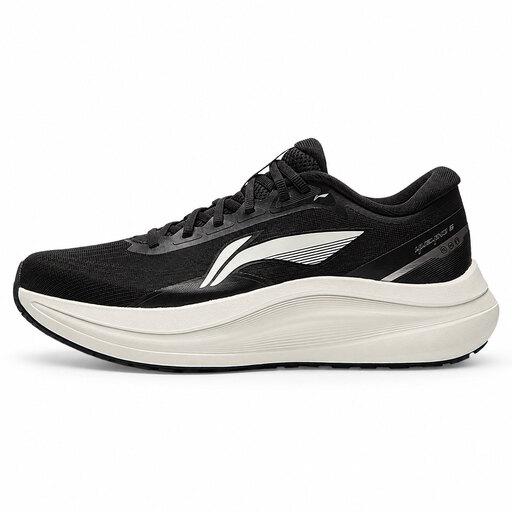
Why this suits the profile: For runners who want a roomier forefoot and use their shoes off the track or across different surfaces.
The product description mentions a wider toe box and suggests going half a size up for broader feet. Always check this alongside your own foot length.
Tempo Bounce midsole, rubber outsole with grip zones, and a design with extra room in the forefoot.
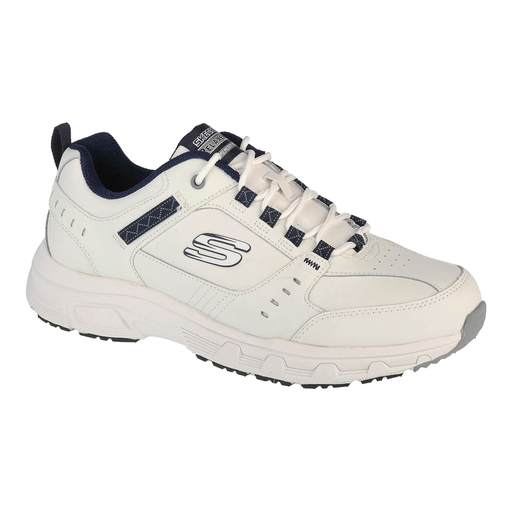
Why this suits the profile: A model for walking and everyday wear when you want a regular fit, a lace-up design and a more supportive construction.
Rather than only a soft insole, the product info also lists a stabilising midfoot zone, side overlays and a rubber outsole with tread.
Relaxed Fit design, Memory Foam insole, rubber treaded outsole and synthetic upper.
If you want a slip-on, consider Skechers Slip-Ins Summits - High Range 232457-TPE 42 or the Summits 52811 BBK in size 47.5. For lightweight sports shoes, the PUMA Pounce Lite is an option with a textile–synthetic upper, a rubber PROTREAD outsole and, according to the product information, at least 30% recycled materials in the upper.
For walking and casual use, the Skechers Track-Ripkent, D’Lites 4.0 and Go Walk Arch Fit are also relevant. Always check whether you want a black trainer, a slip-on or a lace-up model. For more demanding terrain, the PELLIOT models are aimed at a road-to-trail transition; the product information mentions mesh, EVA foam and a rubber ROCKYTEC outsole.
We’ve put together a complete, up-to-date list of products that fully meet these strict selection criteria and comply with current European safety regulations.
Some are, but always check the intended use. Men’s running shoes usually have a midsole for cushioning, an appropriate fit and grip for the surface. A casual trainer with Memory Foam can be comfortable for walking, but it isn’t automatically designed for repeated running impact.
Lifespan depends on use, body weight, surface, care and storage. Watch for smoothing tread, tears in the upper, a midsole that has collapsed unevenly, or less support. Rotating between two pairs can reduce wear per pair. Always follow the manufacturer’s cleaning instructions.
Prices vary by brand, materials, sole technology and intended use. Compare not just the number on the label, but also size availability, fit, outsole, ventilation and care. A slightly pricier pair can work out better value if it suits your daily use and needs replacing less often.
