
Vandaag of morgen in huis

Kwaliteit gegarandeerd

Welkomstaanbiedingen ontgrendelen: GRATIS bezorging | Tot 80% korting | Gratis 30 dagen JoyPlus-proefperiode
Download de app
Men’s trainers may seem easy to compare at first glance. Yet a model described as comfortable and versatile in an advert may prove less suitable for your feet or intended use. If you focus only on the brand, colour or discount, you are more likely to end up with the wrong size, insufficient support or premature wear.
These three pitfalls are particularly common:
Do not just check the size on the label. Also consider the foot length in centimetres, the width and the expected fit advice. Measure both feet at the end of the day, when feet are often slightly larger. Use the longer foot as your reference.
For trainers in size 42, the stated foot length may be around 270 mm, as with the adidas Galaxy 7 M. A standard width is often indicated by D, but that does not mean every foot gets the same amount of room around the toes.
Pay particular attention to:
A model that is too short will not become comfortable simply by loosening the laces. If you have wide feet, a model with a wide toe box may be more suitable. When buying online, always check the current size guide and returns policy.
The sole largely determines what a shoe is suitable for. EVA or foam midsoles are often used for cushioning and reduced weight. A rubber outsole can provide additional grip and durability. For tarmac, a relatively flat tread is usually practical; on mud, gravel and wet paths, deeper lugs are more important.
Distinguish between:
A shoe with a highly pronounced tread may actually feel less comfortable on smooth indoor floors. Conversely, a flat casual sole may not provide enough grip on wet woodland paths.
A mesh upper generally allows more air to pass through than synthetic leather, but is less straightforward to keep clean. Synthetic leather can cope better with light splashes, although it may feel warmer. A GORE-TEX membrane is used by the manufacturer for waterproofing; also check the seams, tongue construction and care instructions.
Pay attention to the specific product information:
A non-removable insole can be a drawback if you want to use your own insole. Washing instructions vary by model, so always follow the product page and the label.
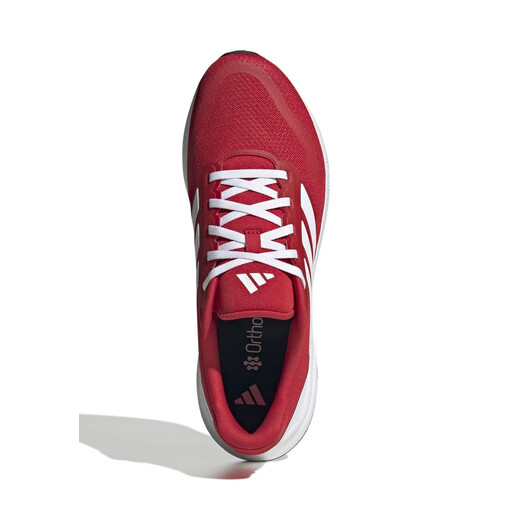
Why it suits this profile: The product description states that this model is designed for everyday running and short distances of 0–10 km. The mesh construction and Cloudfoam midsole suit beginners looking for one pair for light runs and everyday use. Check the size guide before ordering: the product details show different EU size listings.
The product page clearly specifies the intended use, materials and care method. This makes it easier to compare the model with a standard casual trainer.
Mesh upper, Ortholite insole, Cloudfoam midsole and Adiwear outsole according to the product specifications.

Why it suits this profile: This trail model is designed for walking and trail running on more demanding terrain. The stated GORE-TEX lining, Quicklace fastening and 3D Advanced Chassis suit users looking for greater protection and stability in changeable British weather.
The clearly defined trail profile helps prevent you from choosing a smooth city sole for woodland or gravel paths. Waterproofing is a brand specification; follow the care instructions to preserve the material.
Contagrip rubber outsole, GORE-TEX membrane, reinforced toe and heel, Quicklace system.
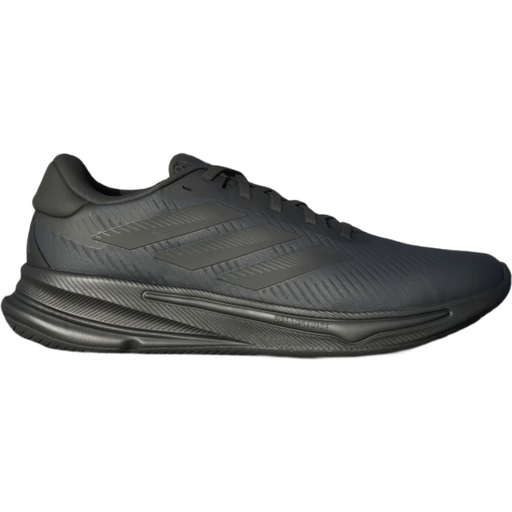
Why it suits this profile: According to the product description, this model is designed for short to medium-length runs. The breathable mesh and Dreamstrike midsole make it relevant for runners building up their training routine and looking for a dedicated pair of men’s running shoes.
The intended use is described more specifically than with lifestyle trainers. Compare the fit and sole with your running distance rather than looking at the brand alone.
Mesh upper, full-length Dreamstrike midsole, rubber lugged outsole and lace fastening according to the product information.
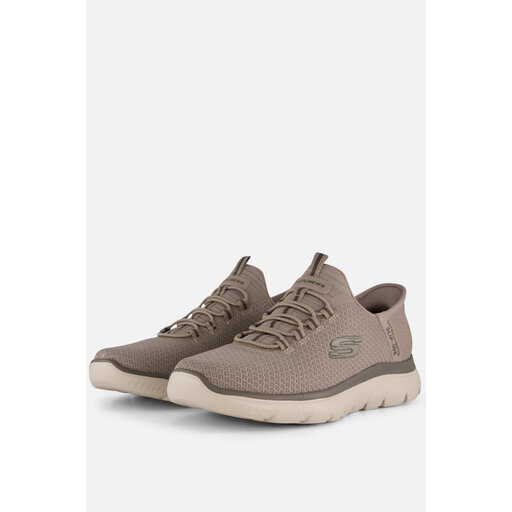
Why it suits this profile: This taupe slip-on model has a standard fit, a synthetic upper and a rubber lugged outsole. It suits men looking for comfortable men’s shoes for commuting, shopping and casual outfits.
The product information describes the model as casual rather than as a running shoe. This helps you choose the right purpose and avoid overloading a lifestyle model.
Slip-on construction, standard D width, synthetic upper and rubber lugged outsole.
We have compiled a complete, up-to-date list of products that fully meet these strict selection criteria and the applicable European safety regulations.
For everyday use, choose a model with a standard fit, a flexible rubber sole and an upper suited to the climate and your care routine. Men’s casual trainers are suitable for walking around town, but not automatically for running or long walks on off-road paths.
Their lifespan depends on running distance, body weight, surface, materials and care. Replace your trainers when the sole shows visible uneven wear, the cushioning feels less comfortable or the upper and seams become damaged. Allow shoes to air between wears and do not use direct heat when drying them.
Measure your foot in centimetres and compare it with the size guide for the specific model. Also check the fit advice, width and available information about half sizes. If you are unsure, it is sensible to check the returns policy before ordering.
