
Vandaag of morgen in huis

Kwaliteit gegarandeerd

Welkomstaanbiedingen ontgrendelen: GRATIS bezorging | Tot 80% korting | Gratis 30 dagen JoyPlus-proefperiode
Download de app
Buying a new pair of men's trainers seems simple, until a few weeks later you find yourself dealing with a tight-fitting forefoot, poor grip or a sole that isn't suited to how you use them. Marketing terms such as “lightweight”, “dynamic cushioning” and “suitable for every activity” sound appealing, but they only tell you so much. Check the construction and intended use, too.
This guide will help you compare men's trainers for everyday wear, fitness, training and running. The selection below is based on verifiable product details, such as materials, sole type, fit and stated intended use.
A lifestyle trainer can be comfortable around town, but that doesn't automatically make it suitable for running. A flat sole and leather upper feel different from a cushioned running shoe with a breathable mesh upper. That may be fine for short walks or everyday wear; for regular training, it's best to choose a shoe that matches the stated intended use.
More foam doesn't mean more comfort for every foot. A soft sole might feel great when you try it on, while a more stable construction may be better suited to longer training sessions. So pay attention to the fit, heel support, flexibility and outsole grip, too.
EU sizes vary between brands and models. For example, the adidas Supernova Stride 2 lists a foot length for each size. Size 43 1/3 corresponds to around 270 mm, while size 44 2/3 is listed as around 285 mm. Measure your feet at the end of the day, wearing the socks you normally use, and compare the result with the product's size guide.
A mesh upper generally lets more air through than leather or dense synthetic materials. This can be useful for fitness, training and longer walks. According to its product description, the adidas Runfalcon 5 features a mesh upper, an OrthoLite sockliner and a Cloudfoam midsole.
A leather upper is less focused on ventilation, but can work better with a casual outfit. The Puma Speedcat OG has a leather upper, textile lining and rubber sole. It's described as having a regular fit. This makes it an interesting choice for everyday wear and streetwear, rather than an automatic pick for long running sessions.
For men's running shoes, the midsole is an important detail to check. Look at the material used and how the manufacturer describes the shoe's intended use:
Foam brand names don't guarantee that a shoe will feel right for you. Treat them as technical information, and assess the shape, firmness and intended use as well.
A rubber outsole can provide grip, but the tread pattern and compound affect how the shoe performs on tarmac, a treadmill, a gym floor or wet tiles. According to the product description, the Supernova Stride 2 has an Adiwear rubber outsole. Adiwear is also listed for the Runfalcon 5.
The Li-Ning Yueying 6 is worth considering if you have wider feet. The product information mentions a wide toe box, an optimised last and a wider heel. If you often feel pressure around your toes, you could compare this model with regular running shoes. The size guidance suggests considering half a size up if you have wider feet or prefer extra room.
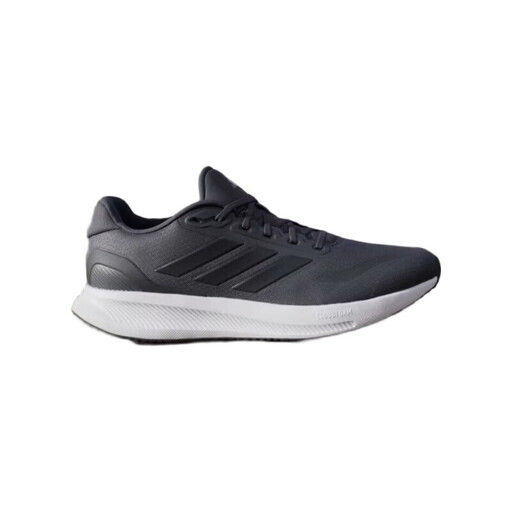
Why it suits this profile: A practical option if you're starting out with walking, fitness or light training and want one pair for a range of everyday activities.
The product details list mesh, Cloudfoam and OrthoLite, so you don't have to choose based on appearance alone.
Breathable mesh upper, Cloudfoam midsole and Adiwear outsole; listed in EU sizes 36 to 45.
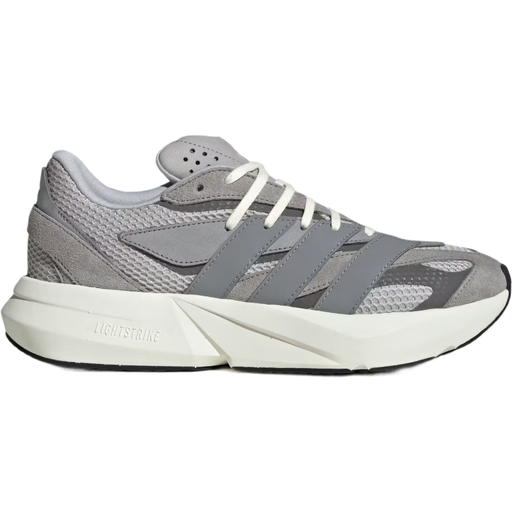
Why it suits this profile: For style-conscious shoppers who want an everyday trainer with technical details inspired by running shoes.
The shoe isn't presented as a dedicated running shoe; its mesh, suede and nubuck layers make its intended use clearer.
Breathable mesh, Lightstrike midsole, rubber outsole and a combination of suede and nubuck.
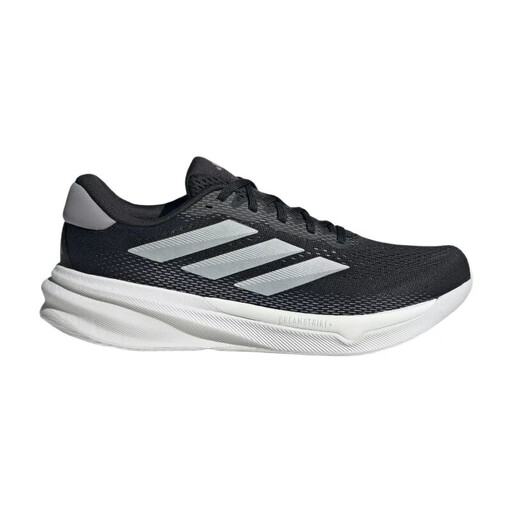
Why it suits this profile: Designed for recreational runners and anyone looking for a dedicated shoe for longer training sessions.
The product description specifically mentions training, mesh for airflow and an Adiwear outsole, rather than focusing only on lifestyle use.
Dreamstrike+ and EVA midsole, textile/mesh upper and rubber Adiwear outsole; available in several EU sizes.
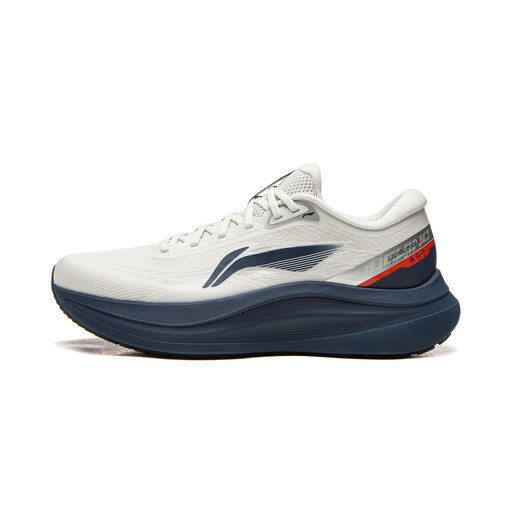
Why it suits this profile: For runners looking for extra room around the toes and a pronounced stability construction.
The wide toe box and optimised last directly address the problem of a forefoot that's too narrow.
Full-length Tempo Bounce midsole, generous toe room, rubber outsole and PROBAR LOC support, according to the product information.
We've put together a complete, up-to-date list of products that meet these strict selection criteria and current European safety regulations.
Their lifespan depends on how you use them, your body weight, the surfaces you walk or run on, how well you look after them and whether you rotate between several pairs. Check the tread for wear, the upper for tears and the cushioning for signs of compression. A pair of everyday trainers may last longer if you don't also use them for intensive training.
They can be, as long as the fit and appearance work for how you plan to use them. Running shoes such as the adidas Runfalcon 5 or Supernova Stride 2 are designed with features for running and training. They can be comfortable for the office, walks and running errands, but check that the sole and upper suit the surfaces you walk on.
Look for terms such as wide toe box, a wide last or a roomy forefoot. The Li-Ning Yueying 6 has extra room around the toes, and its size guidance suggests that you might consider going half a size up if you have wider feet. Always measure both feet first and check the specific size guide before ordering.
