
Vandaag of morgen in huis

Kwaliteit gegarandeerd

Welkomstaanbiedingen ontgrendelen: GRATIS bezorging | Tot 80% korting | Gratis 30 dagen JoyPlus-proefperiode
Download de app
A pair of men’s trainers can seem like an easy online purchase. Yet a model that looks great can disappoint in everyday use. A narrow last, limited cushioning or a slippery sole often only becomes apparent after a longer walk through town. Marketing terms such as “lightweight”, “comfortable” and “suitable for sport” only really mean something when you examine the product details.
In this guide, I explain what to look for in PUMA men’s trainers, adidas men’s trainers, casual models and men’s sports shoes. This allows you to compare more effectively and avoid paying for features that do not suit the way you intend to use them.
Not every trainer with a sporty shape is suitable for running or intensive training. Men’s running shoes usually have a construction designed for movement, cushioning and grip. A retro model with a flat sole is mainly intended for everyday wear.
Use the product description as your starting point. Does it explicitly state that the model is designed for running, training or sport? Then check the sole, upper and fit as well. For long walks, a model with a soft insole and flexible midsole is often more practical than a stiff lifestyle shoe.
Sizing can vary between brands and models. An EU size does not always provide enough information about the actual internal length or foot length. Ideally, measure your feet at the end of the day, when they may be slightly larger. Compare the result with the size chart for the specific model.
Pay attention to the width too. A standard fit may feel comfortable on one foot but too tight on a wide foot. If you are between two sizes, it is sensible to follow the recommended foot length in centimetres rather than simply ordering your usual size.
White textile, suede and leather each require different care. A light-coloured trainer may look appealing, but stains are more noticeable. Suede trim should generally not be exposed to water for long periods, and some models cannot be machine-washed.
Check the material and care instructions before buying. An upper made from textile and synthetic material can feel lightweight, while leather trainers offer more structure but require different care. The right choice depends on how often you wear the shoes and in what conditions.
The midsole largely determines how a trainer feels while walking. Product information may mention materials such as EVA, IMEVA or lightweight foam. These terms describe the material, but they do not guarantee that every wearer will have the same experience.
For everyday use, a soft sockliner, such as an extra-padded insole, can feel comfortable. If you mainly walk short distances, you may need less cushioning than someone who cycles to work every day and then spends a lot of time standing.
A rubber outsole generally provides a practical foundation for asphalt, shop floors and other flat surfaces. However, grip also depends on the tread and the surface. A sole suitable for everyday use is not automatically designed for mud, wet trails or intensive indoor sports.
Check whether the product description mentions a rubber sole, a non-marking sole or a specific traction pattern. For men’s casual trainers, a flat cupsole is often designed for style and everyday walking. With men’s sports shoes, flexibility and stability are more important.
A combination of textile and synthetic material can help keep the weight down. Leather with suede overlays creates a more structured look and requires additional care. Also consider the fastening. Traditional laces provide a precise fit around the foot and allow for small adjustments.
Look for terms such as standard fit, regular fit or performance fit. These indicate the intended fit, but they are no substitute for measuring your foot. When ordering online, it is sensible to check the size chart and returns policy in advance.
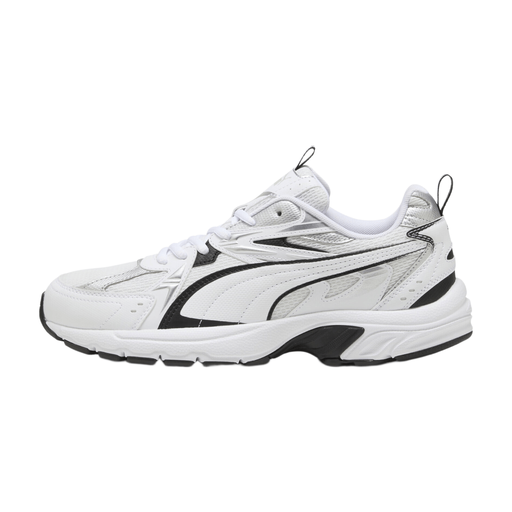
Why it suits this profile: This model is designed for everyday urban wear and casual outfits. The white base with black details is easy to pair with jeans, chinos and sportswear.
The product information mentions a SOFTFOAM+ sockliner, IMEVA material and a rubber outsole. This gives you more specific information about cushioning, materials and grip than a model with only general comfort claims.
Synthetic and textile upper, textile lining, IMEVA construction and a rubber sole. The lace fastening offers an adjustable fit.
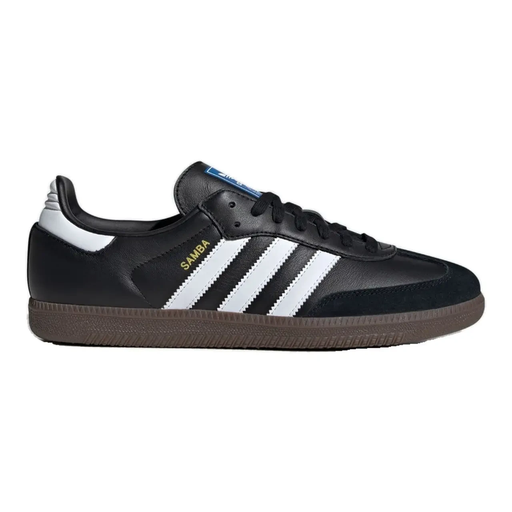
Why it suits this profile: The Samba OG is a retro men’s trainer for anyone looking for a distinctive design and leather finish for everyday wear.
The product specification lists full-grain leather, suede overlays, a standard fit and a rubber cupsole. This allows you to assess the materials and construction before buying.
Leather upper with suede details, adjustable lace fastening and a gum rubber sole. The size chart also lists the foot length for each size.
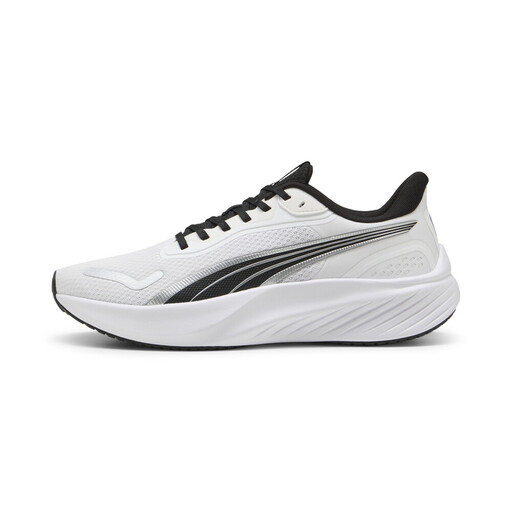
Why it suits this profile: According to the product information, this model is designed for running, training and everyday use. It is a good fit for anyone looking to use one pair for several active occasions.
The description specifies lightweight foam, a PROTREAD outsole and a performance fit. According to the product information, the upper contains at least 30% recycled materials.
Textile and synthetic upper, textile lining, rubber outsole and lace fastening. Before running, always check that the selected size matches the stated foot length.
We have compiled a complete, up-to-date list of products that fully meet these strict selection criteria and the applicable European safety regulations.
Measure both feet on a sheet of paper, from the heel to the longest toe. Use the larger measurement and compare it with the foot length in the model’s size chart. Also check whether the trainer has a standard, regular or performance fit.
Their lifespan depends on how often you walk or run, your body weight, the surface, how well you care for them and the type of shoe. A trainer for everyday use wears differently from a running model. Look out for tread that is becoming smooth, cracks in the upper and compressed cushioning. These are practical signs that it is time to replace the pair.
Black men’s trainers are generally practical with dark and casual outfits and show dirt less quickly. White men’s trainers work well with light-coloured clothing and create a sporty look, but they need cleaning more often. If you are looking for something more eye-catching, choose a model with colour accents, such as blue or orange. Above all, consider the clothes you already own and when you plan to wear the trainers.
