
Vandaag of morgen in huis

Kwaliteit gegarandeerd

Welkomstaanbiedingen ontgrendelen: GRATIS bezorging | Tot 80% korting | Gratis 30 dagen JoyPlus-proefperiode
Download de app
A pair of men’s trainers needs to do more than look good in a product photo. In the Netherlands, shoes have to cope with rain, long walks, bike rides and everyday wear. But it’s often only after you’ve bought them that you find out whether the fit is comfortable, the material is practical and the sole offers enough grip.
So don’t focus only on colour or brand. Use these checks to compare PUMA men’s trainers, adidas men’s trainers, casual men’s trainers and retro men’s trainers in a practical way.
A low, narrow sole can look stylish, but it doesn’t always offer enough cushioning for a full day on your feet. Models with a thin profile, such as some lifestyle trainers, feel different from modern running shoes. Check which midsole and insole are listed. Materials such as IMEVA, a padded sockliner or a cushioned midsole tell you more than a vague claim such as ‘comfortable’.
Leather men’s trainers aren’t automatically maintenance-free. Leather can be sturdy and keep its shape, but suede and textile respond differently to moisture and dirt. An upper made from suede and nylon, for example, needs more careful cleaning than a smooth synthetic material. Check the lining, insole and outsole too: these all affect how the shoe feels and wears.
Sizing can vary from model to model. Your usual size in PUMA may not feel exactly the same as the same size in adidas. Check the stated foot length in centimetres and measure both feet at the end of the day. If you’re between sizes, your preferred fit can make the difference: snug for a minimalist look, or slightly roomier for everyday comfort.
First, check whether the model has a regular fit, performance fit or standard fit. A regular fit is generally suitable for an average foot width. A performance fit may feel closer-fitting. Also check:
The PUMA Speedcat OG, for example, is listed as having a regular fit, a rounded toe and a flat heel. The product information also includes a size chart with foot lengths. This makes it easier to compare than relying on the size name alone.
A rubber outsole can be suitable for everyday wear and generally offers grip on different surfaces. That doesn’t mean every lifestyle trainer is designed for running, intense training or wet sports pitches. For walking, commuting and casual outfits, flexibility, weight and cushioning are often more important than sport-specific stability.
Pay attention to the tread too. A flat sole works well with retro men’s trainers and minimalist outfits, while a thicker sole offers more visual support and a different feel underfoot.
Choose the material to suit how you’ll use your trainers:
According to the product information, most of the models listed shouldn’t be machine-washed. Use a soft, slightly damp cloth and leave your shoes to air-dry naturally, away from direct heat.
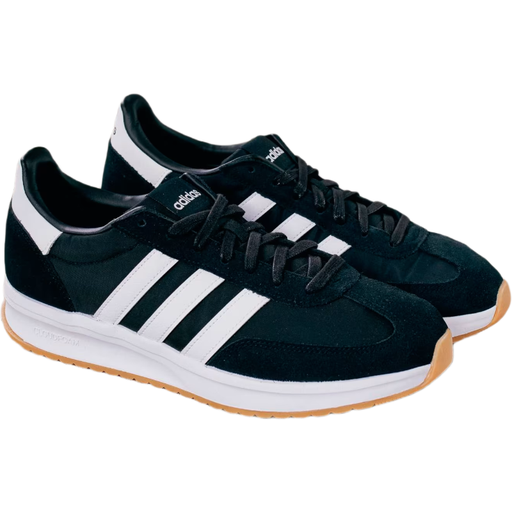
Why it suits this profile: This retro-inspired design pairs black with white, so it works with jeans, chinos and casual streetwear. Its lightweight construction makes it suitable for everyday wear.
The product information specifies a flexible construction, light cushioning and a rubber outsole, so you don’t have to judge it on looks alone.
Textile and synthetic leather upper, breathable textile lining and rubber outsole.
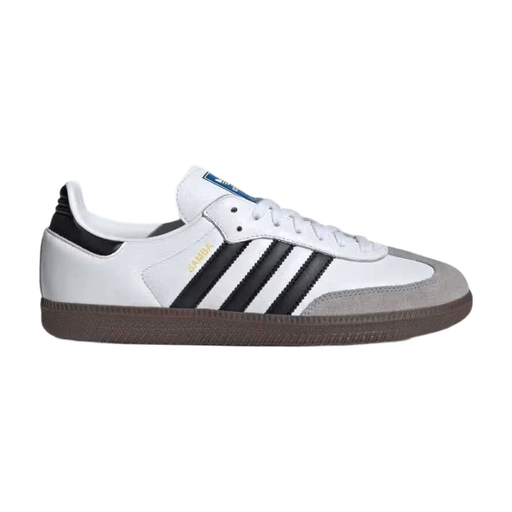
Why it suits this profile: The combination of white, black and gum gives it a polished look that works with a smart-casual wardrobe. Wear it with jeans, straight-leg trousers or a simple streetwear outfit.
The upper and sole are clearly specified. Check the size beforehand, though, as the standard fit and leather construction feel different from a textile trainer.
Full-grain leather with suede overlays, gum rubber cupsole and standard fit.
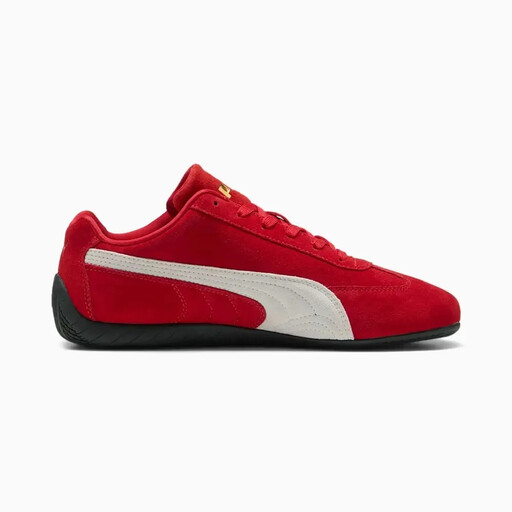
Why it suits this profile: Its slim, racing-inspired shape is made for fans of a standout retro silhouette. It works with streetwear and casual outfits, but is less suitable if you’re looking for maximum cushioning.
The product details list an IMEVA midsole, regular fit and a size chart. This lets you weigh up the low-profile design against clear fit information.
97% leather upper, textile lining, rubber outsole and a lightweight IMEVA midsole.
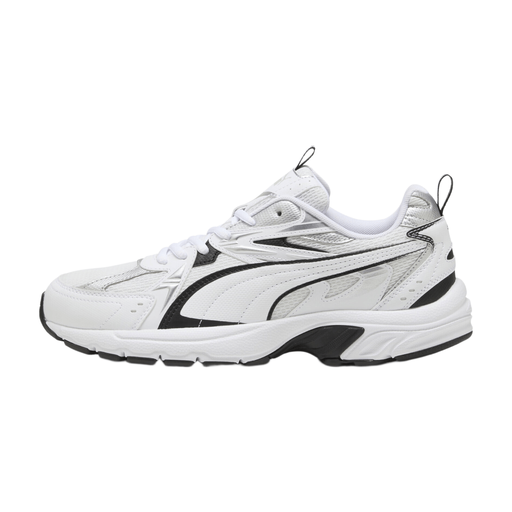
Why it suits this profile: Its futuristic shape and black-and-white colourway work well with modern urban outfits. It’s designed for everyday wear and casual occasions.
The specifications outline the lining, composition and sole. This lets you compare the model by material, rather than judging it by its striking shape alone.
SOFTFOAM+ sockliner with an extra-thick heel, IMEVA material and a rubber outsole.
White men’s trainers are easy to pair with denim, beige and light-coloured clothes, but dirt shows up more quickly. Choose a pair you can clean with a damp cloth and avoid prolonged exposure to rain.
Black men’s trainers hide small marks better and work well with darker outfits. If you often wear all-black trainers in the evening, check for reflective details and look at the sole tread.
If you’re looking for one pair to go with lots of outfits, choose white with black accents, a gum sole or a neutral shade of grey. For a distinctive retro look, the adidas Samba OG and adidas Run 70s are good options. The adidas Barreda Decode has a T-toe silhouette with suede and nylon, making it a halfway point between sporty and classic.
We’ve put together a full, up-to-date list of products that meet these strict selection criteria and the applicable European safety regulations.
Look for a regular fit, a padded insole, a flexible construction and a rubber outsole. The adidas Run 70s 2.0, adidas Barreda Decode and PUMA Milenio Tech are examples of models with these features in their product descriptions.
It varies by model. Always check the EU size, the foot length in centimetres and the stated fit. The PUMA Speedcat OG, for example, comes with a detailed size chart. The adidas Samba OG is listed as having a standard fit and a size chart with foot lengths.
Their lifespan depends on how far you walk, the surfaces you walk on, exposure to moisture and how well you care for them. Air your shoes out properly after wearing them, alternate between pairs where possible and clean them according to the product instructions. Machine-washing, prolonged soaking and drying on a radiator can damage the materials and weaken the glue.
