
Vandaag of morgen in huis

Kwaliteit gegarandeerd

Welkomstaanbiedingen ontgrendelen: GRATIS bezorging | Tot 80% korting | Gratis 30 dagen JoyPlus-proefperiode
Download de app
Choosing a new pair of men’s trainers seems straightforward, until a few weeks later you find they offer too little support, leave your feet feeling hot or have soles that don’t provide enough grip. Marketing claims such as “extra comfort”, “lightweight” and “suitable for all activities” don’t tell you much on their own. The right choice depends on how you’ll use them, how they fit and what their verifiable specifications say.
Trainers for everyday wear aren’t automatically suitable as men’s running shoes. Walking, fitness and running each call for different features. A flat lifestyle sole may be fine around town, but could offer less cushioning or grip on longer runs.
Mesh is often presented as synonymous with breathability. In practice, the lining, tongue, insole and construction also affect how much air can circulate through the shoe. So a shoe with mesh inserts may feel different from a model with a fully textile upper.
An EU size isn’t identical across every brand. Check the stated fit, foot length and width instead. Some models are described as having a regular fit, while others have a wider toe box or a specific last. It’s especially worth checking the product’s size chart when choosing size 43 trainers, size 44 trainers or size 45 trainers.
A regular fit is a practical starting point for everyday wear. Your toes should be able to move without your foot sliding forwards. With running shoes, a little extra room at the toes can be comfortable, especially if you wear thicker socks. For example, PELLIOT models list sizes by foot length and, according to the product information, come in standard and slim fits.
Also consider the fastening. Laces let you adjust the fit, while slip-on models are quicker to put on but usually offer fewer ways to adjust the shoe around your instep.
Don’t rely on the word “comfort” alone; check the construction. Memory Foam or Air-Cooled Memory Foam insoles are listed for several Skechers models. Selected adidas models feature a Bounce 2.0 or Dreamstrike midsole. These are product specifications, not a guarantee that every wearer will have the same experience.
A flexible rubber outsole is often practical for everyday walking. For running, the midsole, weight and grip matter more. If you focus only on a soft insole, you could end up with a shoe that feels good in the shop but isn’t right for longer distances.
A textile or mesh upper can help with ventilation, but it isn’t automatically waterproof. Breathable trainers are often a sensible choice for summer, commuting and fitness. For wet cycle paths or unpaved routes, pay particular attention to the outsole tread.
Rubber is listed as the sole material for many models. The tread pattern then determines how much contact and grip you get. A road-running shoe isn’t the same as a trail shoe with a more pronounced tread.
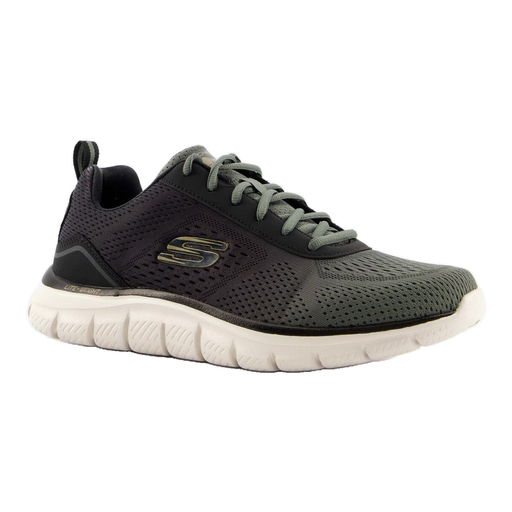
Why it suits this profile: A low-cut style for everyday wear, walking and light sports activities. The product information lists a regular fit and size 43.
The specifications list mesh inserts, a rubber sole and a fixed Memory Foam insole, so you don’t have to rely on a general comfort claim alone.
Textile upper, rubber outsole, lace-up fastening and stated regular fit.
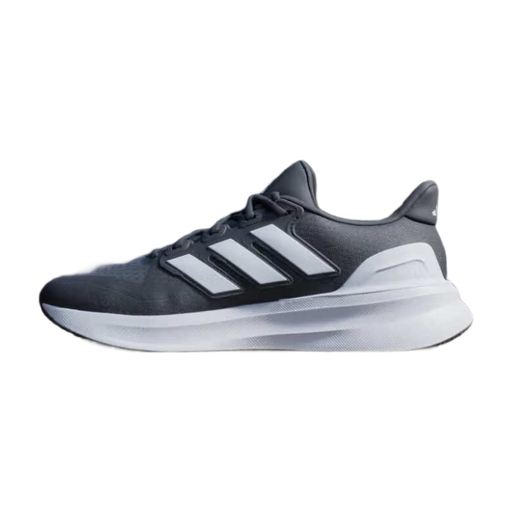
Why it suits this profile: Designed for running and training, with features such as a mesh upper, Bounce 2.0 midsole and Adiwear rubber outsole.
The shoe isn’t just described as comfortable: the product details specify the upper, midsole and outsole type separately.
Breathable mesh, Bounce 2.0 cushioning and grip-enhancing Adiwear rubber outsole.

Why it suits this profile: For anyone looking to combine road running with unpaved trails and who values ventilation, an EVA midsole and a treaded outsole.
The product information specifically mentions use on different surfaces and gives foot lengths for EU sizes 39 to 45.
Sandwich mesh, a responsive EVA midsole and a ROCKYTEC rubber outsole, according to the product description.
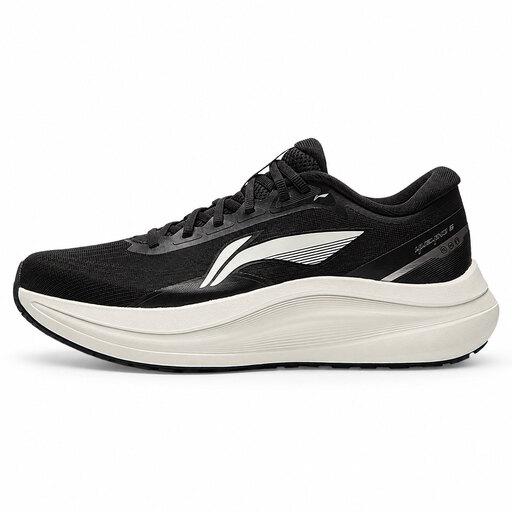
Why it suits this profile: The product description mentions a wide toe box, a regular fit and the option to go up half a size for extra room.
The sizing information does more than list EU sizes: it also covers toe room and wearing the shoes with thicker socks.
Textile and polyurethane upper, rubber/EVA sole, with sizes 43, 44⅓ and 45 available in the selection shown.
We’ve put together a complete, up-to-date list of products that meet these strict selection criteria and current European safety regulations.
Choose a model with a regular fit, adjustable laces, a soft insole and a rubber outsole. Mesh or textile can feel comfortable in warmer weather. For longer walks, it’s also worth checking the sole thickness, grip and available foot lengths.
Their lifespan depends on how you use them, your body weight, the surface, how well you look after them and how you store them. Daily intensive wear will wear down the sole faster than alternating between pairs. Replace your trainers when the tread is clearly worn smooth, the sole wears unevenly or the upper no longer holds your foot securely.
Black men’s trainers are easy to pair with jeans, chinos and sportswear. Be sure to check the material and care instructions, though. Some models can be machine-washed on a gentle cycle, while others should only be cleaned with a damp cloth. Always follow the instructions on the product page to avoid unnecessary wear.
