
Vandaag of morgen in huis

Kwaliteit gegarandeerd

Welkomstaanbiedingen ontgrendelen: GRATIS bezorging | Tot 80% korting | Gratis 30 dagen JoyPlus-proefperiode
Download de app
A pair of men’s trainers needs to cope with all kinds of conditions in the UK: cycling to work, walking around town, popping to the shops and perhaps heading to an informal meeting. Yet many people choose trainers mainly for their appearance. This can lead to shoes that pinch, materials that get dirty quickly or soles that aren’t suited to how you plan to wear them.
Look out for these three common pitfalls:
Don’t just look at the length. The width of the shoe last also affects how comfortable your foot feels. Some product pages specify a width such as D or G, or say that a style has a regular fit. If you have wide feet, it’s best not to choose a narrow style automatically.
Ideally, measure your feet at the end of the day, wearing the socks you normally use. Compare your measurements with the size chart for the specific model. For example, the Skechers Summits 52811 BBK is described as a regular fit, with advice to order your usual size. The Skechers OG 85 Old School 699-WHT, on the other hand, is described as a large fit, with a smaller size recommended.
For everyday trainers, the upper affects their appearance, breathability and care requirements.
According to the product information, the Vans Knu Skool and Vans Hylane combine suede, synthetic materials, textile and rubber. This makes them interesting options for a casual outfit, but they need more care than styles with a smooth synthetic upper.
A rubber outsole is a practical choice for walking and everyday wear. Check the tread, too. A flat sole suits a classic trainer style, while a more defined tread can offer better grip on different surfaces.
For light sporting activities, casual men’s trainers aren’t necessarily suitable as running shoes. Check whether the manufacturer describes the style as a lifestyle, training or walking shoe. A padded collar, secure lace-up fastening or cushioned insole can feel comfortable on a walk around town, but that doesn’t mean the style is designed for intense sport.
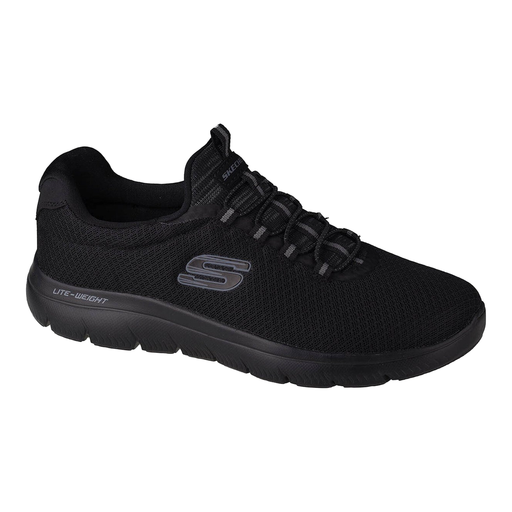
Why it suits this profile: This slip-on style has a knitted mesh upper, bungee lacing and a memory foam insole. It’s a practical choice for everyday wear if you want to slip your shoes on quickly without tying traditional laces.
The product page describes a regular fit and recommends ordering your usual size. Still, compare this with your foot measurements before ordering.
Mesh upper, rubber sole and slip-on design; a practical option if you’re looking for size 41 trainers.
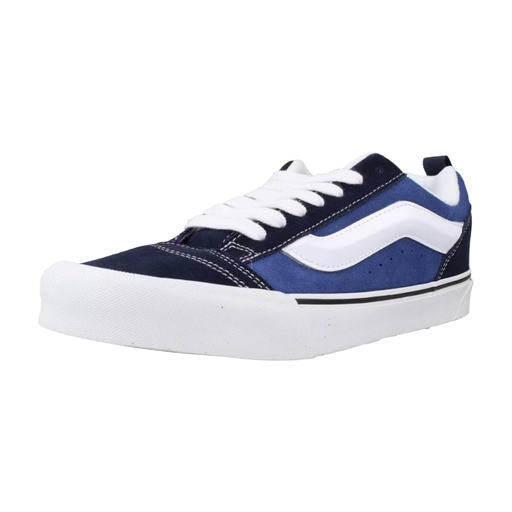
Why it suits this profile: These blue men’s trainers combine a suede upper with a leather lining, a textile insole and a natural rubber outsole. The style works well with skatewear and streetwear outfits.
The materials are clearly specified, and the care instructions recommend applying a protective spray before the first wear. That makes it clear that suede needs extra care.
Suede and leather details; natural rubber sole; striking navy and white colourway.
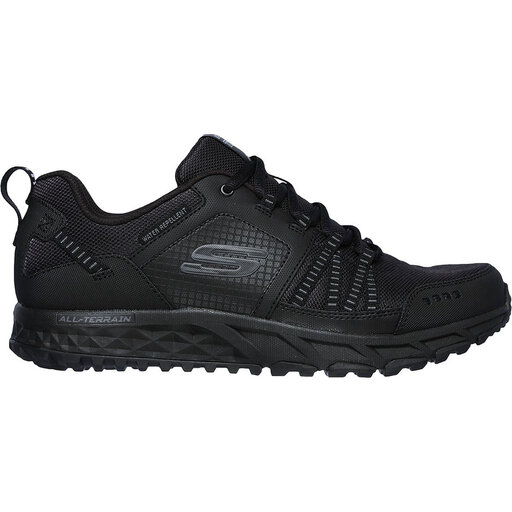
Why it suits this profile: This style has a lace-up fastening, rubber outsole, shock-absorbing midsole, mesh side panels and water-repellent material, according to the product description.
The features are described in specific terms: breathable mesh panels, a sturdy rubber sole and a regular fit. This makes it easier to compare with other styles than relying on the word ‘comfort’ alone.
Shock-absorbing midsole, rubber outsole and water-repellent material; listed in size 45 with a regular fit.
We’ve put together a complete, up-to-date list of products that meet these strict selection criteria and the applicable European safety regulations.
How long your trainers last depends on how you wear them, their materials and fit, and how well you care for them. A few simple habits can help reduce wear and tear:
Black men’s trainers are often easy to pair with outfits, but dirt can show up on light-coloured soles and textile. Leather men’s trainers usually need different care from synthetic styles. So look beyond the colour and check the full list of materials.
Choose a style that fits your feet, has a rubber outsole and features an upper suited to the weather and your care routine. Mesh can work well for a lightweight, sporty shoe; leather, suede and synthetic materials offer a different look and need different care.
Use the size chart for the specific product. Measure both feet and use the longer foot as your guide. Check the fit advice, too: some styles fit true to size, while others may run large or small. A good fit, with no pinching around the toes, matters more than the number on the label alone.
It depends on the style. Some Skechers product pages say that the shoes are machine-washable, while Vans and Converse styles often need to be cleaned with a damp cloth. Always follow the care instructions for the pair you choose, and leave your shoes to dry naturally.
