
Vandaag of morgen in huis

Kwaliteit gegarandeerd

Welkomstaanbiedingen ontgrendelen: GRATIS bezorging | Tot 80% korting | Gratis 30 dagen JoyPlus-proefperiode
Download de app
Looking for men’s trainers for work, walking, a casual outfit or training? You’ll quickly run into a maze of models, brands and technical terms. A low price, striking colour or big-name logo on its own says little about whether a shoe suits the way you’ll use it.
The biggest differences often come down to fit, materials and the sole. Below, you’ll find what to look out for, which marketing claims to double-check, and which models suit different situations.
Many men’s trainers have a running look but are meant for everyday wear. A casual trainer with a flat sole can look great with jeans, but might provide less support on longer runs. Always check the product description and the intended use.
For men’s running shoes, things like the midsole type, flexibility and the tread pattern of the outsole matter. A road shoe also isn’t the same as a shoe for muddy trails or uneven ground.
Words like comfortable, soft and cushioned are often general descriptors. Look instead for concrete details:
According to adidas product information, models such as the Runfalcon 5 feature a Cloudfoam midsole and an Ortholite insole. Those are verifiable product specs; how comfortable the shoe feels still depends on your feet and how you use it.
Sizing can differ by brand and model. Don’t just look at the EU size; also check the stated foot length in centimetres. Some models are available from sizes 40 to 47.5, while others have a narrower range.
Measure your feet at the end of the day, wearing the socks you usually use. Compare your longer foot with the size chart and allow enough room at the toes. A shoe that’s too short usually stays uncomfortable, even if the materials still need breaking in.
Laces let you adjust the shoe around the instep, which is handy if your feet aren’t exactly the same shape. Also check whether the manufacturer notes “true to size” or “fits normal”. Treat this as guidance, not a guarantee.
Examples from the range:
Mesh generally lets more air through and suits light men’s sports trainers and everyday wear. Synthetic leather wipes clean easily and gives a more closed look. Leather and suede can offer a sturdier aesthetic, but often need specific care.
Also check the lining. A textile lining can improve comfort, but ventilation depends on the shoe’s overall construction.
A flexible rubber outsole can be suitable for daily walking on paved surfaces. For training or running, the midsole construction and grip are more important. Products with named cushioning tech should be assessed on the construction described, not just the marketing.
According to New Balance product information, the U1906ROB and U2002RCE use ABZORB cushioning among other features. According to Nike product information, the Zoom Vomero 5 has Zoom Air units. These are brand and product claims; they tell you which technology is listed, but they don’t guarantee exactly how the shoe will feel for every wearer.
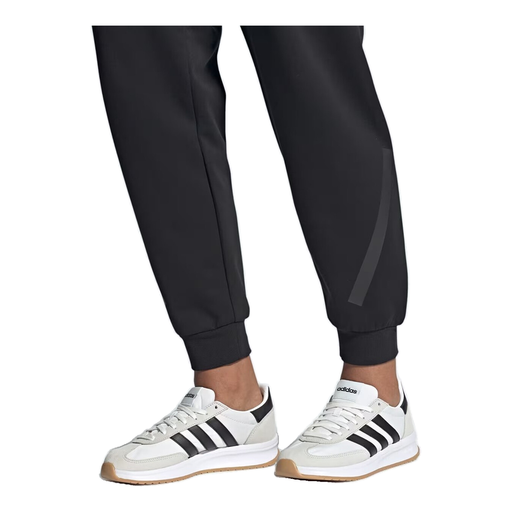
Why this suits the profile: An easy-going retro style for everyday wear, errands and casual outfits.
The product information clearly states its intended use, materials and sole. That makes it easy to compare without relying solely on the retro look.
Synthetic leather and textile upper, textile lining and a light, flexible rubber outsole. Available in size 40 with a stated foot length of 25.5 cm.
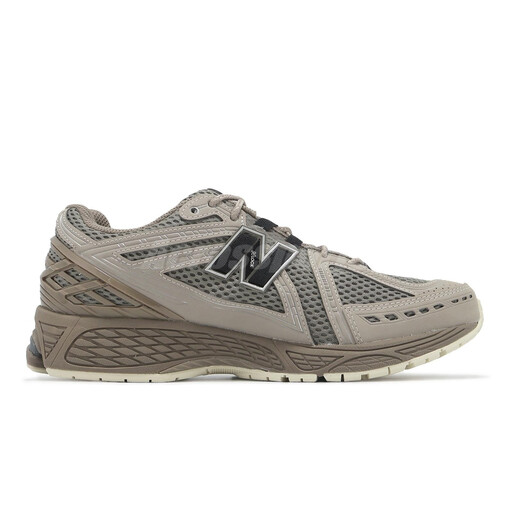
Why this suits the profile: A generous size option for anyone after a retro running-shoe style for daily wear and light activity.
The mesh and synthetic components are clearly listed. ABZORB midsole cushioning and Stability Web technology are also described in the product information.
Breathable mesh, synthetic overlays, ABZORB cushioning and a rubber outsole. The size shown is 47.5.
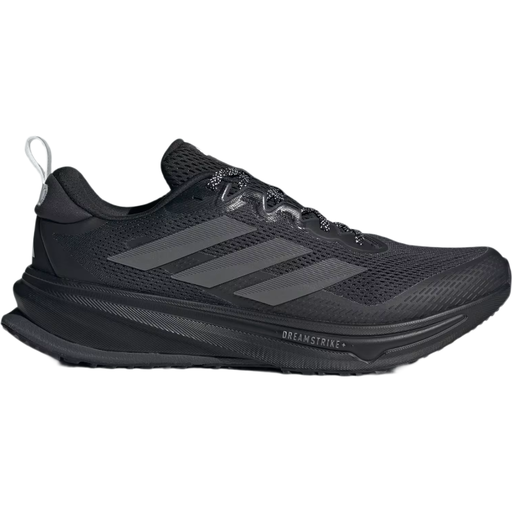
Why this suits the profile: Designed for sporty users who want a model that can handle different surfaces and activities.
The ATR version, adjustable lace closure and synthetic rubber outsole are explicitly listed. That makes the use case clearer than with a standard lifestyle trainer.
Padded insole, lace-up closure and a durable synthetic rubber sole. The size available in this product listing is 42 2/3.
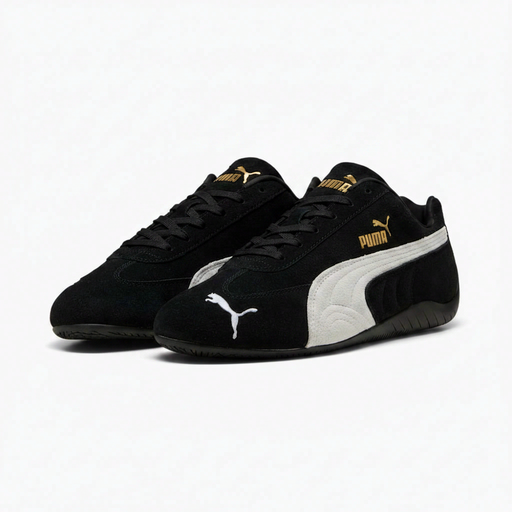
Why this suits the profile: A low-cut model with a sleek retro look for city use, downtime and casual outfits.
The regular fit and full material build are listed. That lets you weigh the slim, lifestyle-focused shape against roomier men’s sports trainers.
We’ve put together a complete, up-to-date list of products that fully meet these strict selection criteria and comply with current European safety regulations.
How long they last depends on how often you wear them, the surfaces you walk on, your body load and your care routine. If you want them to stay looking smart for longer, don’t wear the same pair every day for every activity. Let moisture escape naturally and avoid direct heat from a radiator.
Always check the care label. Many models in this selection are, according to the product information, not machine washable. Wipe adidas Run 70s models with a damp cloth as instructed. For mesh and synthetic parts, New Balance advises gentle hand-cleaning with a soft brush and mild cleaner.
Watch for wear on:
A worn sole can reduce grip. Replace a pair based on visible wear and a change in how they feel, not just a fixed timeframe.
Choose a model with a flexible rubber outsole, a fit that doesn’t pinch and enough cushioning for your walking distance. Casual mesh trainers are often light and airy. For longer walks, a sports trainer with a more developed midsole can be more practical.
Measure both feet in centimetres and use the size chart for the specific model. Use the size for your longer foot as the starting point. Also compare width and the fit description. An EU size isn’t exactly the same across all brands.
Remove dirt promptly with a soft brush or damp cloth. Don’t use bleach unless the care label explicitly allows it. Let trainers air-dry and avoid a tumble dryer or direct heat. Stains are more noticeable on white trainers; on black trainers, dust and light scuffs can stand out instead.
