
Vandaag of morgen in huis

Kwaliteit gegarandeerd

Welkomstaanbiedingen ontgrendelen: GRATIS bezorging | Tot 80% korting | Gratis 30 dagen JoyPlus-proefperiode
Download de app
In the Netherlands, a pair of men’s trainers often needs to handle several tasks: cycling to work, walking through town, doing the shopping and pairing with jeans or chinos. Yet many purchases end up disappointing. A shoe may look sturdy in photos, but in practice provide too little support, get dirty quickly or fit differently than expected.
Use this checklist to compare men’s trainers based on verifiable features rather than just the brand name or appearance.
Men’s retro trainers and minimalist models are easy to pair with different outfits. However, that says nothing about wearing comfort. So also check the lining material, sole construction and fastening system. Slip-ons are quick to put on, while laces allow you to adjust the fit more precisely.
A product description may mention cushioning, flexibility or shock absorption. According to the adidas Run 70s 2.0 product description, for example, this model has a lightweight, flexible construction and a rubber outsole. That makes it an option for everyday use, but not automatically a suitable running shoe for intensive training.
If you are looking for men’s sports shoes for running or indoor sports, pay particular attention to the intended use, fit and sole. For walking, work and casual outfits, other features are often more important.
Sizes vary between brands and models. Even within one brand, EU 42 may not feel exactly the same. So check the foot length in centimetres whenever it is provided. Also look out for half sizes and intermediate sizes, such as 42 2/3 or 43 1/3.
When ordering online, it is a good idea to measure your feet at the end of the day, wearing the socks you normally use. Compare your longer foot with the size guide for the specific model.
A rubber sole generally provides a practical foundation for everyday use and changing surfaces. In the product information, you can check whether the outsole is made of rubber and what type of construction is used.
No sole is suitable for every surface. A flat sole may feel comfortable on pavements, but be less suitable for muddy paths or intensive sport.
The upper partly determines how the shoe feels and how much maintenance it requires.
Bear in mind that “breathable” or “comfortable” is usually the brand’s description. Treat this as information about the construction, not as a guaranteed result for every wearer.
A regular fit with laces allows you to adjust the shoe around the instep. Slip-ons are convenient for quick use, but offer fewer adjustment options. Also check whether the model has a low profile. This may provide greater freedom of movement, but does not automatically mean that the shoe will suit every foot shape.
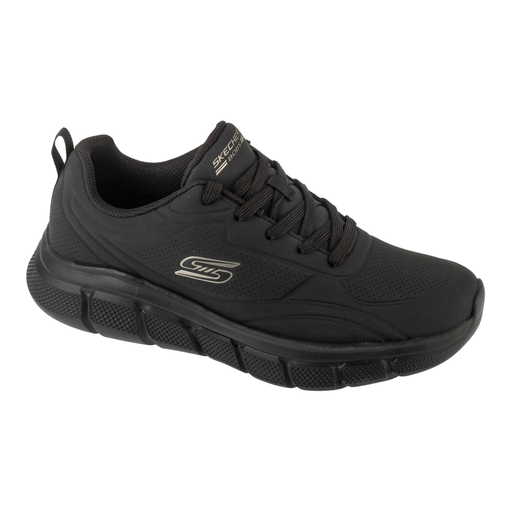
Why it suits this profile: This slip-on model is designed for easy everyday wear. According to the product information, the low-profile trainer has a synthetic upper, textile lining and a sole height of 3.5 cm.
The available specifications clearly state the materials and construction, so you do not have to rely on the photo alone. Machine washability is mentioned; however, always check the current care label before buying.
Slip-on construction; synthetic upper; textile lining; available in size 42.5.
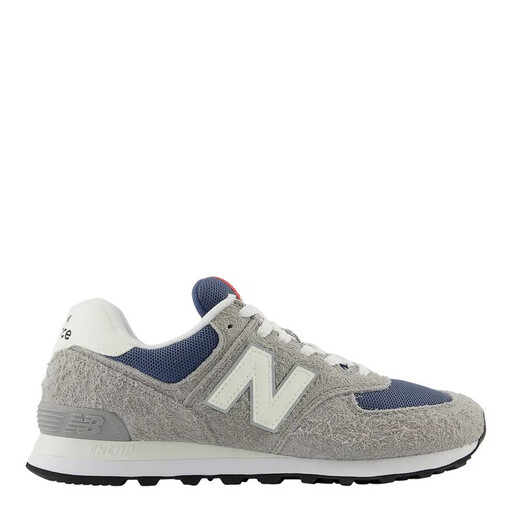
Why it suits this profile: The classic 574 shape combines a retro look with suede, mesh and a rubber outsole. This makes the model well suited to casual outfits and everyday use.
The material mix and sole are clearly specified. This helps you assess care requirements, grip and intended use compared with models that make only general comfort claims.
Suede and breathable mesh according to the product description; ENCAP midsole; rubber outsole; available in size 42.5.
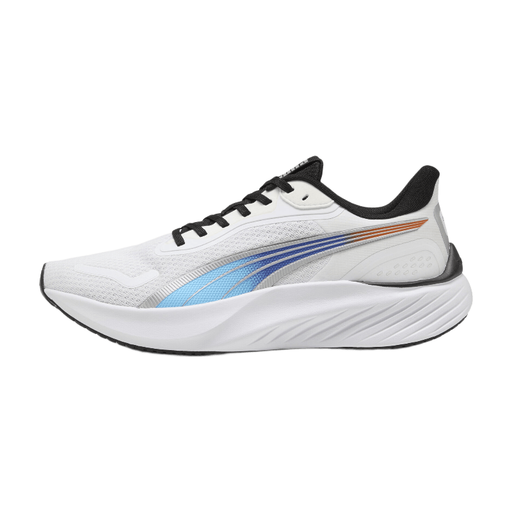
Why it suits this profile: According to the product information, this model is intended for running, training and everyday use. The lace fastening and PROTREAD outsole suit users who expect more movement and versatility.
The product information specifies the intended use, sole and fit. Even so, check whether the shoe is suitable for your sport and surface; “for training” is not a specification for every discipline.
PROTREAD rubber outsole according to the product description; lace fastening; textile and synthetic upper; size 42.
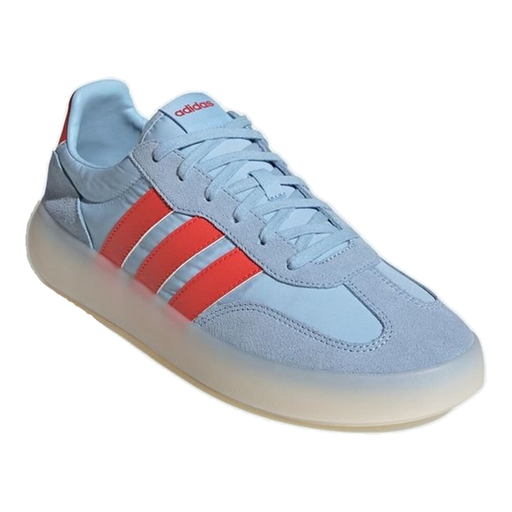
Why it suits this profile: The T-toe shape, suede and nylon upper and rubber cupsole give this model a sporty retro look. It pairs well with jeans, cargo trousers and casual streetwear.
The fit, lace fastening, materials and sole are described separately. This makes it easier to assess whether the model is suitable for everyday street use.
Suede and nylon; padded midsole; rubber cupsole; available in size 42 2/3.
We have compiled a complete, up-to-date list of products that fully meet these strict selection criteria and the applicable European safety regulations.
The lifespan of trainers depends on use, surface, body weight, fit and maintenance. A pair worn every day in rain and dirt will wear differently from a model used mainly indoors.
The statutory guarantee in the EU covers the product’s conformity. Several models in this overview state a minimum statutory guarantee of two years. Keep your order confirmation and contact the seller if there is a problem.
Measure both feet in centimetres and use the size guide for the model you have chosen. Do not look only at EU 42 or EU 43, as brands also use half sizes and intermediate sizes. If in doubt, foot length and the returns policy are more important than a general size guide.
That depends on the sole, fit and support offered by the specific model. Trainers with a rubber sole and cushioned midsole may be suitable for everyday walking, but a casual trainer is not automatically designed for long distances. For walking, choose a model with enough room around the toes and a sole with a suitable tread.
Always follow the care label. Synthetic sections can usually be wiped gently with a damp cloth. Suede requires a separate brush and should not be left wet for long periods. Do not use bleach, and allow shoes to dry naturally unless the manufacturer provides different instructions.
