
Vandaag of morgen in huis

Kwaliteit gegarandeerd

Welkomstaanbiedingen ontgrendelen: GRATIS bezorging | Tot 80% korting | Gratis 30 dagen JoyPlus-proefperiode
Download de app
In the Netherlands, a pair of men’s trainers often needs to handle several different activities. You might wear them to the office, on a walk around town, while cycling or for a light workout. But not every casual shoe is suitable for every use.
The most common buying mistakes usually come down to three recurring pitfalls:
For everyday trainers, a regular fit, a flexible rubber outsole and plenty of ventilation are often practical. If you walk a lot, consider a lightweight model with an EVA midsole or other cushioning construction.
For sporting activities, men’s sports shoes with a supportive heel and a grippy tread are a better choice. Walkers who use unpaved paths will benefit more from men’s walking shoes with a hard-wearing upper and a sole suited to loose surfaces.
A lifestyle model with a flat cupsole can be comfortable over short distances, but it isn’t necessarily suitable for a long walk.
Many comfortable men’s trainers are made from a combination of mesh, textile, synthetic leather or real leather. Each material has a different practical benefit:
Pay attention to the lining, tongue and insole too. A shoe can have a breathable upper, while a closed insole or thick lining still restricts ventilation.
A sole usually consists of several parts. The insole determines how the shoe feels when you first put it on. The midsole affects cushioning and flexibility. The outsole determines grip and durability.
A few examples:
Also check the size chart. Ideally, measure your foot at the end of the day and compare its length in millimetres with the stated EU size. The adidas Samba OG for men, for example, is listed as having a regular fit; some Skechers models are described as having a regular or roomier fit.
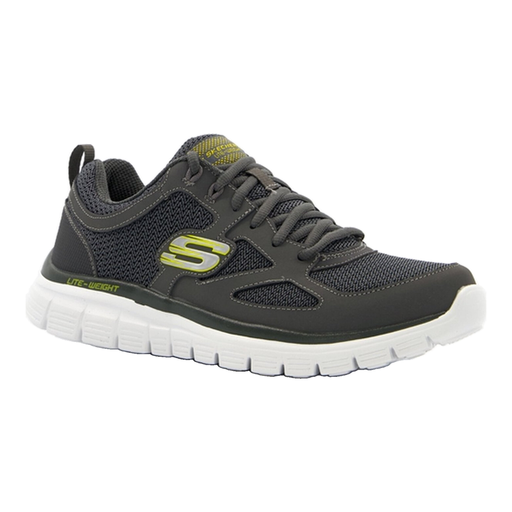
Why it suits this type of wearer: This model combines synthetic leather with mesh panels and a memory foam insole. It’s a practical choice for everyday wear, running errands and short walks.
The product description mentions not only memory foam, but also mesh for ventilation and a treaded sole for grip. That means you can look beyond a soft insole alone.
Mesh panels, rubber sole, lace-up fastening and a regular fit according to the product information.
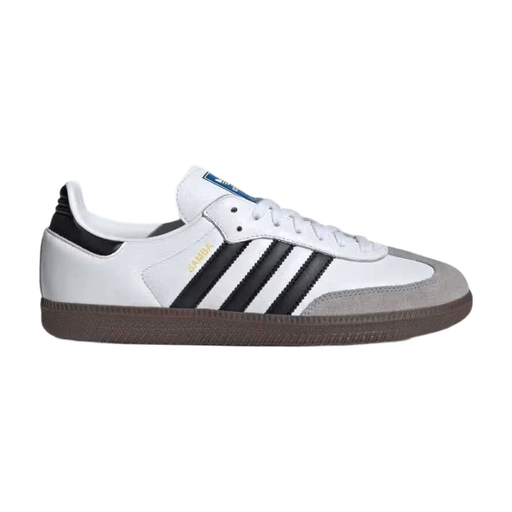
Why it suits this type of wearer: This trainer has a classic streetwear look, with a leather upper, suede overlays and a gum-rubber cupsole. It’s a good choice if materials and appearance are high on your list of priorities.
The product details make it clear that this is a lifestyle model. So you won’t automatically expect it to have the features of technical running or walking shoes.
Full-grain leather, suede overlays, lace-up fastening and a regular fit. The size chart lists foot lengths for each EU size.
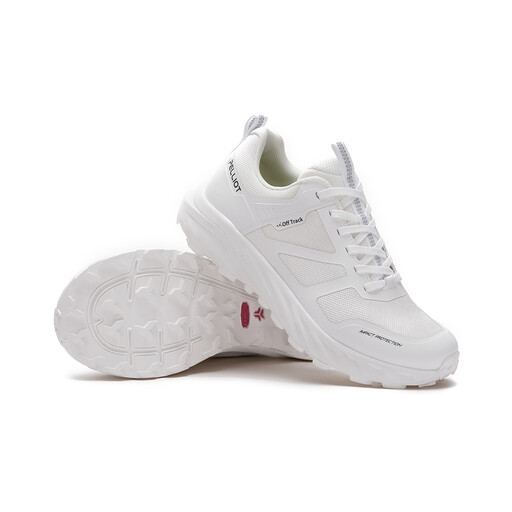
Why it suits this type of wearer: This model is designed for road-to-trail use and light sporting activities. Its mesh and woven upper, EVA midsole and ROCKYTEC outsole make it a good fit for anyone looking for more grip and ventilation.
The specifications state both the intended terrain and the type of sole. This helps you avoid mistaking the model for an ordinary casual shoe.
Lightweight sandwich mesh, EVA midsole, hard-wearing upper and grippy rubber ROCKYTEC outsole.
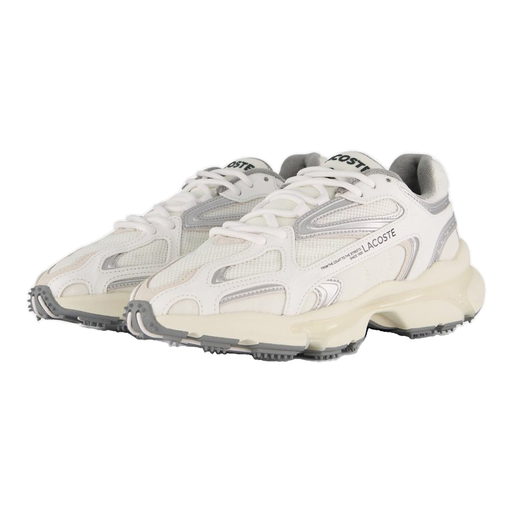
Why it suits this type of wearer: The combination of mesh, suede and synthetic overlays works well with a smart casual outfit. The padded tongue and OrthoLite insole are practical details for everyday wear.
The product information lists the materials, midsole and outsole separately. This lets you assess style, ventilation and grip individually.
Breathable mesh and suede upper, TPU-wrapped EVA midsole, OrthoLite insole and rubber outsole with an anti-slip tread.
We’ve put together a complete, up-to-date list of products that meet these strict selection criteria and the applicable European safety regulations.
Their lifespan depends on how far you walk, the surfaces you use them on, your body weight, the materials and how well you look after them. A pair worn every day will wear out faster than one you alternate with other shoes. Check the sole, seams and heel lining regularly. Replace your trainers when the sole becomes visibly smooth, develops cracks or no longer provides even support.
Memory foam trainers can feel comfortable, but memory foam alone doesn’t tell you everything about walking comfort. Check the shape of the sole, the fit, flexibility and grip too. For longer walks, a model with a suitable midsole and stable outsole is usually a better choice than one with just a soft insole.
Remove loose dirt with a soft brush and follow the product’s care instructions. Don’t automatically machine-wash textile or mesh shoes: some models should only be cleaned with a damp cloth and mild soap. Leave shoes to air-dry, away from direct heat. This helps prevent distortion and unnecessary wear.
