
Vandaag of morgen in huis

Kwaliteit gegarandeerd

Welkomstaanbiedingen ontgrendelen: GRATIS bezorging | Tot 80% korting | Gratis 30 dagen JoyPlus-proefperiode
Download de app
Choosing a new pair of men’s trainers seems straightforward, until you have to decide between sporty styles, black men’s trainers, casual shoes and running shoes. Marketing terms such as “extra comfort”, “lightweight” and “maximum grip” don’t tell you much on their own. It’s the construction, sizing and intended use that determine whether a pair stays comfortable.
A trainer for everyday wear isn’t automatically suitable for running. For walking on tarmac, a flexible rubber sole with cushioning is often enough. When running, fit, stability and the type of surface matter more. For mud, loose stones or wet paths, trail running shoes with a pronounced tread are a better choice.
So don’t automatically use a casual style for long running sessions. Check the sole, weight, flexibility and the manufacturer’s description.
A size 42, 43, 44 or 47 isn’t identical across every brand. Width matters too. A standard-fit style may feel different from a shoe with a roomy last or a narrow fit.
Ideally, measure your feet at the end of the day. Wear the socks you’d normally wear with your trainers and compare your foot length with the size chart on the product page. A little room around the toes is useful in running shoes, while a casual trainer can often fit a little closer.
Trainers with Memory Foam may feel soft, according to the product description, but that doesn’t mean they’ll provide the same support for every foot. Also consider the sole thickness, width, lacing and whether the insole is removable. Several Skechers men’s trainers in this guide have a non-removable insole. This is worth bearing in mind if you use your own insoles.
Mesh and woven textiles generally let more air through than a fully closed synthetic upper. This can feel more comfortable for walking, gym workouts or your daily commute. Synthetic leather is often easier to wipe clean, but may feel less breathable.
Check the lining too. An unpadded or unlined construction can help air circulate, but won’t feel the same to everyone. The PELLIOT styles use sandwich mesh and woven material; according to the product information, the upper is designed for ventilation and a lighter feel.
Many trainers use EVA foam in the midsole. This material can make for a lightweight construction and a springy feel. However, cushioning isn’t the only factor: a higher sole may feel less stable, while a flatter style gives you more direct contact with the ground.
The PELLIOT Running Shoes are listed as having an elastic EVA midsole. PUMA describes the Pounce Lite as having a lightweight foam construction. Treat this information as a product specification, not a guarantee that the shoe will feel the same to every wearer.
A flat rubber sole is usually a good fit for the city, work and casual outfits. A deeper tread is more useful on wet or loose surfaces. According to the product description, the PELLIOT shoes have a ROCKYTEC rubber outsole designed to provide grip on surfaces including wet rocks, mud and sand. The mention of Vibram Megagrip applies only to selected versions, so check the exact variant.
For gym workouts and everyday wear, grip, flexibility and durability matter more than a prominent tread. For outdoor paths, pay particular attention to the spacing between the tread blocks and the protection around the toe and heel.
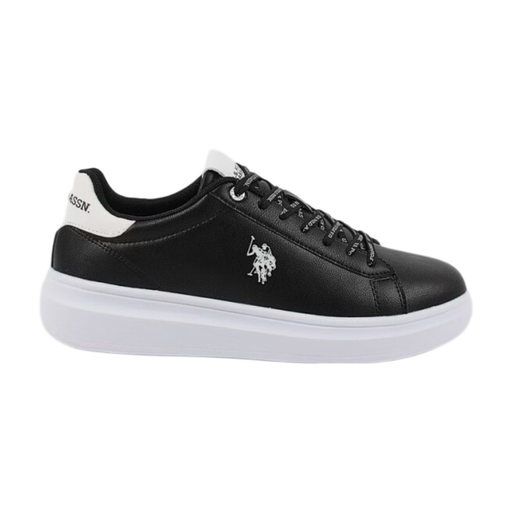
Why it suits this profile: A black lace-up trainer for everyday wear, shopping and casual outfits.
The product information specifies a standard width, a lightly padded insole and a rubber sole. Do check that size 45 and the fit are right for your feet.
Black synthetic leather with mesh and a rubber sole make this a versatile choice for casual outfits.
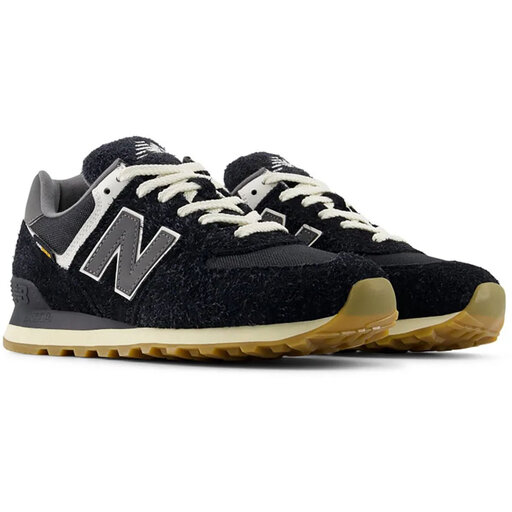
Why it suits this profile: For anyone after a retro look that works with jeans, chinos and sporty casualwear.
The materials are clearly listed as suede and breathable mesh, so it’s easier to see that this is mainly an everyday, casual style.
Suede and mesh, a rubber outsole and a classic silhouette, according to the product description.
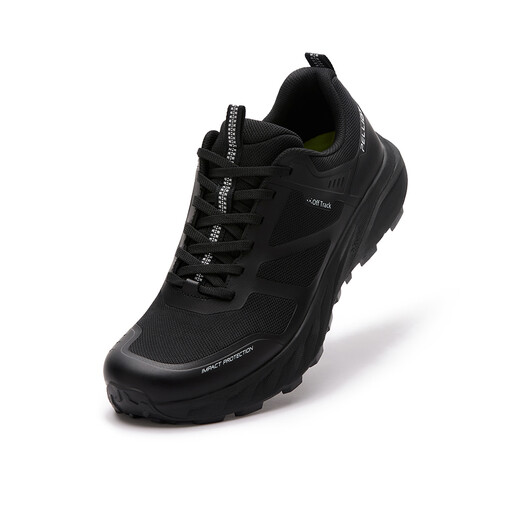
Why it suits this profile: For running, walking and routes that switch between tarmac and unpaved paths.
The specifications list mesh, an EVA midsole and a ROCKYTEC rubber outsole. This gives you a clearer idea of what the shoes are designed for than general claims about comfort.
Lightweight sandwich mesh, responsive EVA cushioning and a treaded sole for different surfaces.
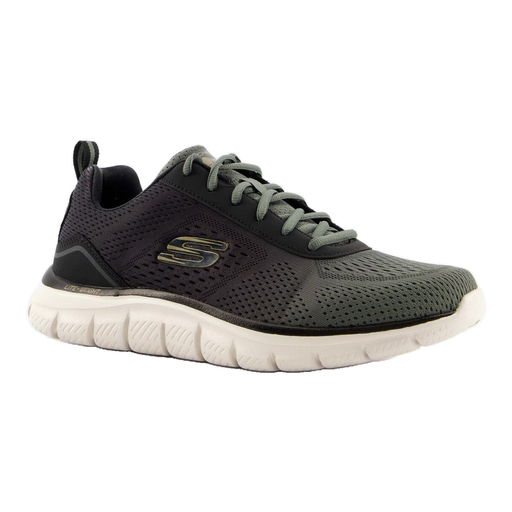
Why it suits this profile: For long days, light workouts and casual wear when you want a soft insole.
Size 43 is listed as a standard fit, and the fixed Memory Foam insole is clearly specified. Check this if you want to use your own insole.
Textile upper, mesh panels, Memory Foam and a rubber outsole with tread.
If you’re looking for large-size trainers, pay extra attention to the available foot length and width. The range includes sizes 42, 43, 44 and 47, among others. Some styles are also available in 47.5. A larger size isn’t necessarily wider, so check the stated width, such as D or standard.
Care mainly helps keep your trainers looking smart. Remove dirt with a soft brush or damp cloth and mild soap. Only machine-wash shoes if the product information explicitly says it’s safe to do so. Leave them to air-dry, away from radiators and hot air. Their lifespan depends on how far you walk, the surfaces you use them on, your body weight, how you rotate between pairs and how well you care for them.
We’ve put together a complete, up-to-date list of products that meet these strict selection criteria and the applicable European safety regulations.
Yes, black men’s trainers are easy to pair with jeans, chinos and sportswear. Choose a breathable upper for warm days and a rubber sole with plenty of tread if you spend a lot of time outdoors.
Measure both feet in millimetres and use the size chart for the specific style. Check the width too, and read the information about “standard fit” or “slim fit”. Don’t assume that fit information for one brand applies to another without checking.
There’s no set lifespan. Daily, intensive wear will wear down the sole faster than occasional use. Look out for smooth tread blocks, cracks, loose sections and a compressed midsole. If the shoe no longer feels stable or comfortable, it’s wiser to replace it rather than relying on its age alone.
