
Vandaag of morgen in huis

Kwaliteit gegarandeerd

Welkomstaanbiedingen ontgrendelen: GRATIS bezorging | Tot 80% korting | Gratis 30 dagen JoyPlus-proefperiode
Download de app
Choosing a new pair of men’s trainers might seem straightforward, but marketing claims can make it difficult to compare your options. A soft sole isn’t automatically suitable for running. A breathable upper won’t help much if the shoe is too narrow. And a rubber tread isn’t the same as reliable grip on wet woodland paths.
Watch out for these three common pitfalls:
Measure both feet at the end of the day, wearing the socks you’d normally wear with your trainers. Note the length in centimetres and compare it with the product’s size guide. For sports, leave a little extra room around your toes, but make sure your heel doesn’t lift as you walk.
Check the width, too. A standard-fit model won’t always suit a wider foot. For example, PELLIOT running shoes are available in standard and slim-fit versions, according to the product information. The LI-NING Yueying 6 model is described as having a wider toe box.
For everyday wear, a flexible rubber sole and a lightly padded insole may be enough. If you’re looking for comfortable trainers for walking long distances, you could also consider:
According to its product description, the adidas Runfalcon 5 has a Cloudfoam midsole and an OrthoLite insole. The adidas Supernova Ease M uses full-length Dreamstrike foam, according to its description. These are verifiable product specifications, but how soft they feel may vary depending on your feet and how you use them.
Mesh and textile uppers are generally lightweight and allow air to circulate. Synthetic leather, leather and overlays can provide extra structure or protection. No material is ideal in every situation:
The Salomon XA Pro 3D v9 GTX is described as having a GORE-TEX membrane, a 3D Advanced Chassis and a Contagrip outsole. This type of shoe is therefore a more logical choice for wet paths and technical terrain than a flat casual trainer. The PUMA Speedcat OG, on the other hand, has a flat heel and rubber outsole, making it better suited to casual wear than long runs on unsurfaced terrain.
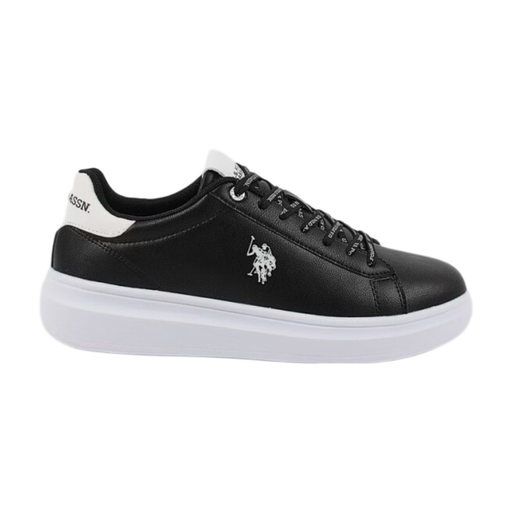
Why it suits this profile: A black casual trainer for everyday wear, such as commuting, shopping and leisure.
The product information lists a standard width, lace-up fastening and lightly padded insole. Make sure size 45 is right for your foot length.
Synthetic leather and mesh; rubber sole; versatile black colour.
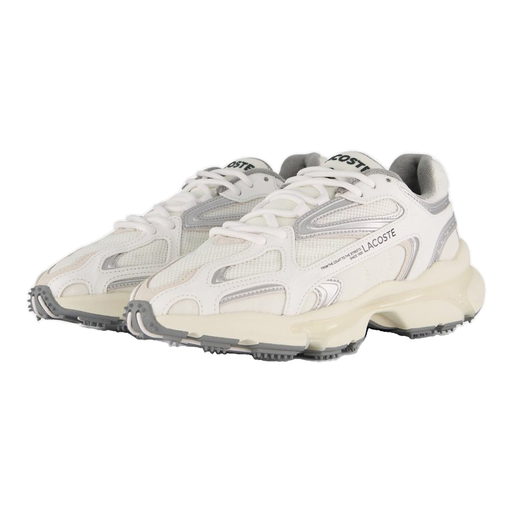
Why it suits this profile: For anyone looking for a polished lifestyle trainer that combines everyday comfort with a sporty look.
The materials are clearly specified: mesh and suede with synthetic overlays, a padded tongue and an OrthoLite insole. It’s still a lifestyle model, not a trail shoe.
Rubber outsole with tread; TPU-wrapped EVA midsole; size 45 listed as available in the product listing.

Why it suits this profile: Designed for trail running, walking and outdoor use on varied or technical terrain.
The product description lists a GORE-TEX membrane, Quicklace system, reinforced toe and heel, and Contagrip rubber. Check the sizing carefully, as a technical shoe needs to fit securely.
Waterproof membrane according to the product specification; 3D Advanced Chassis; treaded sole for wet and dry terrain.
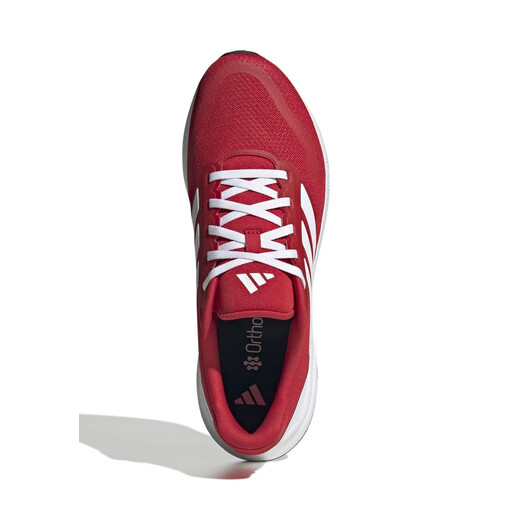
Why it suits this profile: A lightweight model for everyday running and short distances on paved roads.
According to the product information, this shoe is specifically designed for road running and distances of 0–10 km. That gives it a clearer purpose than a general-purpose trainer.
Mesh upper; Cloudfoam midsole; Adiwear outsole; lace-up fastening for an adjustable fit.
We’ve put together a complete, up-to-date list of products that meet these strict selection criteria and the applicable European safety regulations.
Choose a flexible rubber sole, a comfortable insole and an upper that suits the season. Mesh feels good in warmer weather, while synthetic leather is easier to wipe clean. For everyday wear, casual models such as US POLO ASSN or Skechers trainers make more sense than heavy trail-running shoes.
Their lifespan depends on how far you walk, your body weight, the surfaces you use them on, how well you care for them and how often you wear them. Check the soles for smooth patches, cracks and uneven wear. Rotating between two pairs can give the materials more time to recover. Only wash your trainers according to the manufacturer’s care instructions, and leave them to air-dry.
Not necessarily. Comfort depends on fit, foot width, cushioning and what you’ll use the shoes for. A technical model with a waterproof membrane may be unnecessary for city wear, while a basic casual trainer might not be suitable for trails. So check the product specifications and size guide before considering the price or brand.
