
Vandaag of morgen in huis

Kwaliteit gegarandeerd

Welkomstaanbiedingen ontgrendelen: GRATIS bezorging | Tot 80% korting | Gratis 30 dagen JoyPlus-proefperiode
Download de app
In the Netherlands, a pair of men’s trainers often has to fulfil several roles: commuting, doing the shopping, walking around town and completing a casual weekend outfit. However, not every men’s trainer is suitable for all these situations. An attractive appearance or a well-known brand name says little about fit, breathability or durability.
With this guide, you can compare comfortable men’s trainers, casual men’s trainers and sporty models using verifiable product details. This helps you avoid a purchase that starts to pinch, feels too warm or provides insufficient grip after only a short time.
Words such as “soft”, “lightweight” and “shock-absorbing” are only useful when it is clear what they are based on. Check the sole material, the type of insole and the construction of the upper. A model with Memory Foam may feel comfortable, but a non-removable insole leaves less room for your own orthotic.
A size 42 trainer is not the same length or width in every brand. The fit can also vary from one model to another. Some models are listed as having a regular fit, while others run larger or smaller. Ideally, measure your foot at the end of the day and compare its length with the size chart for the specific product.
Also consider the width. A standard D width may suit many feet, but it is not automatically suitable for a broad forefoot.
Many men’s sports shoes are suitable for everyday use or light sporting activities, but that does not automatically make them suitable for running, indoor football or intensive training. Consider grip, stability, cushioning and fastening. If technical information for your sport is not provided, do not choose the shoe based on its appearance alone.
A rubber outsole generally provides a practical foundation for use on the street. Also check the tread. A flat sole can be comfortable for a casual model, while a more pronounced tread may offer better grip on wet or uneven surfaces. No sole can prevent slipping in every circumstance.
A thicker sole can provide extra height and cushioning, but may also make a trainer heavier or less flexible. Decide whether you mainly want comfort for walking or a lightweight shoe for short journeys.
Textile and mesh can feel more breathable than fully synthetic materials. Suede and synthetic leather often create a more structured look, but require different care. Also check the lining, as a textile lining can affect how the shoe feels to wear.
Pay attention to the care instructions. Some shoes may only be cleaned with a damp cloth. Machine washing can damage the shape, adhesive bonds or materials, even if another version from the same brand is machine-washable.
Laces allow precise adjustment. Elastic laces, bungee cords and slip-on constructions are quicker to put on, but may offer less scope for adjustment. A heel loop helps you put the shoes on without deforming the heel.
Check whether the insole is removable if you use your own orthotics. Also look at the sizing advice: “regular fit”, “runs large” and “runs small” are important indications, but always compare them with the stated size chart.
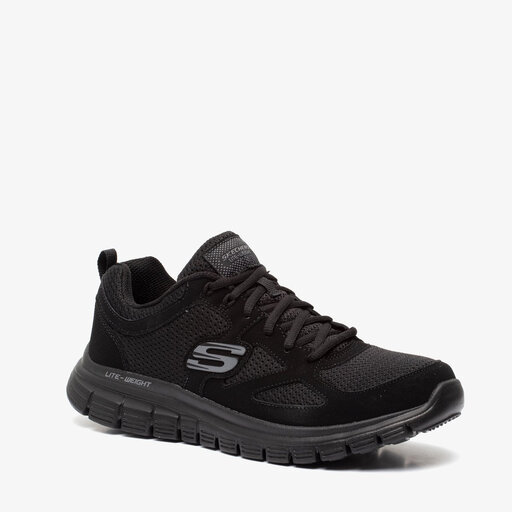
Why it suits this profile: This black model is designed for everyday use and combines a lace fastening with a heel loop. Its regular D-width fit makes it an easy choice for anyone looking for their first pair of men’s trainers.
The product information specifically mentions a Memory Foam insole, mesh inserts and a rubber outsole. This allows you to assess comfort and breathability more effectively than relying on a marketing name alone.
Synthetic leather upper, mesh inserts, textile lining and a lightweight, flexible sole with a rubber outer layer.
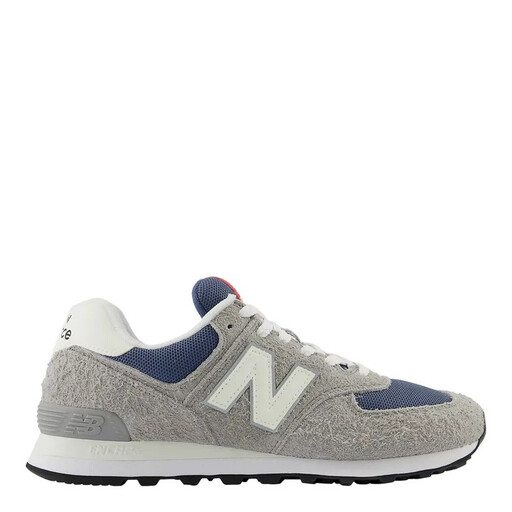
Why it suits this profile: The classic shape works well with casual clothing, denim and sporty outfits. It is a logical choice for anyone looking for retro men’s trainers with a suede and mesh upper.
The specifications list the ENCAP midsole, mesh, suede and rubber outsole separately. Do check that these materials suit your care routine; machine washing is not recommended as a general care method.
ENCAP midsole, suede with breathable mesh and a rubber outsole. The product information states that it comes with a statutory EU warranty of at least two years.
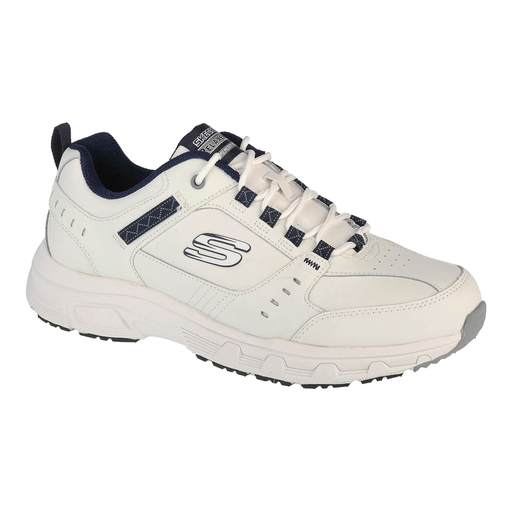
Why it suits this profile: The Relaxed Fit construction, lace fastening and pronounced tread are practical for longer walks and everyday outdoor use.
The fit, stabilising elements, padded collar and flexible rubber outsole are described separately. This makes it clearer what the shoe is designed for than a general comfort claim would.
Memory Foam insole, roomy Relaxed Fit, stabilising midsole and rubber outsole with good grip. The stated fit is a regular D width.
If you want to put your shoes on quickly, consider men’s slip-on trainers such as the Skechers Slip-Ins Summits - High Range in taupe. The product information lists a synthetic upper, rubber sole and regular fit. However, laces remain more practical when you want maximum adjustability.
For a neutral wardrobe, black men’s trainers such as the Skechers Bobs Sport Sparrow 2.0 are a versatile option. This model has a textile upper, mesh for breathability and a removable insole. Pay attention to the sizing advice: according to the product information, this model runs large and one size smaller is recommended.
The New Balance 574 versions are suitable for anyone searching for New Balance 574 men’s trainers. The U574BCE and U574GWH combine suede, mesh, an ENCAP midsole and rubber outsole. The colour difference mainly affects how easily you can coordinate them with your clothes.
We have put together a complete, up-to-date list of products that fully meet these strict selection criteria and the applicable European safety regulations.
Choose a model with a fit you can adjust properly, a comfortable insole and a rubber outsole with a suitable tread. Casual models are often sufficient for the office and city use. For long walks, stability, lining and sole tread are more important than colour or brand alone.
Their lifespan depends on walking distance, body weight, surface, weather conditions and care. Regularly check the wear on the outsole, seams and heel. After a wet day, let your shoes dry at room temperature and, where possible, alternate between two pairs. This helps prevent unnecessary continuous strain on a single pair.
Measure both feet while standing and use the longer foot as your reference. Compare the measurement with the size chart for the model. Ideally, try shoes on with the socks you normally wear. There should be some room for movement around the toes, while the heel should not slip excessively. If in doubt, the specific sizing advice on the product page is more important than a general assumption about your usual size.
