
Vandaag of morgen in huis

Kwaliteit gegarandeerd

Welkomstaanbiedingen ontgrendelen: GRATIS bezorging | Tot 80% korting | Gratis 30 dagen JoyPlus-proefperiode
Download de app
Choosing a new pair of men’s trainers seems straightforward. Yet many buyers find after a few weeks that the toe box is too narrow, the grip is poor or the insole is unsuitable for how they use the shoes. Marketing terms such as “extra comfort”, “lightweight” and “breathable” only tell you something when you look at the actual materials, fastening and sole construction.
This buying guide helps you compare men’s trainers for everyday use, walking, training or running. You will also find a selection of models for different foot shapes and uses.
Many shoes use Memory Foam or a similarly soft footbed. This can feel pleasant when trying them on, but check whether the insole is removable. Several men’s Skechers trainers in this selection have a non-removable insole. This limits the space available for your own insoles or additional adjustments.
A model such as the Skechers Bobs Sport Sparrow 2.0 does have a removable insole, according to the product description. This makes this type more practical for buyers who want to use their own insole.
A mesh or textile upper may feel airier than fully synthetic material, but ventilation also depends on the lining, the thickness of the overlays and the fit. Therefore, look for specific information such as mesh panels, a textile lining or a knitted upper.
Also consider care requirements. Some breathable trainers may only be cleaned with a damp cloth. A washable model is not automatically suitable for intensive washing; always follow the care label.
A shoe with a standard fit can still feel different because of the last, toe space and thickness of your socks. Product information sometimes states “true to size”, while other models are described as running large or offering extra room in a half size up.
Therefore, measure your foot in centimetres and compare it with the size chart. Ideally, try shoes on at the end of the day while wearing the socks you normally use. This prevents you from relying solely on EU sizes 40 to 47.5.
For trainers for everyday use, a flexible rubber outsole with a soft midsole is often practical. If you run regularly, you will benefit more from a model whose product description provides information about the midsole, such as EVA, Cloudfoam or another foam construction.
Pay attention to the difference between:
Claims about rebound, shock absorption or extra stability come from the brand’s product information. Treat them as product specifications rather than medical guarantees.
A standard last, designated D, suits many feet. If you have a wider forefoot, check whether the shoe explicitly has a roomy toe box or a wide fit. According to the product description, the LI-NING Yueying 6 is available with a wide toe box. The PELLIOT models distinguish between a standard-fit and a slim-fit version.
The shoe should hold your heel securely without pinching. There should be enough room for your toes to roll naturally. A wider running shoe is not necessarily suitable if it causes your heel to slip.
Laces generally offer more ways to adjust the fit than a slip-on construction. Pull-tabs can make the shoes easier to put on, but they do not replace a secure heel fit.
For wet Dutch pavements and cycle paths, it is sensible to look for:
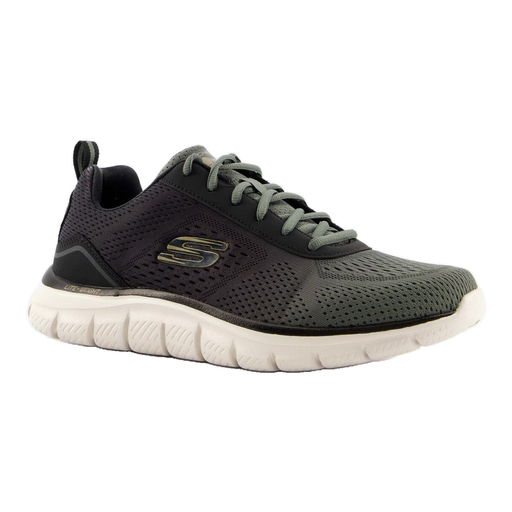
Why it suits this profile: This model is designed for everyday use and combines a standard fit with a textile upper, mesh panels and a treaded rubber sole. The fixed Memory Foam insole is particularly useful if you do not use your own insole.
The product information specifically mentions a standard fit, mesh panels and a fixed insole. This means you do not have to rely solely on vague comfort claims.
Textile with mesh, lace fastening, pull-tab and rubber outsole with grip and cushioning according to the product description.
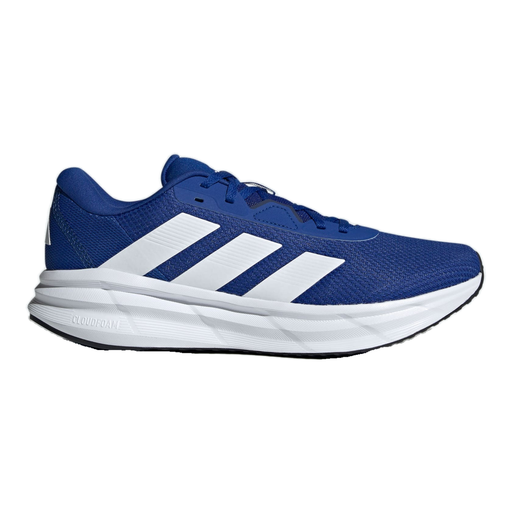
Why it suits this profile: If you are looking for one pair for walking, everyday use and easy runs, this model offers a clearly defined construction with a Cloudfoam midsole, textile upper and TPU outsole.
The specifications list the fit, fastening, midsole and outsole separately. This lets you assess cushioning and grip more effectively than by relying on the word “comfortable” alone.
Cloudfoam midsole, standard fit, textile lining and TPU outsole according to the product details.
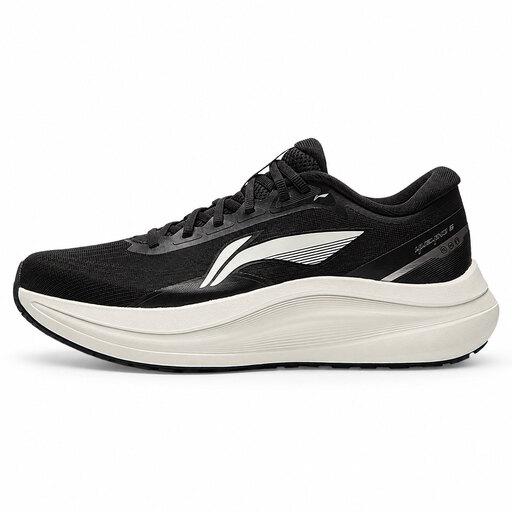
Why it suits this profile: According to the product description, this model is designed for outdoor sports and running. It has a wide toe box, a Tempo Bounce midsole and a rubber outsole with grip zones.
The wide toe box and sizing information make the fit easier to assess. For wider feet, the product information suggests considering going up half a size.
Wide toe space, full-length midsole and rubber sole with grip zones according to the product description.
We have put together a complete, up-to-date list of products that fully meet these strict selection criteria and the applicable European safety regulations.
Use this quick checklist before ordering:
Choose a model with a standard fit, flexible rubber outsole, sufficient ventilation and a fastening that you can adjust securely. Black men’s trainers are practical for everyday use because they are easy to pair with different outfits. However, check that the sole offers enough grip for your usual routes.
Their lifespan depends on distance walked or run, body weight, surface, maintenance and use. Look out for uneven outsole wear, seams coming loose, a midsole that remains compressed or reduced support around the heel. If you wear the same shoes every day, you may see wear sooner than someone who alternates between two pairs.
They can be, but it depends on the model. According to the product description, some adidas running shoes, PUMA running shoes and other lightweight trainers are suitable for both training and everyday use. Check that the design remains comfortable when standing for long periods and that the sporty fit is not too tight for your feet.
