
Vandaag of morgen in huis

Kwaliteit gegarandeerd

Welkomstaanbiedingen ontgrendelen: GRATIS bezorging | Tot 80% korting | Gratis 30 dagen JoyPlus-proefperiode
Download de app
In the Netherlands, a pair of men’s trainers often has to serve several purposes: commuting, shopping, a walk around town and sometimes a light workout. Yet after a few weeks, you may find that your shoes don’t offer enough support, get dirty quickly or don’t fit your feet properly. So the right choice starts not with colour or brand, but with how you plan to use them, the materials and the fit.
A trainer with a running-inspired shape isn’t automatically suitable for running. Men’s running shoes are generally designed with a lightweight upper, cushioning and a sole made for repeated footfall. A lifestyle model may be comfortable for walking or everyday wear, but it won’t always offer the same features for longer runs.
So check what the product description says the model is intended for. Does it say “running”, “training” or “daily wear”? Use that information as your starting point, and don’t expect one pair to perform equally well for every activity.
A size 42 from one brand may fit differently from a size 42 from another. Width, toe room and the shape of the toe box also affect comfort. Shoes that seem fine when you try them on can still pinch during a long day at work.
If possible, measure both feet at the end of the day and compare your foot length in centimetres with the product’s size guide. Also check whether the model has a regular or wide fit, and whether the insole is removable.
White men’s trainers look versatile, but fabric and suede hold dirt differently from synthetic leather. Leather trainers for men can feel sturdy, but they usually shouldn’t go in the washing machine. A knitted upper can feel breathable, while stains may be harder to remove.
Read the care instructions before you buy. “Easy to clean” is only useful if it’s clear what you can use to clean the shoes and how to do it.
For men’s shoes for everyday wear, weight and cushioning are practical considerations. A lightweight model can be comfortable for commuting or walks around town. According to the product information, the PUMA Pounce Lite features lightweight foam and a rubber PROTREAD outsole. This makes it an interesting option if you’re looking for a trainer for walking, training and everyday wear.
Cushioning is a personal choice. A soft sole won’t feel comfortable to everyone, and on its own it says nothing about whether the fit is right. Also look at how firm the heel is, how flexible the forefoot is and how the laces hold your foot in place.
If you regularly walk on wet pavements, paving stones or cycle paths in the Netherlands, trainers with good grip can be useful. Check the outsole material and its tread. Rubber is widely used because it’s hard-wearing and offers good contact with different surfaces.
A flat sole often suits casual wear, while a more defined tread can offer extra grip on walks over unpaved ground. According to the product details, the Skechers Selmen - Melano has a rubber tread sole and is designed for walking on hilly terrain. That’s a different purpose from a smooth-soled city trainer.
Mesh and fabric can feel more breathable than fully synthetic materials. Suede and leather often have a different look and need more care. Check the full material composition: some models combine mesh with synthetic overlays or leather panels.
Also look out for recycled materials, but be precise about what the claim means. The PUMA Pounce Lite product information states that at least 30% of its upper is made from recycled materials. The New Balance ML574EVM is listed as having mesh in the upper, collar and tongue made from 100% recycled polyester. This tells you something about the materials used, but it isn’t a general guarantee of the trainer’s overall sustainability.
The selection below is based on verifiable details such as materials, fastening, sole type, fit and stated intended use.
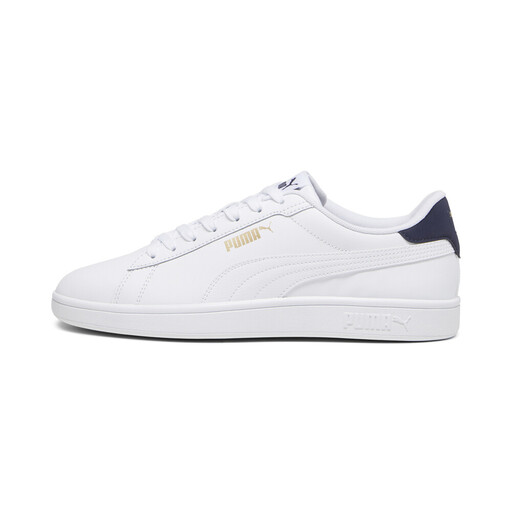
Why it suits this profile: The low-cut, tennis-inspired shape pairs easily with jeans, chinos and casual outfits. The regular fit and lace-up fastening make it a straightforward choice if you’re looking for your first pair of men’s trainers.
The product information specifies a regular fit, a padded collar and a rubber outsole. This makes key details about fit and grip clearer than they are for a model described only in fashionable terms.
SOFTFOAM+ insole according to the product information; upper made with at least 20% recycled materials; rubber sole.
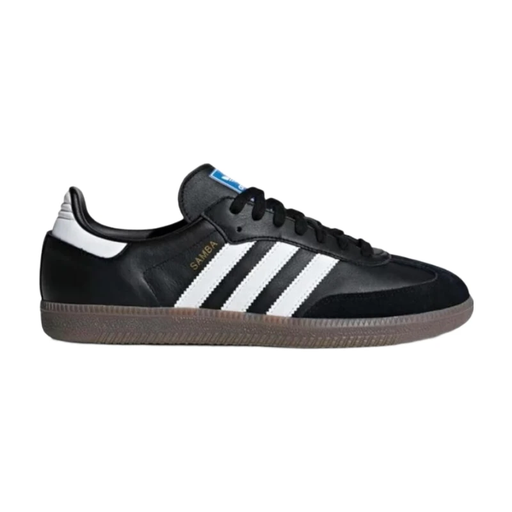
Why it suits this profile: This model is a good choice if you value a distinctive silhouette and carefully considered materials. The combination of leather, suede overlays and a gum rubber sole works well with a smart casual wardrobe.
The size information includes a detailed conversion between EU size, insole length and foot length. This helps you check the fit instead of relying on the brand label alone.
Leather upper with suede overlays; textile lining and insole; rubber outsole according to the product details.
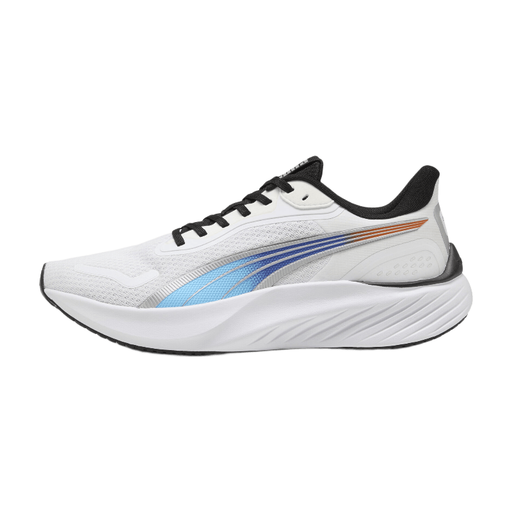
Why it suits this profile: According to the product information, this model is designed for running, training and everyday wear. It’s a relevant option if you’re looking for one sportier pair for several light activities.
The description specifies the foam, PROTREAD outsole, lace-up fastening and material composition. This gives you a clearer idea of what the shoes are designed for than a trainer marketed simply as “sporty”.
Lightweight foam; rubber outsole; upper made with at least 30% recycled materials according to the product information.
We’ve put together a complete, up-to-date list of products that meet these strict selection criteria and the applicable European safety regulations.
Use this quick checklist:
Their lifespan depends on how far you walk, your body weight, the surfaces you walk on, the materials and how well you care for them. A pair worn every day will wear out faster than one you alternate with other shoes. Look out for worn-smooth tread, cracks in the upper and a compressed sole. These are practical signs that it’s time for a replacement.
Only if the product information says the model is suitable for running. A casual shoe may be comfortable for walking, but running puts different demands on the sole and upper. For regular or longer runs, specific men’s running shoes are usually a more sensible choice than general casual trainers.
Always follow the care label. Many models shouldn’t go in the washing machine or tumble dryer. Remove loose dirt with a soft brush, use a slightly damp cloth and leave the shoes to dry at room temperature. Choose your care products according to the material—leather, suede, mesh and synthetic fabrics all need different treatment, so one cleaner won’t suit every upper.
