
Vandaag of morgen in huis

Kwaliteit gegarandeerd

Welkomstaanbiedingen ontgrendelen: GRATIS bezorging | Tot 80% korting | Gratis 30 dagen JoyPlus-proefperiode
Download de app
A pair of men’s trainers should suit the way you plan to use them. A pair for your daily commute needs different features from shoes for walking or indoor football. Yet many product pages rely on general terms such as “comfortable”, “sporty” or “lightweight”. These words tell you little without specific information about the materials, fit and sole.
Look out for these common pitfalls:
Don’t just look at the EU size. Check the stated fit and shoe width too. A shoe in width D is generally considered a standard width; width G offers more room. This difference may matter if you have wide feet or want to wear thicker socks.
For trainers in sizes 42, 44 and 45, it’s worth checking the size chart for the specific model. Sizing can vary between brands and models. If it says “true to size” or “order your usual size”, treat this as a guide, not a guarantee for every foot.
When trying them on, check for:
The upper plays a large part in how a shoe feels and how easy it is to care for. Textile and mesh can feel more breathable for everyday wear. Synthetic materials are often easier to clean and can provide more structure. Leather details or overlays can make the shoe sturdier, but don’t necessarily make it more breathable.
Dirt and wear may be less noticeable on black men’s trainers, while lighter colours show dirt more quickly. Always check the care instructions. According to the product information, some models can be machine-washed, while others should only be cleaned with a damp cloth.
The sole should suit the surface you’ll be using the shoes on. For casual wear, a flexible rubber sole and comfortable midsole are often practical features. For walking, a defined tread and good stability are important. Cushioning can make shoes more comfortable to wear, but the right amount varies from person to person.
With trainers with memory foam, the foam is in the insole and can mould to your foot. According to the relevant brands’ product information, it’s designed to provide extra comfort or cushioning. Comfort is a personal experience, though, and this feature alone doesn’t determine whether the shoe is right for you overall.
For indoor football shoes and futsal shoes, other features are key:
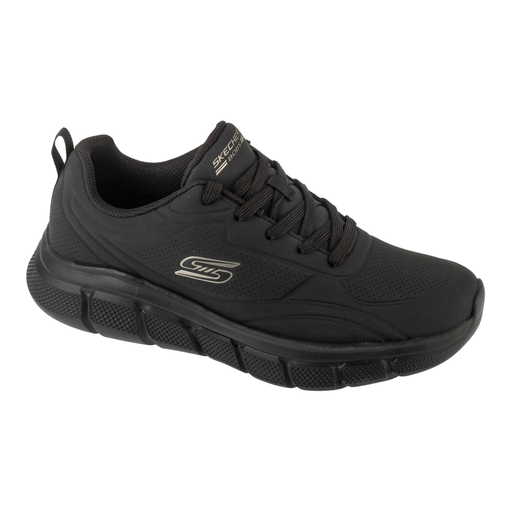
Why it suits this profile: This low-cut slip-on is designed for everyday wear and combines a synthetic upper with a textile lining. It’s a good option if you’re looking for a simple pair of casual men’s trainers.
The product information specifies the size, materials and 3.5 cm heel height. This lets you assess the model based on specific details rather than general claims about comfort.
Slip-on design, synthetic upper and textile lining. The product information says it’s machine-washable; however, check the current care label before use.
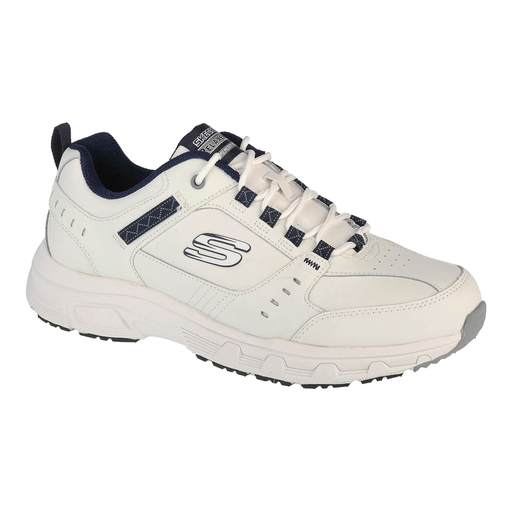
Why it suits this profile: This model is designed for walking and training, with a Relaxed Fit. It’s a good choice if you want to combine comfort and support with a sporty look.
The product description specifies a standard fit, a roomy shape, stabilising zones and a rubber outsole with tread. This makes it easier to judge whether they’re suitable for walking.
Memory foam insole, padded collar and tongue, flexible rubber outsole, and leather overlays at the toe and heel.

Why it suits this profile: This shoe is specifically designed for indoor football and futsal. Its features are therefore better suited to a sports floor than those of everyday men’s trainers.
The product information explicitly specifies indoor use, a non-marking rubber sole and a reinforced toe. This helps you avoid using a casual trainer for indoor football.
EVA insole, synthetic and textile upper, lace-up fastening, and a sole that, according to the product information, won’t leave marks on indoor surfaces.
We’ve put together a complete, up-to-date list of products that meet these strict selection criteria and the applicable European safety regulations.
Look for a standard or roomy fit, a flexible rubber sole, sufficient cushioning and an upper that suits the season. According to the product information, models such as the Skechers Oak Canyon Redwick combine a memory foam insole with a treaded sole. Also check that the width is right for your foot.
Measure your feet at the end of the day, when they’re often slightly larger. Compare your measurements with the model’s size chart and check the stated width. Fit can vary between brands, whether you’re looking at trainers in size 42, 44 or 45. Try on both shoes with the socks you normally wear.
How long they last depends on how you use them, your body weight, the surface, how well you care for them and whether you rotate between several pairs. Indoor football shoes should only be used on indoor floors. Let wet shoes air-dry naturally, follow the care label and replace them when the sole becomes visibly smooth, the heel no longer provides support or the upper starts to come away.
