
Vandaag of morgen in huis

Kwaliteit gegarandeerd

Welkomstaanbiedingen ontgrendelen: GRATIS bezorging | Tot 80% korting | Gratis 30 dagen JoyPlus-proefperiode
Download de app
Buying a new pair of men’s trainers seems simple, until you have to choose between retro, streetwear and running-inspired styles, colours and fits. Marketing terms such as “all-day comfort” or “lightweight” also don’t always tell you enough about how a shoe feels in everyday use.
So keep an eye out for these three common pitfalls:
The selection below is based on verifiable details such as materials, sole construction, fastening, sizing and care instructions. Any claims about comfort or performance come from the relevant product descriptions and are not presented here as guaranteed results.
Ideally, measure your foot at the end of the day, when your feet are slightly more swollen. Place your heel against a wall and measure to the tip of your longest toe. Then compare this length with the product chart.
For example, the adidas Run 70s 2.0 lists a foot length of 26.5 cm for EU 42. EU 44 2/3 is listed as 27.4 cm, while EU 44 is 28.0 cm. This difference shows why relying solely on your usual size can be risky.
Also consider the width:
The material affects a trainer’s appearance, care and breathability. Many men’s casual trainers combine leather or synthetic materials with textiles.
Don’t automatically put your trainers in the washing machine. The product information for the models mentioned recommends cleaning them with a soft, slightly damp cloth and letting them air dry. Don’t use bleach or harsh cleaning products.
Don’t focus on the word “comfort” alone. Check which materials are actually listed:
According to adidas and PUMA’s own product information, these constructions are designed to support comfort, flexibility or grip. Treat this as product information, not a guarantee for every wearer. For your daily commute, shopping or walks around town, a secure fastening, the right size and enough room for your toes are just as important as the name of the cushioning technology.
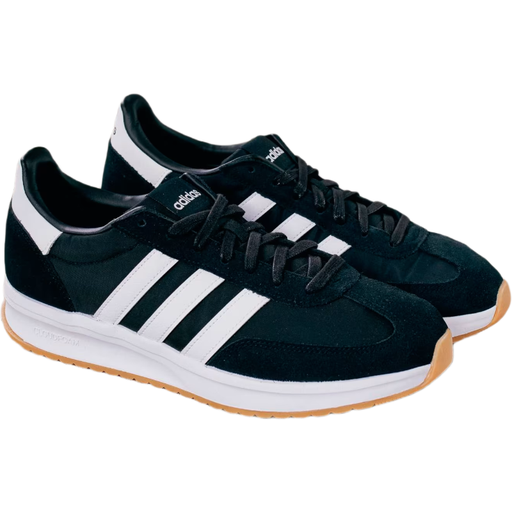
Why it suits this profile: The retro running-shoe look works well with jeans, chinos and simple streetwear. Its black-and-white colourway makes it a good first pair for everyday wear.
The product information lists the upper, textile lining, rubber outsole and specific EU sizes. This lets you check the materials and sizing rather than relying on marketing language alone.
Synthetic leather with textile, textile lining, rubber outsole and a choice of EU sizes.
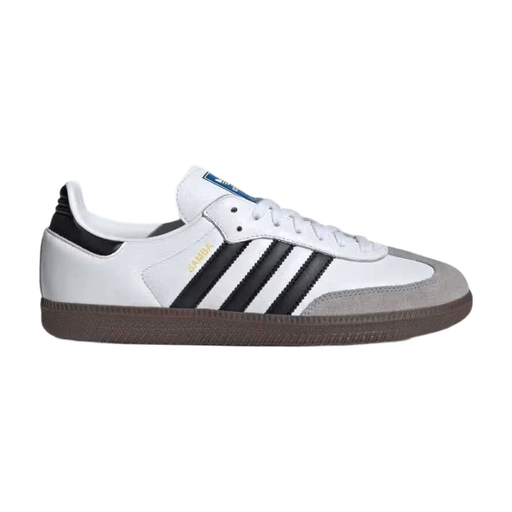
Why it suits this profile: If you’re after a distinctive retro style in leather and suede, this model works well with smart-casual outfits and streetwear.
The size chart lists foot lengths for each EU size and describes the fit as standard. The upper is specifically described as full-grain leather with suede overlays.
Leather upper, suede details, textile lining and rubber gum cupsole with lace-up fastening.
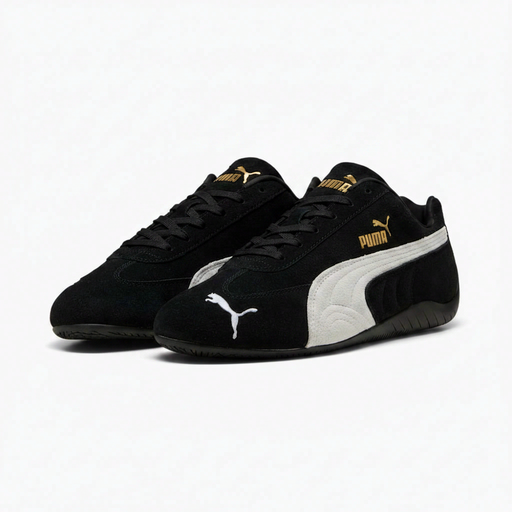
Why it suits this profile: Its low, streamlined shape is ideal if you like a sporty, motorsport-inspired look and slim-fitting casual outfits.
The product page lists a regular fit, rounded toe, EU sizing and material construction. Still, check whether the low-profile shape gives your feet enough room.
Leather upper, IMEVA midsole, rubber outsole and lace-up fastening.
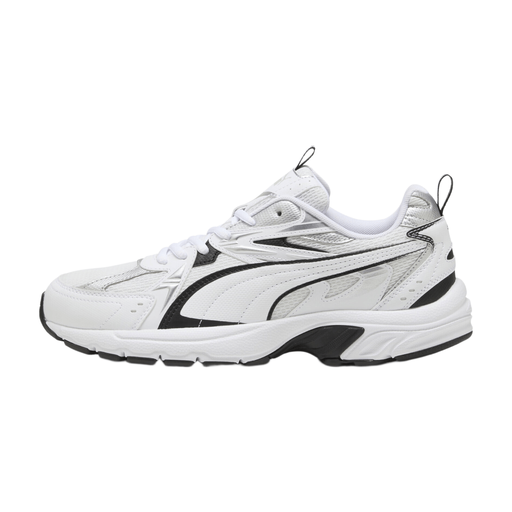
Why it suits this profile: The white-and-black colour combination and thicker sole work well with modern streetwear and everyday city outfits.
The product description gives the upper material percentages and lists the sole, lining, fit and care instructions. This means you can check the key details before buying.
Upper made from 78,60% synthetic material and 21,40% textile, SOFTFOAM+ insole and rubber outsole.
Use this quick checklist:
If you’re looking for adidas men’s trainers, Puma men’s trainers, white men’s trainers or black men’s trainers, a category page can be a useful way to compare colours, sizes and models.
We’ve put together a complete, up-to-date list of products that meet these strict selection criteria and the applicable European safety regulations.
Measure your foot in centimetres and compare it with the model’s size chart. Don’t rely only on the size of a previous pair, as fit can vary between brands and models. adidas sometimes uses half sizes such as 40 2/3 or 43 1/3.
How long they last depends on how often you wear them, the surfaces you walk on, your body weight, how well you care for them and the materials they’re made from. Worn tread, a sole that’s coming away or permanent distortion are signs that it may be time to replace your pair. Let trainers air dry and avoid the washing machine, bleach and direct heat.
Black men’s trainers usually work well with dark and neutral-coloured clothing. White men’s trainers add a lighter contrast and go well with denim, chinos and summer outfits. In either case, the material, sole shape and fit will determine whether the pair suits the way you plan to wear them.
