
Vandaag of morgen in huis

Kwaliteit gegarandeerd

Welkomstaanbiedingen ontgrendelen: GRATIS bezorging | Tot 80% korting | Gratis 30 dagen JoyPlus-proefperiode
Download de app
Whether you're exploring forest trails or preparing for a mountain race, the right footwear is the foundation of every great run. Switching from asphalt to unpaved terrain requires different gear. A standard running shoe doesn't offer the grip and protection you need on muddy paths, rocky surfaces, or steep inclines. This can lead to slips, discomfort, or even injuries.
This guide is designed to help you choose the right men's trail running shoes. We'll look at the specifications that matter, so you can find a model that matches your running style and the terrain you plan to conquer.
The search for the right shoe can be overwhelming. To get you started, we'll focus on three core aspects that make the difference between a good run and a great one on unpaved terrain.
The outsole is your point of contact with the ground. For off-road running shoes, a deep and aggressive tread (also known as 'lugs') is essential for grip on soft surfaces like mud and sand. The rubber compound determines the traction on wet rocks and tree roots. A shoe for technical terrain often has a 'stickier' rubber for maximum grip, while an all-around trail shoe features a more durable sole that also performs well on harder paths.
Unlike road running shoes, cushioning in trail shoes is not just about comfort, but also protection. Cushioned trail shoes absorb the impact of sharp rocks and uneven surfaces. The level of cushioning is a personal preference:
Stability is often achieved through a wider platform or a reinforced chassis in the midsole, which helps prevent ankle rolls on uneven terrain.
The upper of a trail shoe must protect your foot from branches, rocks, and other debris. Look for models with a reinforced toe cap and abrasion-resistant materials in strategic areas. At the same time, the material must be breathable to keep your feet dry and comfortable. A dense mesh weave prevents sand and small pebbles from entering the shoe.
Based on product specifications and their intended use, we have selected men's running shoes that excel in various disciplines, from paved roads to the most technical trails.
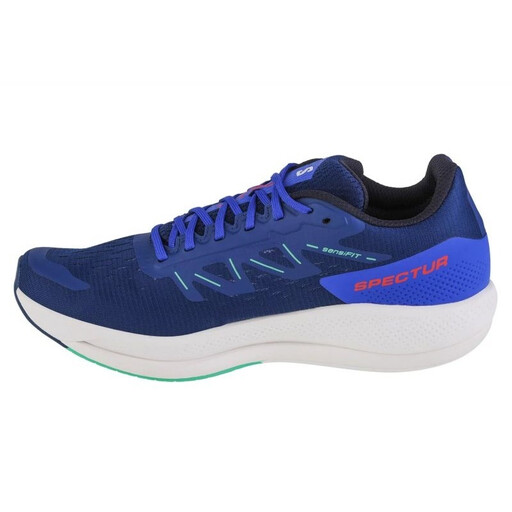
Why It Stands Out: The Salomon Spectur is designed for speed and comfort on asphalt. The midsole is made of Energy Surge foam, which Salomon claims provides responsive cushioning and energy return. The R.Camber rocker geometry promotes a smooth and efficient foot transition, which can help reduce fatigue during long-distance runs.
Advantages:
Who Is It For? This is an excellent choice for the runner who primarily trains on roads or other paved paths. If you're looking for a fast, comfortable shoe for daily training and races, the Spectur is a strong contender.
View the Salomon Spectur 415899_44
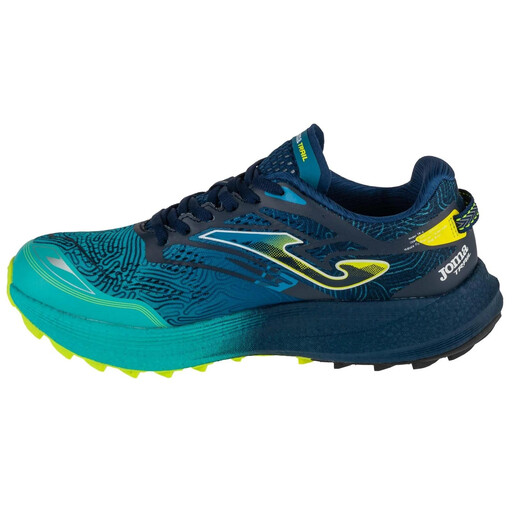
Why It Stands Out: The Joma TR-6000 is a versatile trail shoe that offers comfort and protection on varied terrain. The robust, high-traction outsole is designed for reliable grip on both wet and dry surfaces. The midsole provides advanced cushioning to absorb shock, while the reinforced toe and heel offer extra protection against rocks and debris.
Advantages:
Who Is It For? These Joma running shoes are ideal for the trail runner seeking a reliable all-rounder. Perfect for training in the woods, on heathland trails, and for adventurous off-road journeys where the surface constantly changes.
View the Joma TR-6000 Men 2517
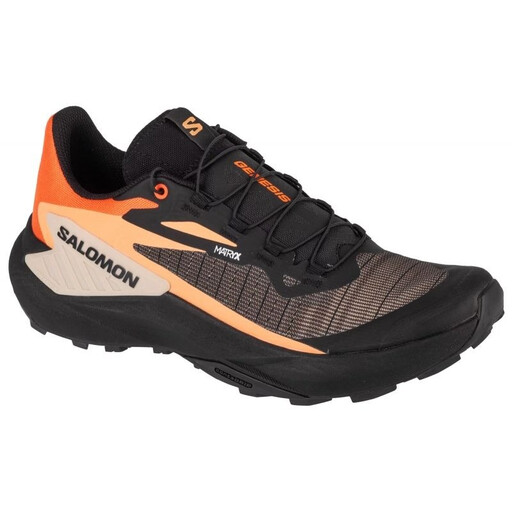
Why It Stands Out: The Salomon Genesis is built for the most demanding trails. This shoe combines stability with comfort thanks to the Active Chassis system, which supports the foot during technical descents. The Energy Foam midsole delivers soft, responsive cushioning for long distances. According to Salomon, the All Terrain Contagrip outsole is designed to provide excellent grip on a wide range of surfaces, from rocky to muddy.
Advantages:
Who Is It For? This is the shoe for the serious trail runner who ventures into mountainous and technical terrain. If you're looking for Salomon trail shoes that inspire confidence on the most challenging paths, the Genesis is a logical choice.
View the Salomon Genesis 475261_42
Besides running shoes, are you also looking for sturdy footwear for colder conditions? For winter hikes or daily use in low temperatures, a different type of shoe is required.
Check out our selection of the best men's winter boots for warm and robust options.
The main difference lies in three areas: the outsole, protection, and stability. Trail shoes have a more aggressive tread for grip on unpaved paths. They often feature a reinforced upper and a toe cap to protect your feet from rocks and branches. Finally, they are typically stiffer and more stable to support your foot on uneven terrain.
Yes, you can, but it's not ideal. The deep lugs of the outsole will wear down faster on asphalt and can feel uncomfortable. If you regularly run on both roads and trails, you might consider a 'hybrid' shoe with a less aggressive tread. However, for predominantly road use, a specific road running shoe is the better choice.
The choice of cushioning depends on the distance and personal preference. For long distances (ultra-trails), maximum cushioning offers more comfort and helps reduce the impact on your joints. For shorter, faster runs, or if you prefer a lot of 'ground feel', a shoe with less cushioning is more suitable. A moderate level of cushioning is a safe and versatile choice for most runners.
Sincerely,
Joybuy Product Recommendation Officer
