
Vandaag of morgen in huis

Kwaliteit gegarandeerd

Welkomstaanbiedingen ontgrendelen: GRATIS bezorging | Tot 80% korting | Gratis 30 dagen JoyPlus-proefperiode
Download de app
Whether you're sprinting across dunes, exploring a forest path, or powering over gravel roads, the right footwear is the foundation of every great run. On unpaved terrain, standard running shoes often lack the grip or protection you need. A misstep on a slippery root or a sharp stone can derail your training in an instant. This article serves as a comprehensive guide to help you choose the right men's trail running shoes, so you can tackle any terrain with confidence and comfort.
The market for off-road running shoes is vast. To make the right choice, it's helpful to focus on a few specific features that match your running style and the terrain you frequent.
The most distinctive feature of a trail shoe is its outsole. Unlike road shoes, trail shoes have an aggressive tread with lugs for grip on loose or slippery surfaces.
The degree of cushioning and stability is a personal trade-off.
Running shoes for unpaved trails must protect your feet. Look for a reinforced toe cap (toe bumper) to guard against rocks and branches, and an upper made of durable, quick-drying material. A waterproof membrane (like Gore-Tex) can be great in wet winters, but is less breathable in the summer.
Based on product specifications and their intended use, we have compiled a list of popular choices for you.
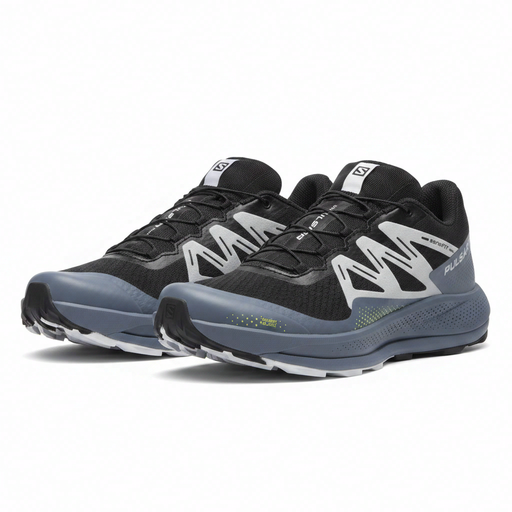
Why it stands out: The Salomon Pulsar Trail is designed with speed and responsiveness in mind. The combination of the Energy Foam midsole and the integrated Energy Blade technology is aimed at creating a dynamic ride with efficient energy return.
Key Features:
Who is it for? For the runner who trains 2 to 3 times a week and values speed on well-maintained forest paths and gravel roads. It is less suitable for extremely muddy or highly technical alpine trails.
View the Salomon Pulsar Trail 472100 on Joybuy
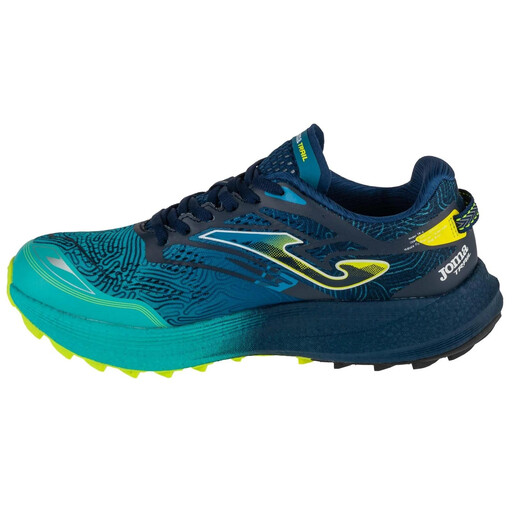
Why it stands out: The Joma TR-6000 positions itself as a versatile trail shoe that offers comfort and protection. The model is equipped with a robust outsole for grip and a cushioning system designed to absorb shock.
Key Features:
Who is it for? For the trail runner seeking a reliable all-rounder for both daily training and longer adventures on unpaved terrain. A great option if you're looking for a shoe that performs well on various types of terrain.
View the Joma TR-6000 Men 2517 on Joybuy
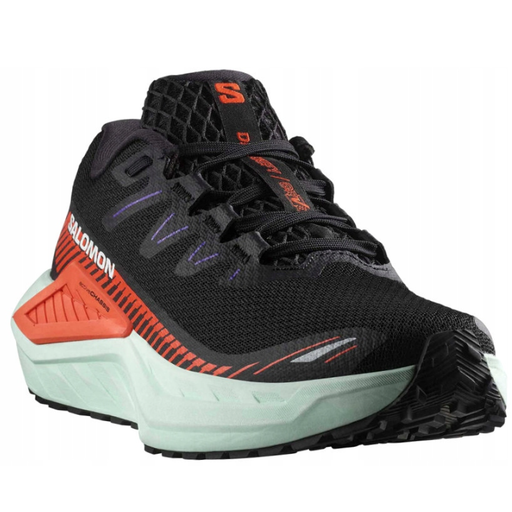
Why it stands out: As the name suggests, these gravel running shoes are specifically designed for stability on mixed terrain. Salomon's Active Chassis technology is the cornerstone of this model, intended to provide advanced support and control.
Key Features:
Who is it for? For the runner who frequently runs on gravel paths and hard-packed dirt roads and is looking for a stable trail shoe. If you find you could use extra support to combat fatigue, this model is worth considering.
View the Salomon DRX DEFY GRVL on Joybuy
The search for the perfect shoe is a personal journey. What works for one person may not be ideal for another. If the models above don't quite match what you're looking for, or if you're curious about other styles, we have more options for you.
Check out our selection of thick black running shoes for more options.
The main difference lies in three key areas: the outsole (more grip), the construction (more durable and protective against rocks and branches), and stability (designed for uneven terrain). A regular running shoe is made for a predictable, flat surface and wears out quickly on trails.
This depends on your personal preference, the type of terrain, and the distance. For long distances on hard surfaces, more cushioning is often more comfortable. For shorter, faster runs or on soft surfaces, some runners prefer less cushioning for better ground feel.
A general guideline is after 500 to 800 kilometres. However, pay close attention to the signs: if the lugs on the outsole are visibly worn, the cushioning feels 'flat' or compressed, or if you start to feel minor aches and pains you didn't have before, it's probably time for a new pair.
