
Vandaag of morgen in huis

Kwaliteit gegarandeerd

Welkomstaanbiedingen ontgrendelen: GRATIS bezorging | Tot 80% korting | Gratis 30 dagen JoyPlus-proefperiode
Download de app
Choosing a new item of clothing might seem straightforward, but with men’s T-shirts and sweatshirts, the differences often come down to the details. A shirt may look loose in a photo, yet fit closely in real life. A sweatshirt might feel soft in the shop, but become less comfortable after a few washes. Terms such as “premium cotton”, “performance” and “sustainable” only tell you so much unless you check the product specifications.
Use this practical guide to compare fit, fabric, sizing and care. That way, you can compare well-known brands with confidence and avoid a disappointing purchase.
A size L from one brand may fit differently from a size L from another. A slim-fit men’s T-shirt also has a different cut from a regular or oversized style. So don’t just look at the letter size: check the chest measurement and the stated fit too.
Some products include extra sizing advice. For example, the Calvin Klein Core Monologo Pocket Slim Tee is described as a generous fit. If you want a standard fit, you could consider sizing down. Always check the current size guide on the product page.
A men’s cotton T-shirt may be made entirely from cotton or from a cotton-polyester blend. 100% cotton often feels natural and breathable, while polyester can help the garment keep its shape and dry faster. Neither fabric composition is automatically right for every situation.
Check the fabric weight too, measured in gsm: grams per square metre. According to its product information, a The North Face shirt uses 160 gsm jersey. The Urban Classics Heavy Oversized Tee is listed as 240 gsm. A heavier fabric may feel more substantial, but it can also be warmer. So fabric weight alone doesn’t prove quality.
Shrinkage, fading and misshapen ribbing often result from incorrect care. Before you buy, check whether the garment is machine washable, what temperature to use and whether it can go in the tumble dryer. Several styles recommend air drying or advise against using a tumble dryer.
Under Regulation (EU) No 1007/2011, textile fibres must be listed on the label. Use this information to compare marketing claims with the actual fabric composition.
Choose according to how you’ll wear the garment:
A crew neck style, or men’s crew-neck T-shirt, is generally easy to wear with an overshirt, jacket or cardigan. For layering, a regular fit is often easier to wear than a very loose or close-fitting style.
Use your chest measurement as your main reference point. Measure horizontally around the fullest part of your chest and compare the result with the size guide. Also consider:
If you’re looking for men’s clothing in larger sizes, check whether sizes 2XL, 3XL or above are actually available. The size range varies by brand and style. For example, the Calvin Klein CK Essential Reg CN CK is available in XXXL; depending on the product, The North Face styles in this selection go up to 2XL or 3XL.
Check the finish too:
A bold logo can work well as the focus of an outfit, while a plain black, white or grey style is often easier to wear with other pieces.
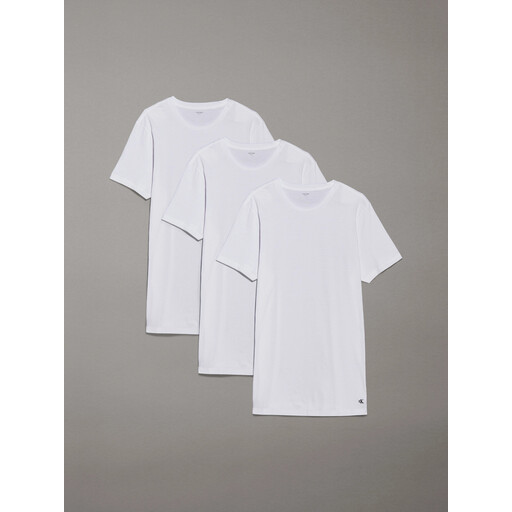
Why it suits this shopper: A pack of three white T-shirts is a practical choice for everyday wear, work, relaxing at home and layering. The regular fit and crew neck make this style versatile.
The fabric composition is clearly listed as 100% cotton. The care instructions recommend machine washing at 30°C and say not to tumble dry.
100% cotton, crew neck, regular fit, tagless design and three shirts in one pack.
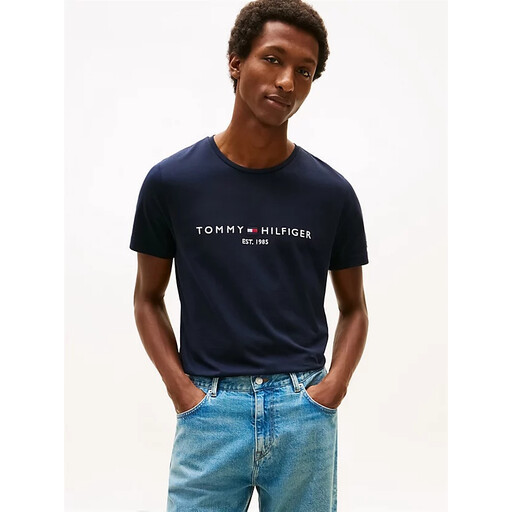
Why it suits this shopper: This style is a good choice if you want a recognisable brand detail with an understated fit for everyday wear, whether with jeans, chinos or under a jacket.
The product information lists 100% cotton, a regular fit and a ribbed crew neck. This means you can assess the fit without relying on the logo alone.
100% cotton, regular fit, rib-knit neckline and sizes from XS to 3XL according to the listed size guide.
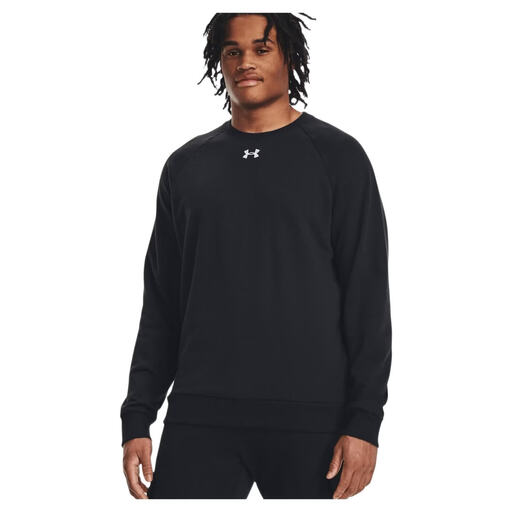
Why it suits this shopper: This crew-neck sweatshirt is designed for relaxing, layering and wearing on cooler days. Its brushed fleece lining is ideal if you’re looking for extra warmth without needing a heavy winter jacket.
The fabric composition is clearly stated: 78% cotton and 22% polyester. The product is also described as a generous fit, so you can take the sizing advice into account before ordering.
Brushed fleece, ribbed trims and a cotton-polyester blend. Available in several sizes, including S to XL.
For a looser silhouette, the Urban Classics Heavy Oversized Tee is worth considering: it’s 100% cotton, 240 gsm and available up to 4XL according to the product information. If you want something for light outdoor activities as well as casual wear, take a look at The North Face men’s T-shirts. The styles in this selection use 100% cotton and have a regular or relaxed fit.
For a blend of everyday wear and sporty styling, Reebok crew-neck T-shirts are an option, made from 60% cotton and 40% polyester. Always check the current size and care information for each variant. This way, you can compare not just branded men’s T-shirts, but also the features that matter for how you’ll wear them.
We’ve put together a full, up-to-date list of products that meet these strict selection criteria and the applicable European safety requirements.
Measure your chest and compare it with the size guide for the specific brand. Then check the fit: slim, regular, relaxed or oversized. A brand name alone isn’t a reliable guide to sizing.
Cotton can shrink when exposed to heat, but the amount varies depending on the fabric and finish. Follow the care label, wash at the stated temperature and avoid tumble drying if the label advises against it. If the label recommends it, let the shirt air dry.
A T-shirt is usually lighter and has short sleeves. A sweatshirt typically has long sleeves and a heavier fabric, often with a fleece lining. A men’s sweatshirt is therefore suitable for cooler days and layering, while a T-shirt is more versatile as a base layer.
