
Vandaag of morgen in huis

Kwaliteit gegarandeerd

Welkomstaanbiedingen ontgrendelen: GRATIS bezorging | Tot 80% korting | Gratis 30 dagen JoyPlus-proefperiode
Download de app
A new T-shirt seems like a simple purchase, until it loses its shape after a few washes, feels too warm during exercise or does not fit as expected at all. When choosing men’s T-shirts, it is therefore not just about colour or brand. The material, fit, care requirements and intended use determine whether a shirt remains comfortable at the gym, in the office or while out walking in the Netherlands.
Terms such as “dry”, “breathable” or “performance” sound clear, but the product information should also state which material has been used and how the shirt should be cared for. A polyester shirt may be suitable for exercise, while cotton is often more comfortable for everyday wear. The right choice depends on the situation.
The same applies to branded technologies: present claims as claims. According to Nike’s product information, Dri-FIT is designed to draw moisture away from the skin. This does not mean that every Nike Dri-FIT T-shirt will provide the same experience for every athlete.
A regular-fit T-shirt generally offers more room than a slim or athletic fit. A relaxed fit is looser still. So do not just look at S, M or L; also check the chest measurement, shoulder width and length. This is particularly important when ordering online, as size charts can vary between brands and models.
Also look out for conflicting information. For some items, the general description may list a different material composition from the product specifications. In that case, check the current product page and the care label.
A cotton men’s T-shirt often feels soft and works well with casual men’s clothing. However, it can retain moisture for longer during intense exercise. A quick-drying polyester or technical-blend men’s T-shirt is usually the more logical choice for fitness, football, running or travel when you want to reuse your clothing quickly.
Neither material is automatically suitable for every situation. A cotton shirt is not intended to replace a sports shirt, while a technical shirt may feel less comfortable for some people as an everyday basic.
Check the fibre percentage. Examples from the range include:
A breathable T-shirt does not depend on the fibre alone. The fabric’s weight, weave and fit also affect air circulation. A loose shirt may feel warmer than a lightweight technical shirt that sits closer to the body.
Preferably use your chest measurement as a starting point and compare it with the table on the product page. Then check the length and shoulder width. For layering, for example under a men’s jumper or men’s outdoor jacket, a little extra room can be practical.
A regular fit is a useful starting point for everyday wear. An athletic fit may feel comfortable during sport, but could be more restrictive when you wear the shirt under a jacket. A relaxed fit provides more freedom of movement and suits a loose, casual style.
Follow the care label and pay particular attention to:
Technical treatments may become less effective if the garment is washed incorrectly. For the PELLIOT model, for example, the care advice is to wash in cold water, do not bleach and do not tumble-dry. Natural drying is also often recommended for cotton models. A shirt that is easy to care for is better suited to frequent travel or intensive use.
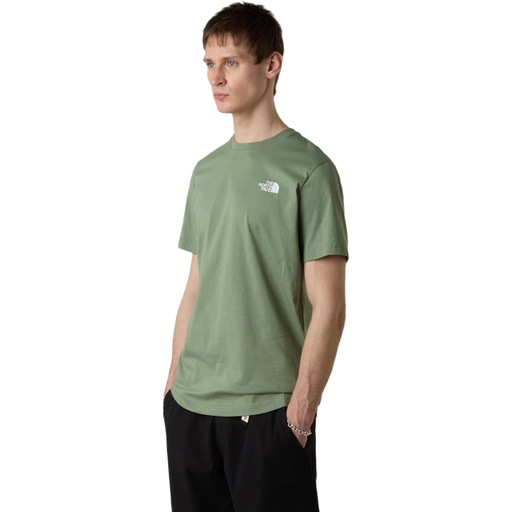
Why it suits this profile: This cotton men’s T-shirt has a classic crew neck, regular fit and a 100% cotton composition. This makes it suitable as an everyday shirt for errands, work and leisure.
The product specifications clearly state the material and fit. Do check the size chart, though, as a brand’s sizing is not universal.
100% cotton, crew neck, regular fit and suitable for everyday outfits.

Why it suits this profile: For football, fitness and everyday activity, this men’s sports T-shirt offers a regular fit and short sleeves. According to Nike, Dri-FIT is designed for moisture management.
The fit, sports category and care information are provided. Check the current material details, as the supplied product information lists different compositions.
Regular fit, short sleeves and a design for football and casual wear.
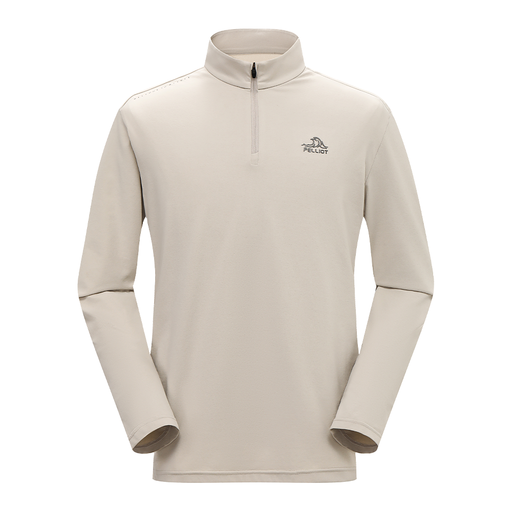
Why it suits this profile: This long-sleeved model is designed for camping, travel, walking and intensive activities. The product information mentions Toray material, STORMDRY technology and a size chart with chest and body measurements.
The size chart helps you avoid choosing a size that is too tight or too loose. According to the product information, quick drying and odour control are design claims; user experiences may vary.
Long sleeves, an extensive size range and care advice for machine washing.
A T-shirt is often enough for warm days and sport. In changeable weather, layering is more practical: combine a breathable T-shirt with a men’s jumper for extra warmth. In rain or wind, you may need a men’s outdoor jacket as the outer layer. Bear in mind the difference between a T-shirt for everyday wear and an outdoor layer that needs to protect you from rain and wind.
If you mainly enjoy walking, you can also browse the men’s walking tops category. You will find alternatives for different temperatures and activities.
We have put together a complete, up-to-date list of products that fully meet these strict selection criteria and the applicable European safety regulations.
For football, fitness and running, many users choose polyester or a technical blend, as these fabrics are often designed with moisture management and quick drying in mind, according to the product description. For quiet everyday wear, 100% cotton may feel more comfortable.
Measure your chest and compare it with the chart for the specific item. Also check the length and type of fit. A relaxed fit is looser than a regular fit. If you are planning to layer, a little extra room may be practical, but base your choice on the measurements provided in centimetres rather than just your usual letter size.
Its lifespan depends on how often it is worn, the material, the wash programme and drying method. Wash it at the recommended temperature, avoid bleach if it is not permitted and follow the advice regarding tumble-drying. A T-shirt that loses its shape or becomes thin has often been washed too intensively or worn too frequently in succession. Alternating between garments and following the care instructions correctly will help keep your clothes wearable for longer.
