
Vandaag of morgen in huis

Kwaliteit gegarandeerd

Welkomstaanbiedingen ontgrendelen: GRATIS bezorging | Tot 80% korting | Gratis 30 dagen JoyPlus-proefperiode
Download de app
A good T-shirt needs to do more than look neat in the product photo. The fabric may feel too warm in practice, the fit may come up smaller than expected, and a logo says little about comfort or care requirements. When comparing men’s T-shirts, the material, sizing and intended use are therefore particularly important.
The most common buying pitfalls:
Cotton generally feels soft and natural, making it well suited to casual wear. Also pay attention to the fabric weight, often expressed in gsm. For example, the Urban Classics Heavy Oversized Tee uses 240 gsm single jersey. This indicates a heavier fabric than a 160 or 180 gsm model, but in itself does not mean that the shirt will be warmer or more durable in every situation.
A cotton-polyester blend can be practical for active wear. The product information for the Nike Dri-FIT Park 20 Tee states 57% cotton and 43% polyester. The product description also lists Dri-FIT and moisture management among the model’s features. Treat such statements as information provided by the brand; your final choice should be based on the product specifications and intended use.
Do not rely solely on the fit label. One brand’s slim fit may be similar to another brand’s regular fit.
A men’s crew-neck T-shirt is easy to style and usually stays neatly in place under a jumper or jacket. A men’s V-neck T-shirt creates a more open neckline and can be suitable when you want a less enclosed look.
Also check the care label. Some models can be washed at 30°C and must not be tumble-dried. Other shirts specify washing at 40°C. Always follow the label for the garment in question. This helps limit shrinkage, colour loss and distortion without relying on general marketing claims.
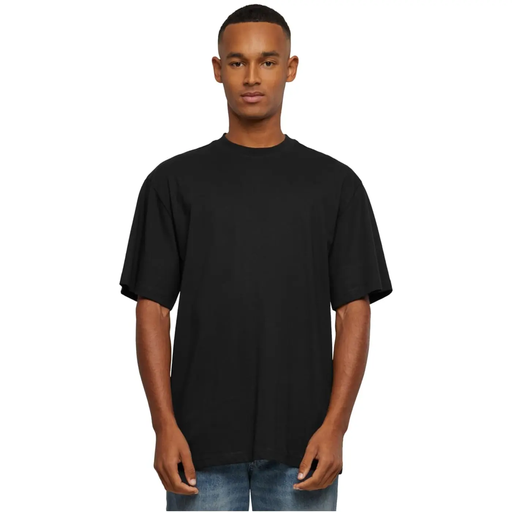
Why it suits this profile: A simple black T-shirt made from 100% cotton and weighing 180 gsm is easy to pair with jeans, shorts or a jacket.
The product information states the material, fabric weight and care instructions. This allows you to compare verifiable features rather than judging solely by appearance.
100% cotton, 180 gsm and a longer cut. Available in several sizes and colours within the same Tall Tee range.
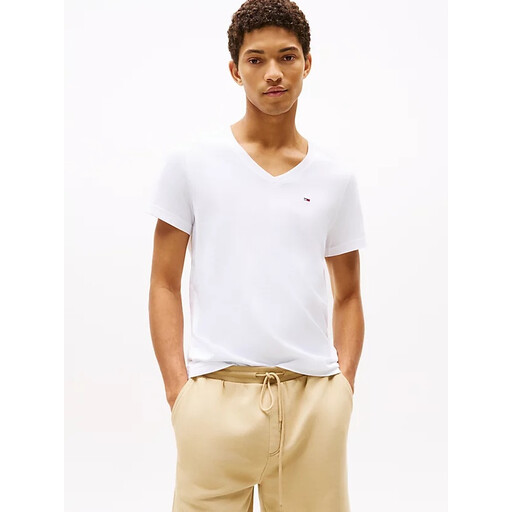
Why it suits this profile: According to the product information, this white V-neck model is made from 100% organic cotton and suits a polished, versatile wardrobe.
The size guide lists chest and sleeve measurements from XS to XXL. This helps you avoid a V-neck that is too tight or the wrong shoulder width.
V-neck, jersey fabric and 100% organic cotton according to the product details. Suitable for wearing on its own or under an overshirt.

Why it suits this profile: This men’s sports T-shirt is designed for football and active pursuits. The crew neck and regular fit also make it suitable for leisurewear.
The product details mention a cotton-polyester blend and a sports-focused construction. Always check the current composition on the product page.
Regular fit, short sleeves, crew neck and a composition of 57% cotton and 43% polyester according to the stated product details.
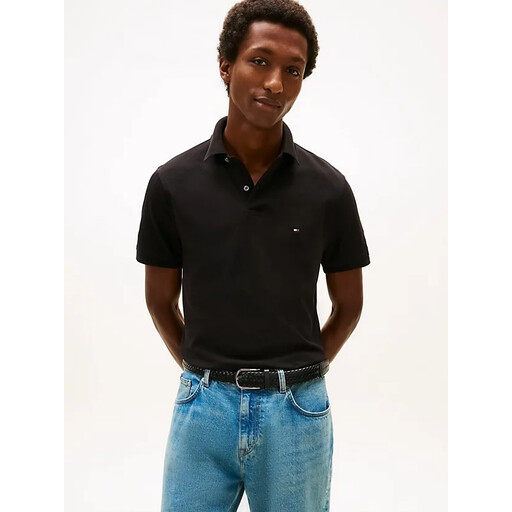
Why it suits this profile: A men’s polo shirt is a natural choice when a T-shirt feels too casual. This black model combines a regular fit with a piqué texture and a two-button fastening.
The regular fit prevents you from automatically choosing a close-fitting model when you need room to move. The size guide provides the chest measurement for each size.
100% cotton piqué according to the product information, regular fit, two-button fastening, and ribbed collar and cuffs.
We have put together a complete, up-to-date list of products that fully meet these strict selection criteria and the applicable European safety regulations.
A regular-fit men’s T-shirt usually offers a practical balance between freedom of movement and a polished appearance. Choose slim fit when you want a close-fitting shirt to wear under a jacket or shirt. An oversized model is better suited to a roomier streetwear look.
Its lifespan depends on the fabric weight, stitching, frequency of wear and care routine. Wash it according to the label, do not use bleach if this is not recommended, and avoid tumble-drying if instructed on the product label. A heavier fabric is not automatically more hard-wearing in every part of the shirt.
The cost per wash mainly depends on the washing temperature, drying method and how often you need to wash the shirt. A shirt that can be washed at a low temperature and line-dried will generally use less energy than clothing that is frequently washed at a high temperature and tumble-dried. Always check the specific care instructions.
