
Vandaag of morgen in huis

Kwaliteit gegarandeerd

Welkomstaanbiedingen ontgrendelen: GRATIS bezorging | Tot 80% korting | Gratis 30 dagen JoyPlus-proefperiode
Download de app
Choosing a new sweatshirt or hoodie seems straightforward, until you have to consider the fit, material, warmth and sizing. A style may look roomy in the photo but feel tight across the shoulders in real life. And a term such as “fleece” doesn’t automatically tell you how thick the fabric is or what it’s made from.
Use this practical guide to compare men’s sweatshirts and hoodies based on verifiable features. That way, you can avoid a disappointing purchase and find a style for everyday wear, sport, leisure or layering.
A product name may refer to wool, fleece or a “premium” fabric, while the material composition tells a different story. So always check the percentages of cotton, polyester or viscose. For example, the adidas Trefoil Essentials Crew Sweatshirt is described as warm and soft in the product information, but it’s made from 70% cotton and 30% recycled polyester.
Also look out for differences between styles. A cotton sweatshirt feels different from a men’s fleece sweatshirt. Cotton can feel comfortable and breathable, while polyester helps the garment retain its shape and makes it easier to care for.
A regular fit sweatshirt is usually less roomy than an oversized hoodie. A looser fit gives you space for a T-shirt or thermal layer, but may feel less streamlined when cycling or training. So don’t just look at S, M, L or XL. Check:
International sizing may show EU, UK, US and Japanese size codes side by side. Compare the measurements in centimetres with a sweatshirt you already own that fits you well.
A warm hoodie isn’t always the best choice for high-intensity exercise. A thick fabric, such as the 460 g/m² fabric used for the Urban Classics Ultra Heavy Hoody, feels substantial and is suitable for colder days. For training or indoor wear, a lighter fleece style may be more practical.
Also consider details such as an adjustable hood, kangaroo pocket, ribbed cuffs and hem, and a zip. These features have more impact on everyday wear than a prominent logo.
Check the exact material composition rather than relying on the product title alone. Here are a few examples from the range:
A higher fabric weight can add structure and warmth, but may also feel heavier. Choose according to how you’ll wear it: commuting, relaxing at home, walking or exercising.
For everyday wear, ribbed cuffs and a ribbed hem help keep the fit in place. A kangaroo pocket gives you room for small essentials and somewhere to warm your hands. For a sporty hoodie, an adjustable hood and moisture-wicking product technology may be useful. According to Nike’s own product information, the Team Park 20 Hoodie features Dri-FIT technology for moisture management. Treat this as a brand specification, not a universal guarantee for every wearer.
Before buying, check that the care requirements suit your routine. Many fleece and cotton styles should be washed at a low temperature, with a mild detergent, and dried carefully. Keep the following in mind:
The EU legal guarantee is separate from normal wear and tear or damage caused by incorrect care. So keep your proof of purchase and follow the recommended washing instructions.

Why it suits this profile: This crew-neck sweatshirt is easy to pair with jeans, chinos or joggers, and its regular fit makes it ideal for everyday wear.
The composition is clearly stated: 70% cotton and 30% recycled polyester. Chest-width measurements and several sizes are also available.
Regular fit, embroidered Trefoil logo, and ribbed neckline, cuffs and hem.
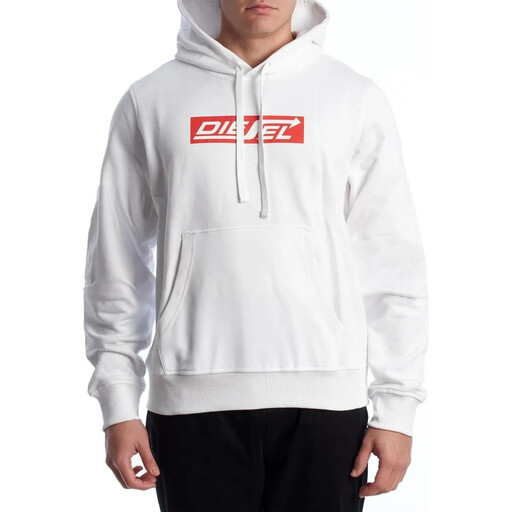
Why it suits this profile: This minimalist white men’s hoodie suits a pared-back casual wardrobe and is easy to pair with denim, shorts or joggers.
The product information gives a specific composition of 100% cotton, rather than relying on a vague quality claim.
100% cotton, ribbed cuffs and hem, and a subtle DIESEL logo.
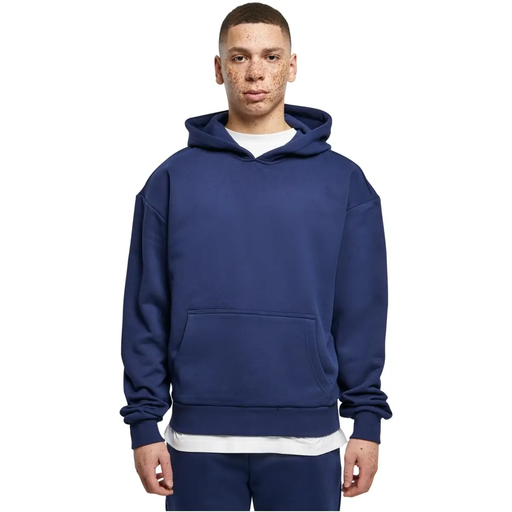
Why it suits this profile: This heavyweight oversized hoodie is designed for fans of a roomy streetwear fit and a more structured fabric.
The weight of 460 g/m² and the oversized fit are clearly stated. So you know this isn’t a lightweight hoodie for warm indoor spaces.
100% cotton, heavyweight fabric, hood and kangaroo pocket.
We’ve put together a complete, up-to-date list of products that meet these strict selection criteria and current European safety regulations.
A cotton blend is often a practical choice for everyday wear: cotton offers comfort, while polyester can help the garment retain its shape and make it easier to care for. For extra warmth, look for fleece or a higher fabric weight. Always check the exact composition and care label.
Choose a regular fit if you want a neat look for layering under a jacket or gilet. An oversized hoodie gives you more room and a more distinctive casual look, but it may be longer and have roomier sleeves. Compare the chest width and length with a garment you already own.
Its lifespan depends on how often you wear it, friction, washing and drying. Wash it at the temperature stated on the label, use a mild detergent and avoid high drying temperatures. A sweatshirt with sturdy ribbing and a good fit will generally keep its shape more easily than one that’s constantly stretched tight.
