
Vandaag of morgen in huis

Kwaliteit gegarandeerd

Welkomstaanbiedingen ontgrendelen: GRATIS bezorging | Tot 80% korting | Gratis 30 dagen JoyPlus-proefperiode
Download de app
A sweatshirt or hoodie may seem like a straightforward purchase, but small differences can have a big impact on how comfortable it is to wear. A heavyweight fabric can feel uncomfortable when you’re moving around, a roomy hood can get in the way, and the wrong fit may look different after washing than you expected.
When buying men’s sweatshirts and hoodies, these are some of the most common pitfalls to avoid:
A cotton hoodie often feels natural, while polyester can help make a garment more durable and quicker to dry. A blend can therefore be a practical choice for everyday wear. Always check the exact percentages on the product page.
According to the product information, the adidas Trefoil Essentials Crew Sweatshirt is made from 70% cotton and 30% recycled polyester. The Under Armour fleece crew lists 80% cotton and 20% polyester. These are verifiable fabric compositions, but they don’t tell you everything about how a garment feels to wear.
Pay attention to the construction too:
A men’s sweatshirt in a regular fit usually falls straight against the body. It works well on its own or layered under a coat. A relaxed-fit hoodie has more room around the chest and shoulders, making it a good choice for layering or a casual outfit.
When checking the size guide, look beyond S, M, L or XL. Where available, check:
An oversized hoodie is meant to fit loosely. If you just want a little more room to move, choose a relaxed-fit style in your usual size rather than automatically sizing up.
Ribbed trims at the neck, cuffs and hem help keep a garment in place. A drawstring hood lets you adjust the fit, while a kangaroo pocket is handy for keeping your hands warm or carrying small items.
For light training, a sports sweatshirt with plenty of room to move can be comfortable. For commuting or leisure, warmth, layering comfort and a neutral colour are often more important than extra sports features. A men’s fleece hoodie is a particularly good option if you want to stay warm without reaching for a thick coat.
Check the care instructions too. Some styles should be washed inside out at a maximum of 30 or 40 degrees, tumble dried at a low temperature or not tumble dried at all. Always follow the sewn-in care label if it differs from the online product description.
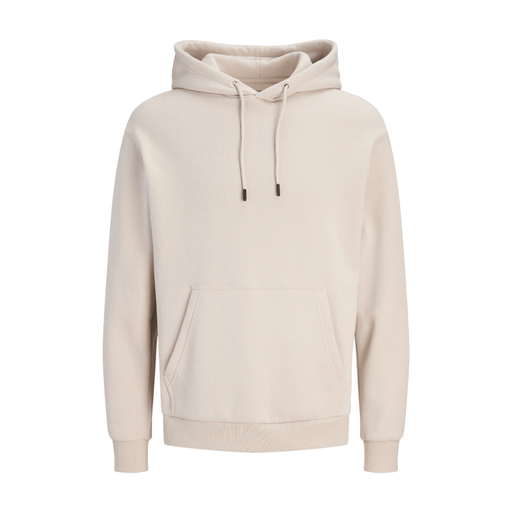
Why it suits this profile: This casual hoodie is designed for everyday wear, weekend outfits and layering. Its relaxed fit gives you extra room without needing to choose an oversized style.
The product information specifies loop-back fleece, a relaxed fit and clear care instructions. That means you don’t have to rely on general marketing claims such as “warm” or “soft”.
58% Traceable Better Cotton and 42% recycled polyester; a hood and kangaroo pocket for practical everyday wear.
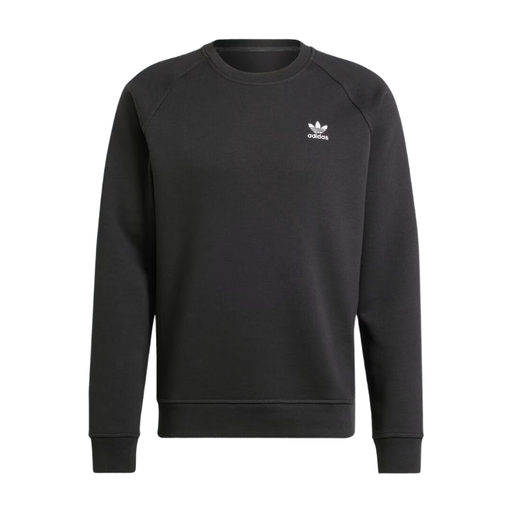
Why it suits this profile: A practical choice if you’re looking for a branded sweatshirt with a recognisable logo and a regular fit for everyday wear.
The specifications list the fabric blend, ribbed trims and regular fit. This lets you check the fit and composition before you order.
70% cotton and 30% recycled polyester; fleece construction, an embroidered Trefoil logo and ribbed neck, cuffs and hem.
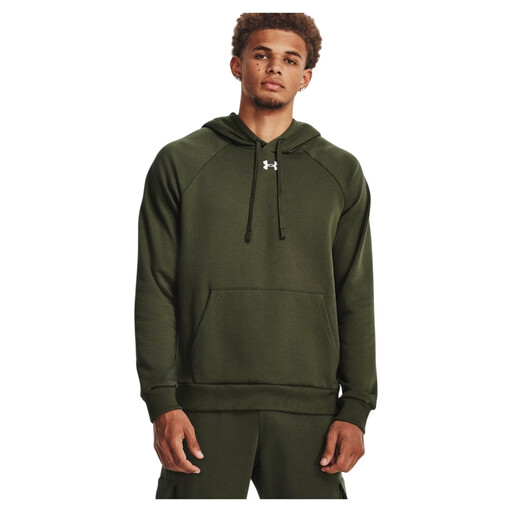
Why it suits this profile: The fleece, adjustable hood and kangaroo pocket make this a good choice for light training, warm-ups and everyday wear in cool weather.
The description mentions a brushed inside, ribbed trims and low-temperature care. That gives you more to go on than a vague claim about warmth.
80% cotton and 20% polyester; a drawstring hood and roomy kangaroo pocket.
We’ve put together a complete, up-to-date list of products that meet these strict selection criteria and the applicable European safety regulations.
It depends on the style. A regular fit should sit comfortably against your body without feeling tight. A relaxed fit gives you more room around the chest and shoulders. Always check the size guide and compare the chest measurements with a sweatshirt you already find comfortable.
Its lifespan depends on the fabric, how often you wear it and how you care for it. Wash it inside out, follow the temperature on the care label and limit tumble drying if it’s not recommended. You can also avoid washing it after every short wear if it’s still fresh. This helps prevent unnecessary wear and colour loss.
The costs aren’t just about the initial purchase; washing and drying play a part too. A hoodie that can be washed at 30 or 40 degrees and line dried will generally use less energy than one that often goes in the tumble dryer at a high temperature. So check the care instructions before you order.
