
Vandaag of morgen in huis

Kwaliteit gegarandeerd

Welkomstaanbiedingen ontgrendelen: GRATIS bezorging | Tot 80% korting | Gratis 30 dagen JoyPlus-proefperiode
Download de app
Ordering a new item of clothing seems straightforward – until your hoodie turns out to be too short, your sweatshirt loses its shape after a few washes or the fabric is much warmer than you expected. When choosing men's sweatshirts and hoodies, it’s not just about the brand and colour. Material, fit, weight and care all help determine whether a garment is right for everyday wear, sport or streetwear.
A size L won’t be the same across every brand or style. A regular fit, relaxed fit and oversized style can all fit very differently in the same size. So always check the chest width, length and size guide for the specific product.
Terms such as “heavyweight”, “premium” or “extra warm” don’t tell you much without measurable details. A fabric weight of 330 g/m², for example, gives you a clearer idea than a general claim about thickness. The fibre composition matters too: 100% cotton feels different from a cotton and polyester blend.
A cotton sweatshirt can shrink at high temperatures. A fleece hoodie may lose its soft lining more quickly if it’s dried incorrectly. Check the care instructions before buying, and make sure you know whether the garment is tumble-dryer safe.
For a cotton sweatshirt or men's sweatshirt, the fabric composition is a practical place to start. Cotton generally feels soft, while polyester can help the garment keep its shape and dry faster. The selected adidas Trefoil styles are made from 70% cotton and 30% recycled polyester. That’s verifiable product information, but it doesn’t automatically mean the garment will feel equally warm or comfortable to everyone.
Fabric weight is measured in g/m². According to the product information, the Urban Classics Fluffy Hoody has a fabric weight of 330 g/m². The Ultra Heavy Hoody is listed at 460 g/m² and is made from 100% cotton. A heavier fabric can provide more structure, but may be less suitable for intense training or warm indoor spaces.
If you’re looking for an oversized men's hoodie, don’t simply order a size up. This could leave you with sleeves that are too long or an awkward shoulder line. Instead, choose a style specifically described as oversized and compare the measurements.
A crew-neck sweatshirt is easy to pair with a T-shirt or jacket. A hoodie provides extra coverage around your neck and head. A men's zip-up hoodie is handy if you want to take it on and off quickly or wear it over several layers.
Also look out for details such as:
Moisture management may be important for training. According to Nike's product information, the Team Park 20 Hoodie uses the brand's Dri-FIT technology for moisture management. This is a claim from Nike's product information, not a general guarantee that you’ll stay dry or comfortable in all conditions.

Why it suits this profile: This grey sweatshirt has a regular fit and crew neck. It’s an accessible choice for everyday outfits, studying, relaxing at home and informal plans.
The product information specifies a regular fit, a fabric composition of 70% cotton and 30% recycled polyester, and care instructions.
Grey colour, embroidered Trefoil logo, ribbed neck, cuffs and hem.
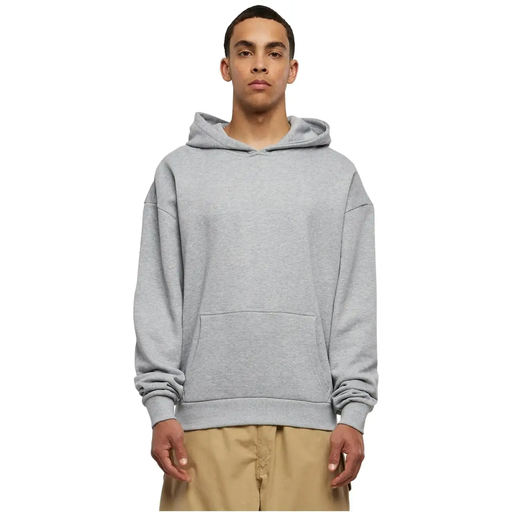
Why it suits this profile: This style is aimed at anyone looking for a heavyweight, relaxed streetwear hoodie for everyday wear and cold days.
The fabric weight of 460 g/m² and 100% cotton composition make it clear that this isn’t a lightweight training layer.
Oversized fit, dropped shoulders, extra-long sleeves and a kangaroo pocket.
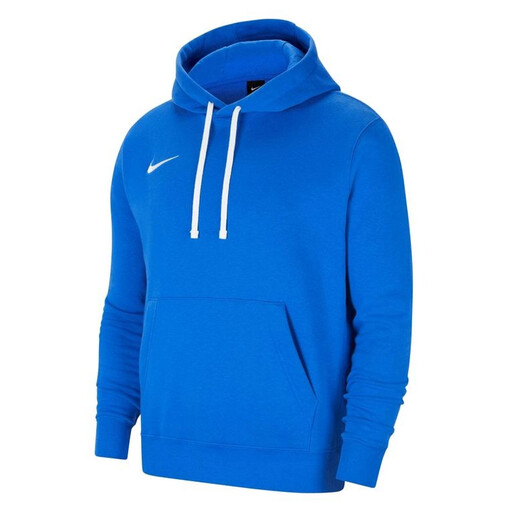
Why it suits this profile: The hood, kangaroo pocket and ribbed trims make it a good fit for training, team sports and sporty casual wear.
The adjustable hood, ribbed trims and stated moisture management technology offer more detail than a general claim about sports use.
Obsidian colour, adjustable hood, front pocket, and ribbed cuffs and hem.
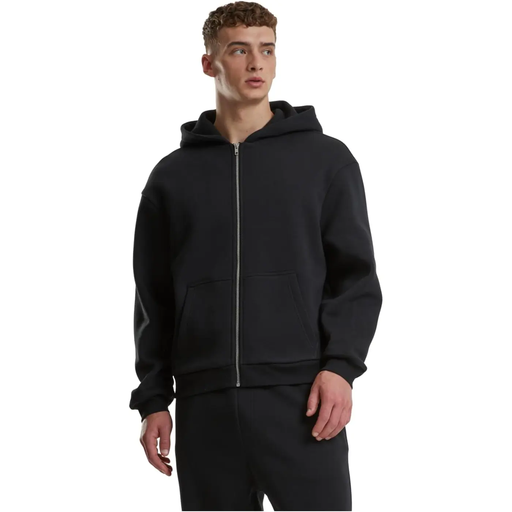
Why it suits this profile: The full-length zip makes this style easy to wear over a T-shirt or light jacket. The black colour pairs effortlessly with jeans, joggers and trainers.
The product information specifies a full-length zip, a drawstring hood, side pockets and a regular fit.
70% cotton and 30% polyester, brushed lining and an adjustable hood.
We’ve put together a complete, up-to-date list of products that meet these strict selection criteria and the applicable European safety regulations.
Wash sweatshirts and hoodies according to the care label. Many styles should be washed at a low temperature, with a mild detergent and inside out. Wash dark colours separately and avoid bleach unless the care label says it’s suitable. If the label recommends it, air-dry a cotton hoodie. After washing, check the shape of the cuffs and zip before putting the garment away.
A sweatshirt usually has a crew neck and no hood. A hoodie has a hood and often a front pocket. Both can be made from cotton, fleece or a cotton blend. Choose according to the coverage you want and when you plan to wear it.
That depends on the style and the activity. Fleece can feel warm during low-intensity activities, but for intense training, a lightweight fabric with clear moisture management information is often more practical. Also check the fit and freedom of movement.
Follow the care label, avoid unnecessarily high temperatures and only tumble-dry the garment if the instructions allow it. If you’re unsure about sizing, measure a hoodie that fits you well and compare its measurements with the size guide for the new style.
