
Vandaag of morgen in huis

Kwaliteit gegarandeerd

Welkomstaanbiedingen ontgrendelen: GRATIS bezorging | Tot 80% korting | Gratis 30 dagen JoyPlus-proefperiode
Download de app
Choosing a men’s sweatshirt or hoodie may seem straightforward. Yet many online shoppers fall into the same traps: a soft-looking photo reveals little about the fabric, a relaxed fit turns out to be much roomier than expected, and a popular logo cannot make up for an unclear size chart. This practical guide helps you compare men’s sweatshirts and hoodies based on verifiable specifications, so you can shop with greater confidence for everyday wear, sports or streetwear.
Terms such as warm, premium fleece or extra comfortable are not always backed by technical specifications. Always check the material composition and, where available, the fabric weight in g/m². For example, an Urban Classics hoodie with a fabric weight of 330 g/m² tells you considerably more about the fabric thickness than the description “soft” alone.
Also pay attention to the difference between a fleece lining, a brushed interior and standard jersey fabric. A warm men’s fleece hoodie is particularly suitable for cold days or as an additional layer beneath a jacket. For high-intensity training, a lighter cotton blend may feel more comfortable.
An M is not the same across every brand. A regular-fit, relaxed-fit and oversized men’s hoodie will sit differently around the shoulders, chest and waist. Always check the chest measurement in centimetres and compare it with a garment that already fits you well.
An oversized style with dropped shoulders and extra-long sleeves is designed to fit more generously. If you are looking for a standard fit, do not automatically size up in such a model. With a hooded sweatshirt, room around the neckline also matters: a hood that is too small can pull the front of the garment upwards.
Cotton feels comfortable, but it can shrink or lose its shape if washed or dried at too high a temperature. Polyester often helps with shape retention, but the exact properties depend on the construction and finish. Check the care instructions before buying, particularly if you plan to wear the garment frequently.
Several adidas Trefoil sweatshirts recommend washing on a delicate cycle, turning the garment inside out and drying it carefully. Washing dark colours separately and avoiding direct ironing over the logo will help preserve the colour and decoration for longer.
A cotton men’s sweatshirt is generally soft and comfortable to wear at home, on the go or during low-intensity activities. A cotton-polyester blend may dry faster and help the garment retain its shape. Look at the actual ratio rather than relying on the word “cotton” alone.
Examples from the collection:
These percentages make comparison easier, but they do not guarantee a particular wearing experience. The product page and care label remain the definitive sources.
A higher fabric weight, such as the stated 330 g/m² for certain Urban Classics models or 460 g/m² for the Ultra Heavy Hoody, indicates a heavier fabric. This can feel comfortable on winter days, but a heavyweight sweatshirt will feel less breathable during sport.
A brushed or fleece interior can provide an especially soft feel. The U.S. Polo Assn. Fleece Sweatshirt is described as having a thick fleece lining combined with a cotton-polyester blend. This model also features an adjustable hood, kangaroo pocket, elasticated waistband and ribbed cuffs.
For everyday wear, choose between a crew neck and a hooded style. A crew sweatshirt is easy to layer beneath a jacket. A hoodie provides additional coverage in windy conditions and often includes a practical kangaroo pocket.
Also check:
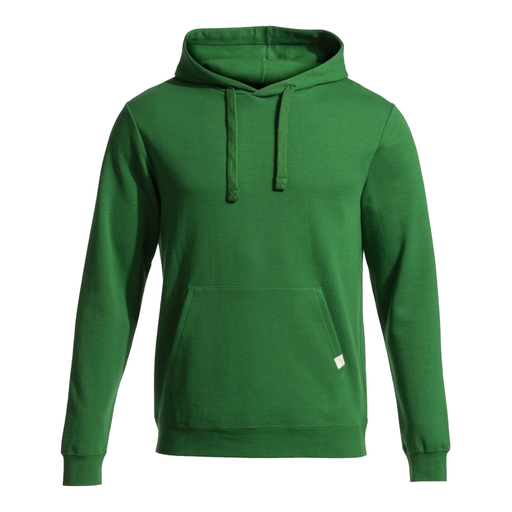
Why it’s a good match: A practical, sporty hoodie for training, walking and casual menswear. The regular fit works well for everyday activity.
The product information specifies a composition of 60% cotton and 40% polyester, plus an adjustable hood, cuffs and waistband.
Kangaroo pocket, embroidered logo and machine washable at up to 30°C according to the product information.
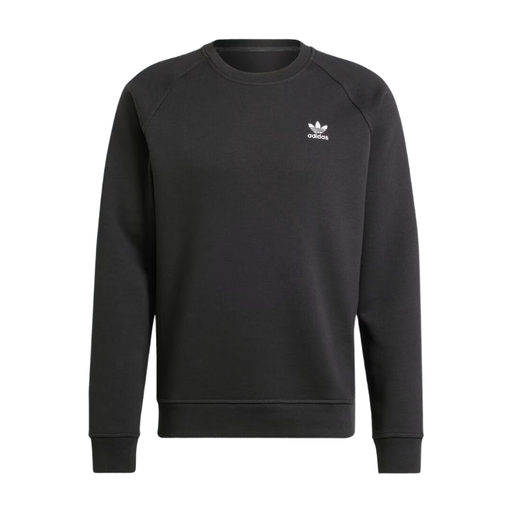
Why it’s a good match: A crew sweatshirt for anyone who wants to combine sporty details with jeans, sneakers or a jacket.
The product description lists a regular fit, ribbed trims and a composition of 70% cotton and 30% recycled polyester.
Black finish, embroidered Trefoil logo and multiple size options, depending on the product page selected.
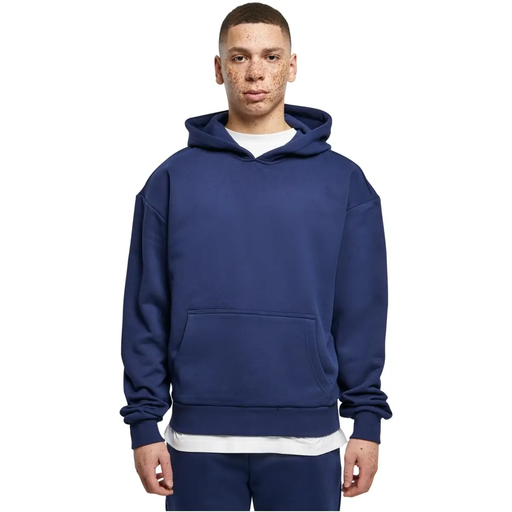
Why it’s a good match: Designed for streetwear and cold days when a heavier fabric and oversized silhouette are preferred.
The product page specifies 100% cotton and a fabric weight of 460 g/m², so the choice is based on more than marketing language alone.
Oversized hooded style with a kangaroo pocket; allow for extra volume and longer sleeves.
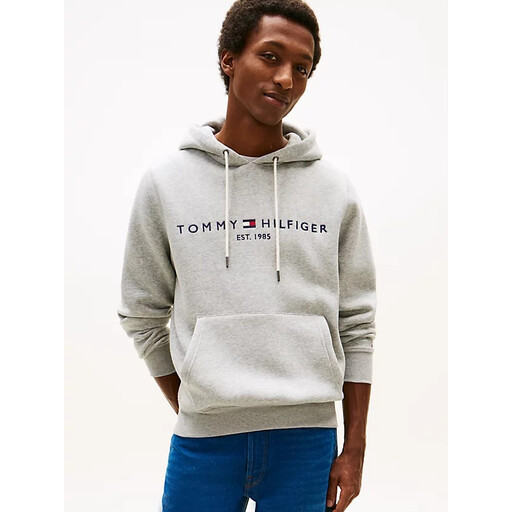
Why it’s a good match: A grey hoodie for weekends, commuting and casual outfits. The relaxed regular fit works well for layering.
The size chart provides chest, waist, sleeve and neck measurements from XS to 3XL. This makes choosing more accurate than relying on S, M or L alone.
The product information specifies a blend of 72% cotton and 28% polyester, an adjustable hood and a kangaroo pocket.
Browse a current selection of men’s sweatshirts for sport, training and everyday wear, with filters for brand, size, colour and style.
Wash a hoodie or sweatshirt according to the care label and, preferably, turn the garment inside out first. Do not use bleach on dark or printed styles. Allow the garment to air-dry when recommended in the product information. Excessive drying heat can affect shrinkage, cuffs and overall fit.
With a sporty hoodie, also pay attention to the care of any functional finishes. Nike Team Park 20 models include specific instructions for washing, drying and ironing. According to the product description, following these instructions helps preserve the garment’s finish; this is not a guarantee of a fixed service life.
A sweatshirt usually has a crew neck without a hood. A hoodie has a hood and often a kangaroo pocket or drawstring. A sweatshirt is generally easier to layer beneath a jacket; in windy conditions or when you want extra coverage, a hoodie may be more practical.
Look for a fleece or brushed interior, the cotton-polyester ratio and the fabric weight. A heavier fabric may feel warmer, but it is not automatically suitable for training. For sport, choose a style with a lighter construction; for leisure, a thicker model may be preferable if it suits your needs.
Lay a well-fitting sweatshirt flat and measure it across the chest, then compare that measurement with the size chart on the product page. Also check whether the model has a regular, relaxed or oversized fit. If you are unsure about a roomy style, sizing up is usually unnecessary; first review the stated chest width and sleeve length.
